Pacific Northwest Hospitality Industry
The Pacific Northwest Hospitality Industry: Trends, Opportunities & Boutique Hotel Management

The Pacific Northwest Hospitality Industry: Trends, Opportunities & Boutique Hotel Management
The Pacific Northwest has become one of the United States' most dynamic hotel markets, offering a unique combination of year-round tourism, diverse traveler segments, and expanding investment opportunities. This evolving hotel market benefits from balanced demand across leisure, business, and experiential travel, making the region increasingly attractive for hospitality development.
For hospitality investors, understanding where travelers are going, why they are traveling, and how visitor spending moves throughout the region is just as important as understanding hotel operations. Travel patterns directly influence occupancy, average daily rate (ADR), Revenue per Available Room (RevPAR), and long-term asset performance. As traveler preferences continue evolving,
boutique hotels supported by strategic hotel management are increasingly positioned to capture growing demand through authentic experiences, operational excellence, and strong market positioning.
Why the Pacific Northwest Hospitality Market Continues to Attract Investment
Successful hotel investments begin with market fundamentals. The Pacific Northwest benefits from a diversified tourism economy that reduces dependence on a single visitor segment while supporting consistent demand across multiple destinations. Instead of relying solely on seasonal tourism, the region attracts leisure travelers, business professionals, outdoor enthusiasts, cruise passengers, wine tourists, and event attendees throughout much of the year.
This diversity creates opportunities across urban centers, coastal communities, mountain destinations, and emerging tourism markets. Investors evaluating hotel opportunities often look beyond visitor numbers to understand how travel demand translates into occupancy, ADR, RevPAR, and long-term revenue potential. Markets supported by multiple demand drivers generally provide greater resilience during economic shifts and changing travel patterns.
Travel Trends Driving Hospitality Demand Across the Pacific Northwest
Understanding the movement of travelers is essential because it reveals where hospitality demand continues to grow. Each travel segment generates spending across accommodations, restaurants, attractions, transportation, and local businesses, creating opportunities for hotels that align their services with evolving visitor preferences.
Outdoor Adventure Tourism
Outdoor recreation remains one of the Pacific Northwest's strongest hospitality drivers. Travelers continue visiting destinations such as the Columbia River Gorge, Mount Hood, Olympic National Park, Mount Rainier National Park, and North Cascades National Park for hiking, skiing, kayaking, fishing, mountain biking, and year-round adventure experiences. Many visitors extend their trips by exploring multiple destinations, increasing overnight stays and overall visitor spending.
For investors, outdoor recreation creates demand for boutique hotels that offer more than accommodations. Properties that provide curated adventure experiences, wellness amenities, local partnerships, and convenient access to recreation are well positioned to capture travelers seeking immersive destination experiences rather than traditional hotel stays.
Beach Tourism Along the Oregon Coast
Beach tourism remains one of Oregon's most established travel markets, attracting families, couples, and weekend visitors seeking scenic coastlines, oceanfront recreation, fresh seafood, and relaxed coastal communities. Travelers frequently spend several days exploring beaches, local restaurants, galleries, boutique shopping districts, and nearby attractions, generating consistent demand for hospitality businesses during peak travel periods.
For hotel investors, beach tourism supports opportunities for boutique accommodations that emphasize personalized service, walkable locations, and authentic coastal experiences. Hotels that integrate local dining partnerships and destination-focused guest experiences often strengthen their competitive position while encouraging repeat visitation.
Coastal Tourism Beyond the Beach
Coastal tourism extends well beyond beach vacations. Throughout the Pacific Northwest, visitors travel for boating, sailing, fishing, whale watching, kayaking, marina activities, waterfront dining, and scenic harbor communities. These experiences attract diverse traveler segments while supporting charter operators, restaurants, retailers, and hotels across coastal destinations.
Unlike traditional beach tourism, coastal travel often attracts visitors throughout multiple seasons, creating more diversified hospitality demand. For investors, this broader visitor base presents opportunities for boutique hotels positioned near marinas, waterfront districts, and outdoor recreation while serving multiple traveler segments throughout the year.
Wine and Culinary Tourism
Food and beverage experiences have become major travel motivators across the Pacific Northwest. The Willamette Valley's wineries, regional breweries, coffee culture, seafood, and farm-to-table restaurants encourage travelers to plan multi-day itineraries centered around culinary discovery rather than a single attraction. This trend continues strengthening hospitality markets by increasing overnight stays and visitor spending.
For boutique hotels, culinary tourism presents opportunities to collaborate with wineries, chefs, breweries, and local producers to create memorable guest experiences. These partnerships help properties differentiate themselves while supporting the broader hospitality economy through locally inspired experiences and destination-focused programming.
Rodeo and Western Heritage Tourism
While often associated with outdoor recreation and coastal travel, the Pacific Northwest also benefits from strong western heritage tourism. Rodeos, county fairs, agricultural festivals, and equestrian events continue attracting visitors throughout eastern Oregon and Washington, generating demand for hotels, restaurants, and local businesses during major annual events.
For investors, heritage tourism demonstrates how recurring events can create predictable periods of high occupancy while introducing visitors to destinations they may return to for future leisure travel. Hotels positioned near established event markets can benefit from both event-driven demand and year-round regional tourism.
Portland's Culinary and Lifestyle Tourism
Portland continues attracting travelers through its nationally recognized culinary scene, craft breweries, coffee culture, festivals, arts community, and distinctive neighborhoods. Visitors frequently combine city experiences with nearby wine country, Mount Hood, and the Columbia River Gorge, extending their stays while increasing spending throughout the region.
This combination of leisure, lifestyle, and business travel creates a balanced hospitality market that supports boutique hotels focused on authentic local experiences. Investors can capitalize on this demand by developing properties that reflect Portland's character through thoughtful design, neighborhood partnerships, and personalized guest service.
Seattle's Business and Cruise Tourism
Seattle's hospitality market benefits from a diverse mix of corporate travel, conventions, cruise tourism, international visitors, and leisure travelers. Business travelers often extend their stays for leisure activities, while cruise passengers generate additional hotel demand before and after voyages, creating multiple revenue opportunities throughout the year.
For investors, Seattle illustrates how diversified travel demand contributes to stable hotel performance across different visitor segments. Boutique hotels that combine premium accommodations with locally inspired experiences are well positioned to compete within one of the Pacific Northwest's strongest urban hospitality markets.
Hospitality Investment Opportunities in the Pacific Northwest
Travel demand creates opportunity, but successful investments depend on matching the right hotel concept to the right market. The Pacific Northwest's diverse tourism economy allows investors to pursue a range of hospitality strategies based on traveler behavior, destination characteristics, and long-term market potential.
Rather than viewing the region as a single hospitality market, investors should evaluate opportunities by traveler segment, seasonality, infrastructure, and local demand drivers. This approach helps identify locations where boutique hotels can differentiate themselves while building sustainable long-term performance.
Hospitality Investment Opportunities in the Pacific Northwest
Understanding travel trends is only the first step. Successful hospitality investments depend on identifying markets where visitor demand aligns with the right lodging concept. Rather than viewing the Pacific Northwest as one hospitality market, investors should evaluate destinations based on traveler segments, seasonality, infrastructure, competitive supply, and long-term tourism growth.
From coastal communities and outdoor recreation hubs to vibrant urban centers and wine destinations, the Pacific Northwest offers opportunities across multiple hospitality segments. This diversity allows investors to develop or reposition properties that serve specific traveler needs while reducing reliance on a single source of demand.
Boutique Hotels Continue to Gain Market Share
Today's travelers increasingly prioritize memorable experiences over standardized accommodations. Rather than choosing hotels solely based on brand recognition, many guests look for properties that reflect the destination through architecture, local partnerships, regional cuisine, and personalized service. This shift continues strengthening demand for boutique hotels throughout the Pacific Northwest.
For investors, boutique hotels provide an opportunity to differentiate their assets within competitive markets. By aligning a property's identity with local travel trends—whether outdoor adventure, coastal tourism, culinary experiences, or urban lifestyle travel—boutique hotels can build stronger guest loyalty while supporting premium pricing and repeat visitation.
Adaptive Reuse Creates Unique Hospitality Assets
Many Pacific Northwest communities feature historic downtown buildings, former warehouses, waterfront properties, and legacy commercial spaces that can be transformed into boutique hotels. Adaptive reuse allows investors to preserve local character while introducing modern accommodations that appeal to experience-driven travelers.
Beyond creating distinctive guest experiences, adaptive reuse projects often contribute to downtown revitalization by supporting nearby restaurants, retailers, and cultural attractions. Hotels that embrace a destination's history can strengthen their market positioning while becoming part of the community's broader economic development.
Luxury Outdoor Lodging Meets Growing Adventure Demand
As outdoor recreation continues expanding, travelers increasingly seek accommodations that complement their experiences rather than simply providing a place to sleep. Boutique lodges, upscale cabins, and nature-inspired retreats allow guests to remain connected to surrounding landscapes while enjoying elevated comfort and personalized service.
For investors, destinations near national parks, forests, rivers, and mountain recreation areas offer opportunities to develop hospitality concepts centered around wellness, adventure, and experiential travel. These properties often benefit from travelers who stay multiple nights to explore nearby attractions.
Wellness Hospitality Continues to Expand
Wellness has become an important travel consideration for many guests. Travelers increasingly seek accommodations that promote relaxation, nature, mindfulness, and overall well-being through spa services, wellness programs, outdoor recreation, and healthy dining options.
This trend creates opportunities for boutique hotels to differentiate themselves by incorporating wellness-focused amenities and locally inspired experiences. Investors who recognize this shift can position their properties to appeal to guests seeking restorative travel experiences rather than traditional vacations alone.
Turning Market Trends into Long-Term Hotel Performance
Identifying the right market is only part of a successful hospitality investment. Long-term profitability depends on how effectively a property is operated after opening or acquisition. Strong boutique hotel management transforms travel demand into sustainable financial performance by combining operational efficiency with exceptional guest experiences.
Professional management helps hotel owners adapt to changing market conditions, optimize pricing, maintain service quality, and build a recognizable brand that encourages repeat visitation. In competitive hospitality markets like the Pacific Northwest, effective management often becomes the difference between average performance and long-term success.
Boutique Hotel Management Supports Sustainable Growth
Understanding what boutique hotel management is essential for investors evaluating independent hospitality assets. Unlike standardized hotel operations, boutique hotel management focuses on creating experiences that reflect the personality of each destination while maintaining operational excellence behind the scenes.
Successful boutique hotel management also depends on continuous job training, ensuring team members develop the operational knowledge, service standards, and leadership skills needed to deliver exceptional guest experiences.
Professional
Oregon hotel management and
Washington hotel management services also help owners navigate regional travel patterns, local market conditions, and evolving guest expectations while allowing investors to focus on broader portfolio objectives.
Revenue Management Maximizes Financial Performance
Revenue management plays a central role in maximizing a hotel's earning potential. Rather than maintaining static room rates, successful hotels adjust pricing based on seasonal demand, local events, booking trends, and market conditions to optimize occupancy and profitability.
Implementing a structured boutique hotel revenue management framework allows operators to improve Average Daily Rate (ADR), Revenue per Available Room (RevPAR), and overall financial performance. For investors, these strategies help strengthen cash flow while maximizing long-term returns on hospitality assets. (FHA)
Understanding Key Hotel Performance Metrics
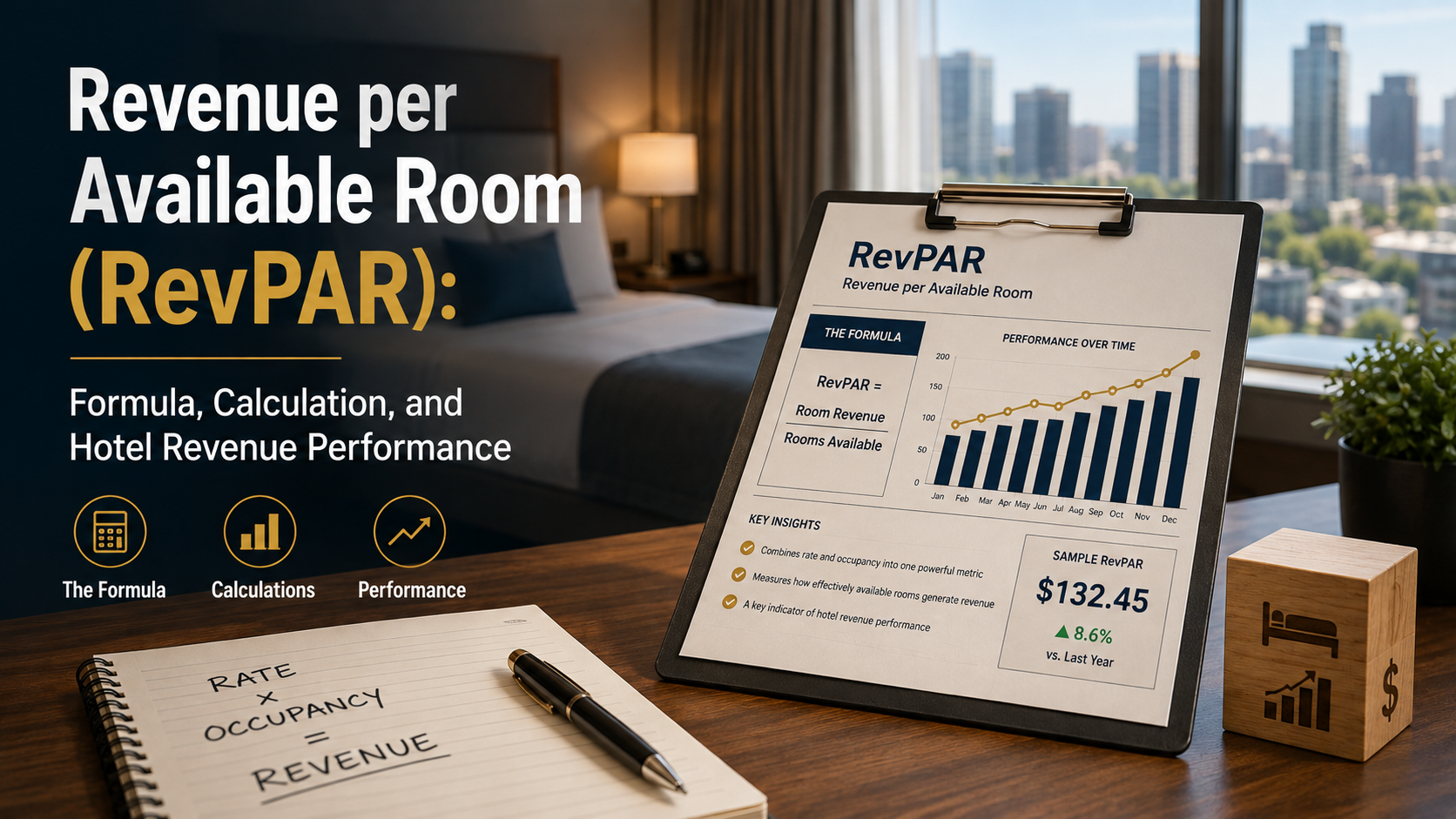
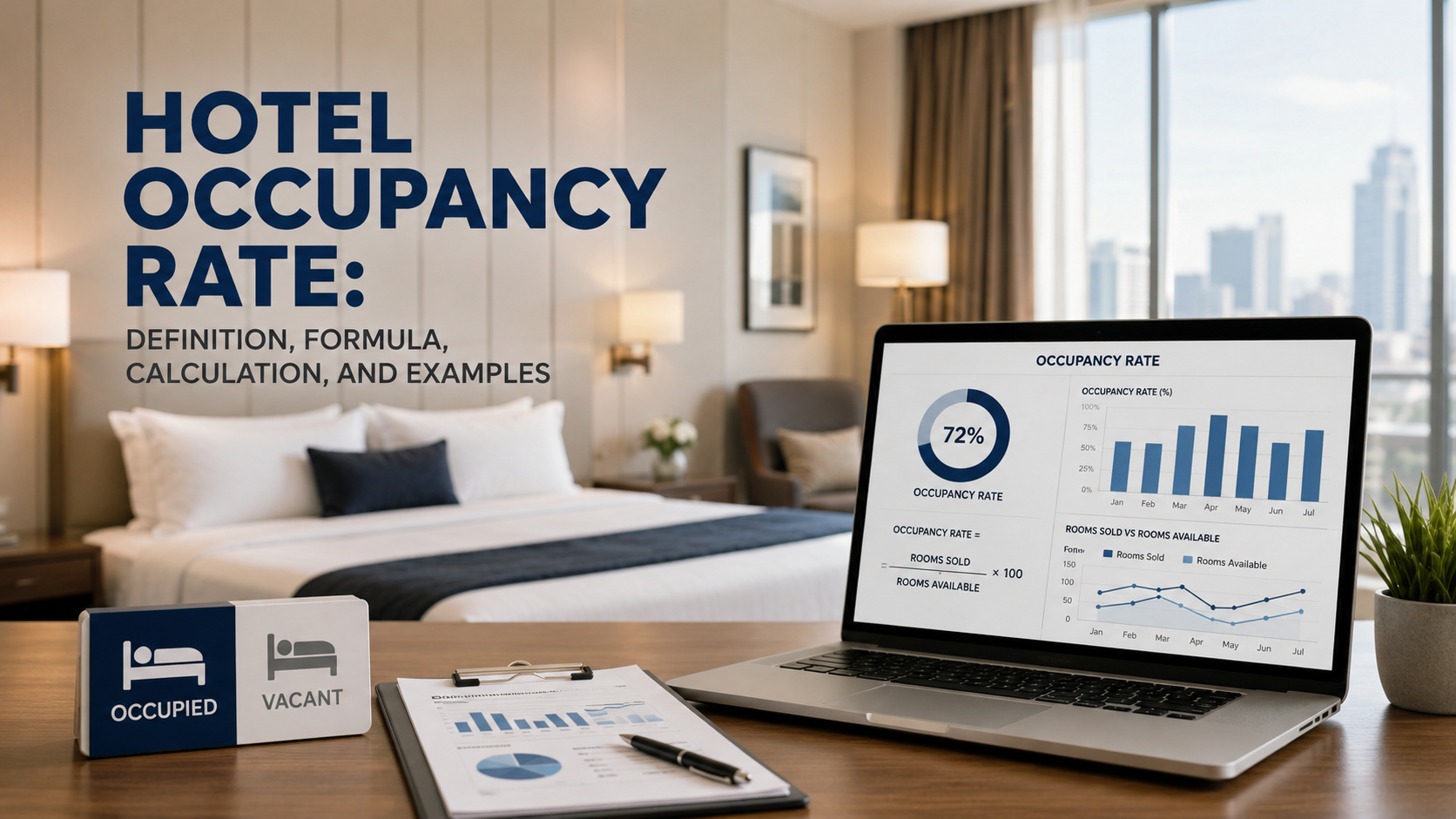
Hotel performance is measured through several core metrics that help owners and operators evaluate pricing, demand, revenue, and profitability. Average Daily Rate (ADR) measures the average room rate earned on occupied rooms, while Revenue per Available Room (RevPAR) combines room pricing and occupancy to provide a broader view of room revenue performance. Hotel Occupancy Rate measures the percentage of available rooms sold during a given period, and Hotel Net Operating Income (NOI) helps measure the property's profitability after operating expenses. Together, these metrics provide a clearer picture of a hotel's operational and financial performance.
Technology Creates Operational Efficiency
Modern hospitality increasingly depends on technology that improves both operations and guest experiences. Property management systems, contactless check-in, automated guest communication, mobile services, and integrated reporting tools help hotels operate more efficiently while meeting evolving traveler expectations.
Developing the right technology stack for boutique hotels operations enables owners to streamline daily workflows, improve staff productivity, strengthen guest communication, and make more informed operational decisions using real-time performance data.
Strategic Marketing Strengthens Competitive Positioning
Even exceptional hotels require effective marketing to reach the right audience. Boutique properties benefit from strategies that highlight their unique identity while attracting travelers whose interests align with the property's location and experiences.
An effective hotel marketing strategy for boutique hotels combines local SEO, direct booking initiatives, reputation management, content marketing, social media, and partnerships with regional tourism organizations. Together, these efforts improve online visibility while reducing dependence on third-party booking channels.
Managing Seasonality Protects Long-Term Performance
Seasonality affects every hospitality market differently. Coastal communities, ski destinations, urban centers, and wine regions each experience unique demand patterns throughout the year. Understanding these fluctuations helps investors make informed operational and financial decisions.
Effective seasonality planning for boutique hotels includes dynamic pricing, targeted marketing campaigns, event partnerships, staffing strategies, and promotional offers that help maintain occupancy during slower periods while maximizing revenue during peak demand.
Asset Management Builds Long-Term Value
Successful hotel ownership extends beyond day-to-day operations. Ongoing capital planning, property improvements, financial oversight, and performance monitoring all contribute to preserving and increasing asset value over time.
A structured boutique hotel asset management framework helps investors evaluate operational performance, prioritize capital investments, manage expenses, and position properties for sustainable growth. By aligning operational decisions with long-term investment objectives, owners can strengthen both profitability and property value.
The Future of the Pacific Northwest Hospitality Industry
The Pacific Northwest hospitality industry is well positioned for continued growth as travel demand becomes increasingly experience-driven. Rather than relying on a single tourism segment, the region benefits from a balanced mix of outdoor recreation, coastal tourism, culinary travel, business events, cruise passengers, and cultural experiences that support year-round visitation. This diversity provides a strong foundation for long-term hospitality investment while helping reduce market volatility.
Looking ahead, investors who align their properties with evolving traveler preferences will be best positioned for success. Boutique hotels that emphasize authentic local experiences, operational excellence, and strategic market positioning can capitalize on changing guest expectations while strengthening long-term asset performance. As destinations continue investing in tourism infrastructure, community development, and visitor experiences, the Pacific Northwest remains one of the country's most promising regions for boutique hospitality investment.
Final Thoughts
The Pacific Northwest hospitality industry continues to stand out because of its diverse travel economy and resilient demand. From outdoor adventure and coastal tourism to culinary experiences, business travel, and vibrant urban destinations, the region attracts a wide range of visitors whose spending supports hotels, restaurants, attractions, and local communities. For investors, understanding these travel patterns provides valuable insight into where hospitality opportunities exist and how changing traveler preferences will shape future growth.
Identifying the right market, however, is only the beginning. Long-term success depends on transforming travel demand into exceptional guest experiences, efficient operations, and sustainable financial performance. Roam Hospitality helps hotel owners and investors achieve these goals through comprehensive hotel management services, combining operational expertise, revenue optimization, strategic marketing, and personalized guest experiences to maximize asset value throughout the Pacific Northwest.
Frequently Asked Questions
Why is the Pacific Northwest an attractive hospitality investment market?
The Pacific Northwest benefits from diversified travel demand rather than relying on a single tourism segment. Outdoor recreation, coastal tourism, culinary travel, business events, cruise tourism, and urban destinations collectively support year-round demand for accommodations, creating opportunities across multiple hospitality markets.
What travel trends are shaping the Pacific Northwest hospitality industry?
Several travel trends continue influencing hospitality demand, including outdoor adventure tourism, beach and coastal tourism, wine and culinary experiences, wellness travel, western heritage events, business travel, cruise tourism, and urban lifestyle tourism. Understanding these trends helps investors identify markets with strong long-term growth potential.
Why are boutique hotels becoming more popular?
Today's travelers increasingly value authentic experiences over standardized accommodations. Boutique hotels offer personalized service, distinctive design, strong local partnerships, and destination-focused experiences that align with evolving traveler expectations while helping properties differentiate themselves in competitive markets.
How does boutique hotel management improve investment performance?
Effective boutique hotel management helps optimize operations, improve guest satisfaction, strengthen online reputation, maximize revenue, and protect long-term asset value. Strategic management allows investors to respond to changing market conditions while maintaining operational efficiency and service quality.
What should investors evaluate before investing in a boutique hotel?
Investors should consider market demand, traveler segments, occupancy trends, Average Daily Rate (ADR), Revenue per Available Room (RevPAR), seasonality, competitive supply, transportation infrastructure, and long-term tourism growth. Evaluating these factors provides a more complete understanding of a property's investment potential.
More Recent Articles