Seasonality Planning for Boutique Hotels
Seasonality Planning for Boutique Hotels
By Elliott Caldwell —

Planning for Boutique Hotel Seasonality
Boutique hotels offer distinct experiences rooted in personality, design, and a sense of place. Yet, these same unique qualities can make them particularly susceptible to seasonal fluctuations in demand. Without a proactive seasonality plan, even the most compelling properties can face unstable occupancy rates, uneven revenue streams, and operational challenges throughout the year.
Seasonality isn’t just an operational hurdle — it’s a strategic opportunity. With thoughtful planning, boutique hotels can turn seasonal swings into competitive advantages that enhance
guest experiences and stabilize revenue year‑round.
Understanding boutique hotel seasonality is critical for any property seeking to optimize occupancy rates and revenue. Seasonal demand swings can affect rooms, pricing strategy, and overall financial performance in ways unique to boutique hotels. By proactively analyzing demand season trends, hotel owners can anticipate high and low periods, adjust staffing and hospitality services, and prepare for both business-related travel and leisure guests. Effective hotel seasonality planning ensures that even during quieter months, properties remain competitive and operationally efficient.
Understanding Seasonality in Boutique Hotel
“Seasonal fluctuations bring high demand during peak periods, while off-season months can experience a steep drop in interest.” (nevron)
Seasonality refers to predictable variations in travel demand based on the time of year, weather patterns, local events, school calendars, and global travel trends. For many boutique hotels, peak demand aligns with holidays, festival periods, summer vacations, or major cultural events. Conversely, off‑peak periods often see significant declines in bookings and occupancy levels.
Recognizing these patterns early — and planning around them — allows hoteliers to optimize pricing, marketing, operations, and guest offerings rather than reacting to fluctuating demand.
Why Seasonality Planning Matters
“Hotels need to stay ahead of seasonal demand patterns to manage shifts effectively and keep operations running smoothly.”(switchhotelsolutions)
Strategic seasonality planning allows boutique properties to turn seasonal fluctuations into advantages. During the peak season or high season, hotels can maximize revenue through optimized pricing and carefully curated packages. In contrast, off-peak months can be leveraged with targeted seasonal pricing, promotions, and loyalty initiatives to encourage repeat visits. Without attention to hotel industry patterns, even well-located boutique hotels risk underutilized rooms and missed financial opportunities.
Without a seasonality strategy, boutique hotels risk:
- Revenue instability, especially when relying on high‑season performance alone.
- Underutilized inventory, leading to wasted capacity and lost revenue.
- Operational inefficiencies, such as overstaffing in slow months or under‑preparation during spikes.
- Marketing misalignment, with promotions failing to reach the right audiences at the right times.
Seasonality planning helps managers smooth demand across the calendar and make strategic decisions that balance occupancy, pricing, and guest satisfaction.
1. Use Historical Data and Forecasting Tools for Peak Season
“Recognizing when peak and low seasons occur is essential for effective planning. Peak seasons typically coincide with holidays, summer months, or major local events, leading to increased bookings and higher room rates.”(insightssuccess)
Effective seasonality planning begins with data. Analysing past booking patterns, average daily rates (ADR), and occupancy trends highlights which months are traditionally strong or weak. Boutique hotels can then align staffing, pricing, and promotions with anticipated demand.
Advanced
revenue management systems integrate forecasting tools to refine projections further — factoring in local events, holidays, and broader tourism patterns — helping hotels anticipate booking behavior with greater accuracy.
Advanced revenue management systems help boutique hotels anticipate seasonal fluctuations and align operations for peak season. By analyzing past occupancy rates, seasonal demand, and pricing strategy, hotels can plan staffing, hospitality services, and room allocations more effectively. Tools that factor in local events, holidays, and global travel trends give property managers confidence in adjusting pricing or offering seasonal rates without compromising brand or guest experience.
2. Implement Flexible Pricing Strategies For Seasonal Pricing
Dynamic pricing is one of the most effective levers for managing seasonal demand.
During peak periods, higher ADRs capitalize on strong demand. In contrast, lower occupancy windows can benefit from adjusted pricing, including:
- Mid‑week discounts
- Shoulder‑season packages
- “Stay X nights, get Y free” offers
These promotions can make peak travel more attractive without eroding brand value.Seasonal pricing strategies allow boutique hotels to maximize revenue during high season while encouraging off-season stays. By offering special packages or curated experiences, inns and boutique properties can attract different traveler segments, including business-related travel during slower months. Promotions such as “stay X nights, get Y free” or targeted pricing strategy adjustments help stabilize occupancy across seasons and enhance overall financial health.
3. Develop Seasonal Packages and Themed Experiences
Boutique hotels excel when they offer tailored, memorable experiences. Use this strength to create seasonal packages that enhance value for guests:
- Holiday escapes (e.g., winter festivities, romantic Valentine’s breaks)
- Cultural immersion weekends aligned with local festivals
- Wellness retreats in quieter months
Bundling rooms with curated local experiences — such as dining, tours, workshops, or activities — encourages longer stays and attracts niche traveler segments.
4. Target Specific Market Segments and Run a Special Offer
Different traveler types travel at different times:
- Weekend city breakers or couples may seek off‑peak travel experiences.
- Business travellers offer more consistent demand not tied to seasonal tourism patterns.
- Staycationers and regional visitors can provide stabilizing volume during quieter months.
Crafting targeted campaigns — through email marketing, social ads, or OTA promotions — can attract these specific segments throughout the year.
5. Strengthen Local Partnerships
Seasonality planning isn’t limited to internal strategy — it extends into the community.
Working with local businesses (restaurants, tour operators, event organizers) enables creation of compelling packages while boosting the hotel’s visibility. For example, pairing accommodation with tickets to a seasonal event or a signature local experience can turn a low‑season visit into a must‑book getaway.
Partnerships also help with cross‑promotion, expanding reach into new guest segments.
6. Maintain Operational Flexibility
Operational planning should adapt to seasonal cycles:
- Staffing levels can be adjusted to match occupancy demand.
- Maintenance schedules and facility upgrades are best timed for slower periods.
- Supplies and inventory levels should align with expected guest counts.
This improves cost control and service consistency year‑round.
7. Elevate Marketing and Digital Presence
Seasonal promotions can fall flat without the right visibility:
- Update the hotel website with featured seasonal packages prominently.
- Use search engine and social media ads to target audiences planning semi‑flexible trips.
- Highlight off‑season charms and experiences that differentiate your hotel from competitors.
Refreshing visual content and storytelling tied to seasonal experiences helps build emotional connection and urgency.
8. Encourage Repeat Visits and Loyalty
Guests who appreciate your hotel’s unique vibe are likely to return — especially if there’s added value in slower months.
Loyalty incentives — such as discounts on return stays, priority offers, or exclusive seasonal perks — help convert first‑time visitors into repeat customers, reducing long‑term seasonality impact.
Understanding Key Hotel Performance Metrics
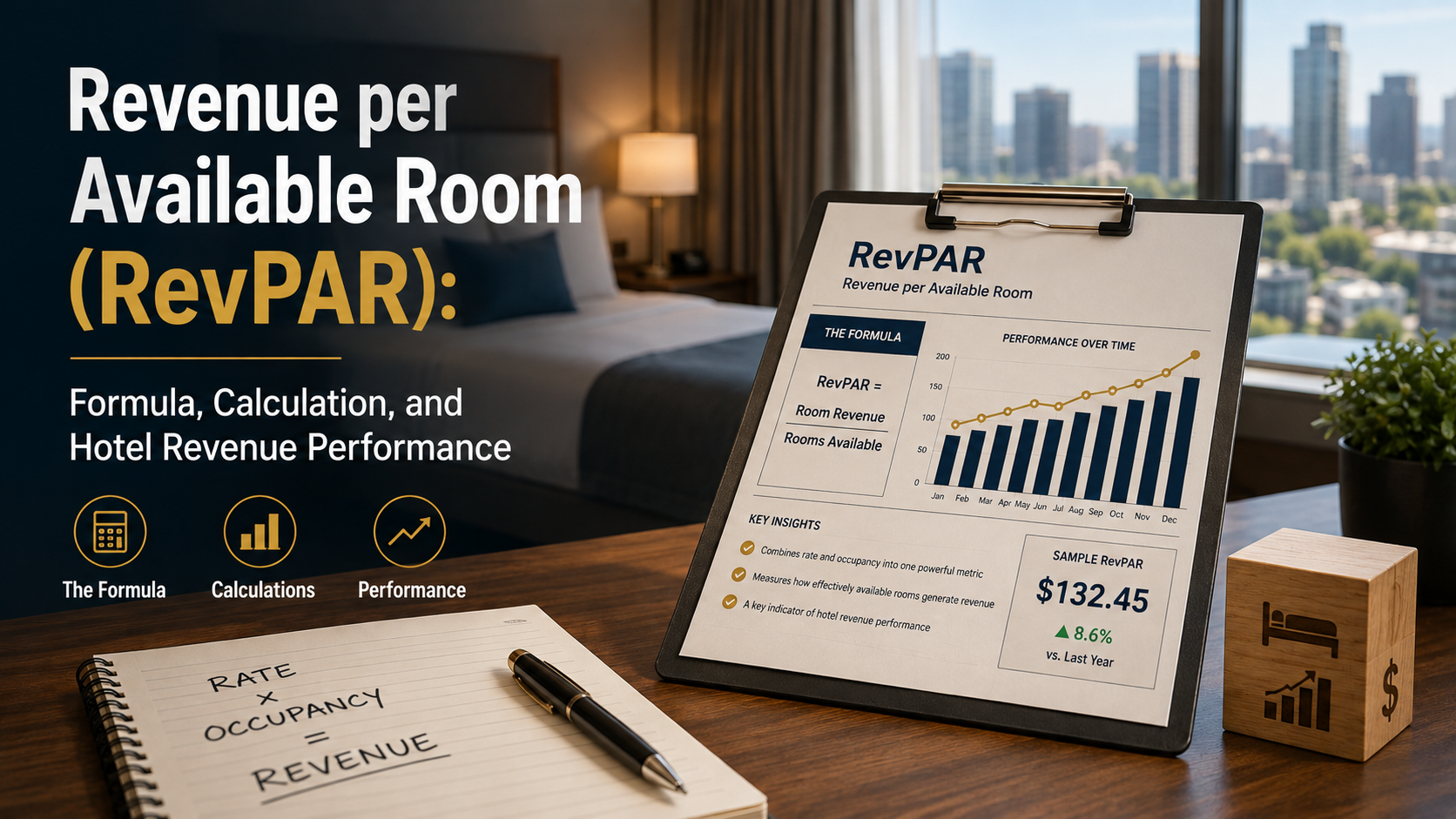
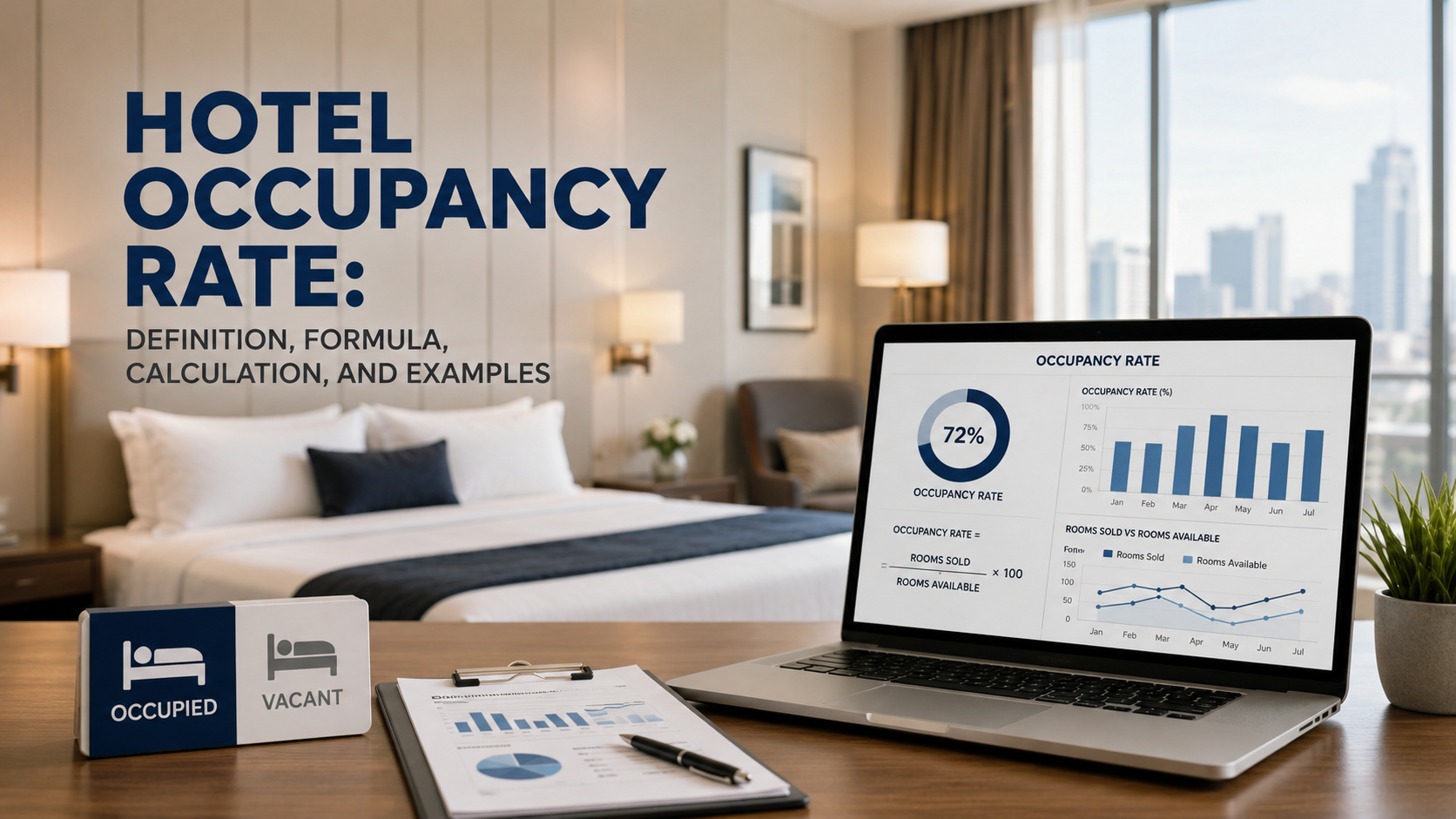
Hotel performance is measured through several core metrics that help owners and operators evaluate pricing, demand, revenue, and profitability. Average Daily Rate (ADR) measures the average room rate earned on occupied rooms, while Revenue per Available Room (RevPAR) combines room pricing and occupancy to provide a broader view of room revenue performance. Hotel Occupancy Rate measures the percentage of available rooms sold during a given period, and Hotel Net Operating Income (NOI) helps measure the property's profitability after operating expenses. Together, these metrics provide a clearer picture of a hotel's operational and financial performance.
Final Thoughts
Travelers increasingly choose boutique hotels for their unique character, personalized service, and authentic local experiences. By partnering with professional
Roam Hospitality and leveraging comprehensive
Boutique Hotel Management Services, independent hotel owners can ensure their properties maintain high standards while optimizing operations, revenue, and marketing. With expert guidance, boutique hotels can continue delivering the distinctive experiences guests expect — all while growing successfully in today’s competitive hospitality landscape.
More Recent Articles