Urban vs Resort Boutique Hotel Management: Key Operational Differences
Urban vs Resort Boutique Hotel Management: Key Operational Differences
By Elliott Caldwell —
Urban vs Resort Boutique Hotel Management: Key Operational Differences
“The main difference between a hotel and resort is the amenities provided at the property. Resorts tend to act as a destination in itself with much more grounds to cover, while hotels usually tend to be seen as simple and comfortable accommodation in a location for travellers looking for a convenient stay.”(littlehotelier)
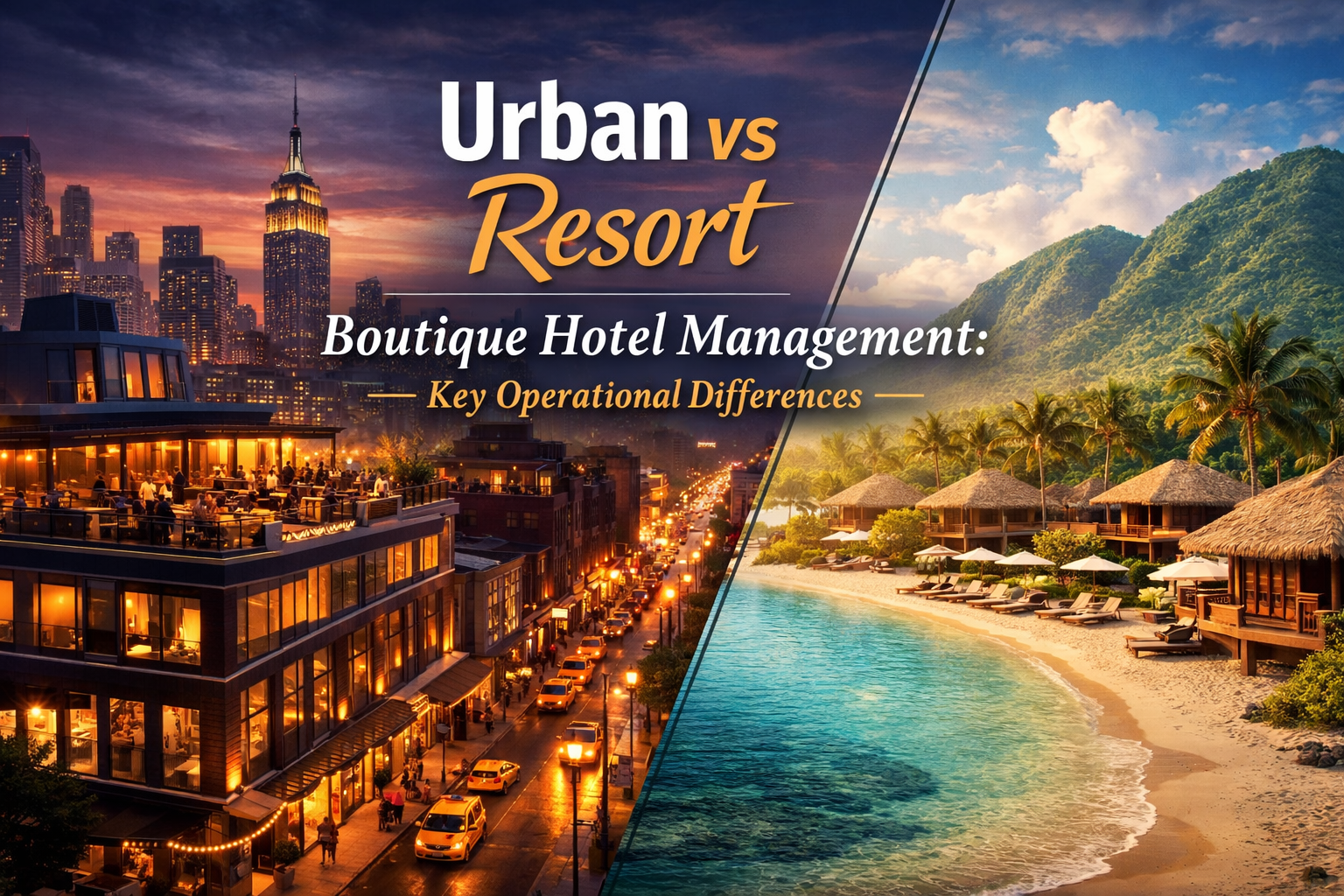
Boutique hotels are valued in today’s hospitality landscape for their distinct character, immersive guest experience, and personalized service. However, not all boutique hotels operate—or should be managed—the same way. Urban boutique hotels and resort boutique hotels each present unique operational demands, strategic priorities, and management challenges.
Understanding these differences is crucial for owners, general managers, and hospitality executives seeking sustainable performance, strong guest satisfaction, and long-term success.
When comparing operations, many owners examining resort vs hotel strategies quickly see that boutique hotels stand apart because of their unique identities and
operational flexibility. Across the hospitality industry, both city and destination properties aim to deliver a unique experience for modern travelers, yet each independent hotel must shape management and service delivery according to location and guest demand. Understanding these key differences allows leaders to align staffing, technology, and revenue models for long-term success.
1. Property Vision & Guest Expectations
Urban Boutique Hotels
Urban boutique hotels are typically located in city centres, cultural districts, or trend-driven neighbourhoods. They attract a mix of business travellers, weekend leisure guests, and visitors seeking local culture and food scenes. Urban boutique management focuses on:
- Personalized, curated experiences tied to neighborhood culture and nightlife.
- Efficient service delivery for short stays and frequent arrivals/departures.
- Design that reflects local heritage and contemporary urban energy.
Typical stays are shorter, guest interactions are high-frequency, and expectations are for quick but memorable service tailored to bustling city life.
Resort Boutique Hotel
Resort boutique properties are set in scenic destinations—beaches, mountains, vineyards, or tropical hideaways. These properties emphasize leisure, relaxation, and extended guest engagement. Operational priorities include:
- Crafting holistic experiences such as wellness programs, outdoor adventures, destination tours, and multi-day packages.
- Encouraging longer average stays, often integrating inclusions like spa services, pools, and curated excursions.
- Balancing immersive leisure offerings with personalized boutique charm.
Guests at resorts expect a self-contained experience that keeps them engaged without needing to leave the property.
In practice, urban hotels and resort destinations must tailor offerings around guest motivations. A city hotel often sees shorter stays with high turnover, while a resort hotel caters to extended leisure-focused visits. Boutique environments succeed when they deliver a more intimate setting combined with customised design, creating memorable stays for hotel guests seeking personalized and culturally connected moments. Across both formats, guest expectations revolve around comfort, curated experiences, and access to thoughtfully designed amenities.
2. Operational Structure & Team Management
Urban Boutique Hotel Structure
Urban boutique hotels operate with leaner teams and flatter organizational structures, enabling quick decision-making and flexibility. Staff often wear multiple hats—elevating responsiveness, but also placing more pressure on versatile employees.
Key operational traits:
- Smaller workforce with multi-role responsibilities.
- Direct communication lines between staff and management.
- Rapid response to guest needs and urban market shifts.
Resort Boutique Hotel Structure
Resort boutique hotels necessarily manage a broader range of departments, even within a boutique scale:
- Guest services (activities, excursions, concierge programs)
- Multiple F&B outlets (bars, restaurants, poolside service)
- Wellness, spa, and recreational teams
- Larger housekeeping and grounds/maintenance teams
Resort managers must reconcile complex staffing logistics and broader operational scopes, often with higher seasonal workforce fluctuations.
Operationally, the difference between urban and resort structures becomes clear in staffing models. A single manager in a compact urban environment may oversee multiple departments, while larger resort properties often require dedicated leaders across food service, wellness, and outdoor programming. Although some properties remain small, they still need strong coordination across services, staff training, and cross-department collaboration to support both operational consistency and guest satisfaction.
3. Guest Experience & Engagement
Urban Boutique Focus
Urban properties emphasize cultural immersion and local engagement. They curate experiences that amplify the destination’s character:
- Partnerships with neighbourhood eateries and cultural venues
- Local art displays and in-house events
- Designer interiors and boutique-centric service cues
These hotels perform well when every guest interaction feels bespoke and integrated into their urban itinerary.
Resort Boutique Focus
Resort boutique experiences revolve around extended engagement and holistic leisure offerings:
- Guided excursions (hikes, boat trips, tours)
- Wellness programming (yoga retreats, spa packages)
- Evening entertainment or
curated culinary experiences
Longer stays allow teams to build deeper guest relationships and tailor services over time, but also demand 24/7 operational readiness across more varied amenities.
Delivering memorable experiences requires leveraging both physical offerings and
technology, from seamless mobile booking tools to digital concierge platforms enhancing the overall guest experience. Both urban and resort teams must understand how hotel guests interact with experiences differently—urban visitors often seek nightlife and dining recommendations, while resort guests look for immersive outdoor activities and leisure programming that keep them engaged on property.
4. Revenue, Distribution & Marketing
Urban Boutique Revenue Dynamics
Revenue management in city-side boutique hotels often prioritizes:
- Room revenue optimization based on business peaks (weekdays, events, conferences).
- Targeted digital marketing emphasizing culture, design, and location perks.
- Dynamic pricing relative to urban demand cycles.
Urban boutique hotels depend more heavily on local demand drivers—concerts, conventions, city events—and must tailor pricing and inventory strategies accordingly.
Resort Boutique Revenue Dynamics
Resort properties leverage diverse revenue streams beyond rooms:
- Curated experience packages (wellness, adventure, culinary).
- Premium F&B outlets integrated into stay packages.
- Off-season promotions designed to maintain occupancy.
Marketing strategies often position the hotel as a destination in its own right, especially for longer stays and high-value leisure segmentation.
Financial success depends on aligning revenue management, distribution, and
promotional marketing approaches. Urban properties often boost sales through corporate travel demand and event-driven pricing, while resorts depend more on package-based strategies encouraging longer stays. Effective distribution also relies on optimizing rooms, upselling experiences, and packaging value-added amenities that attract guests during slower demand periods.
Understanding Key Hotel Performance Metrics
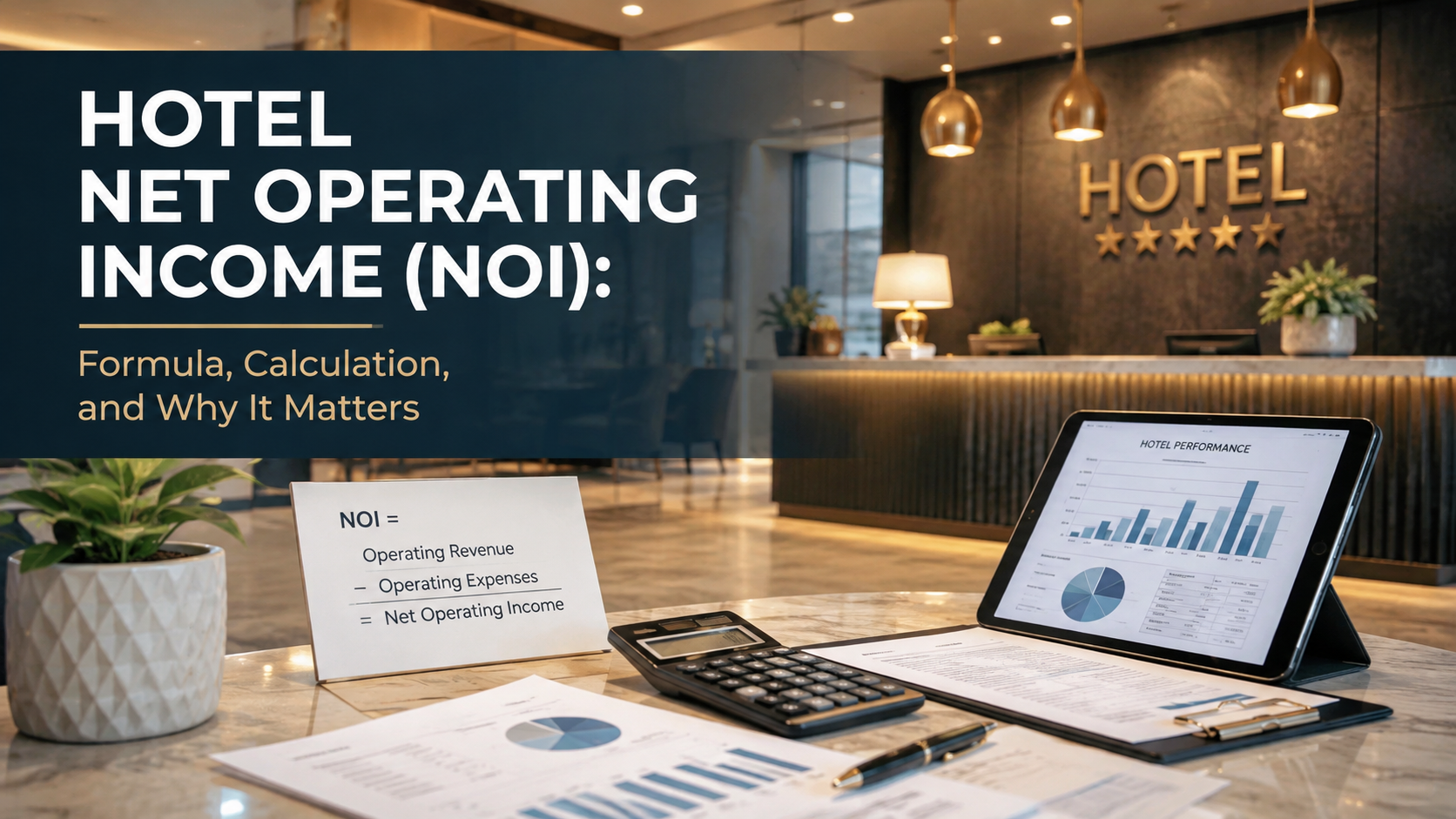
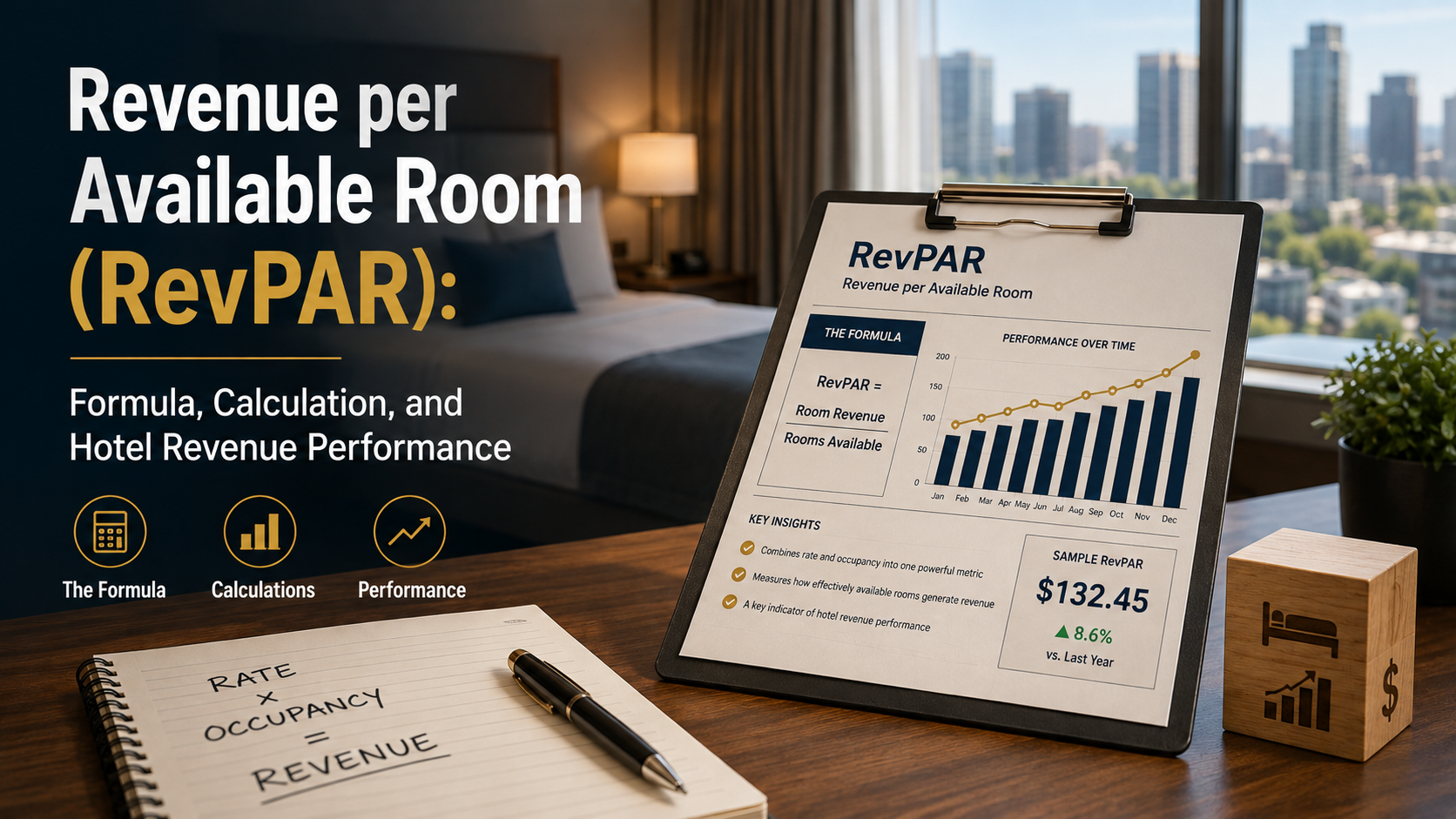
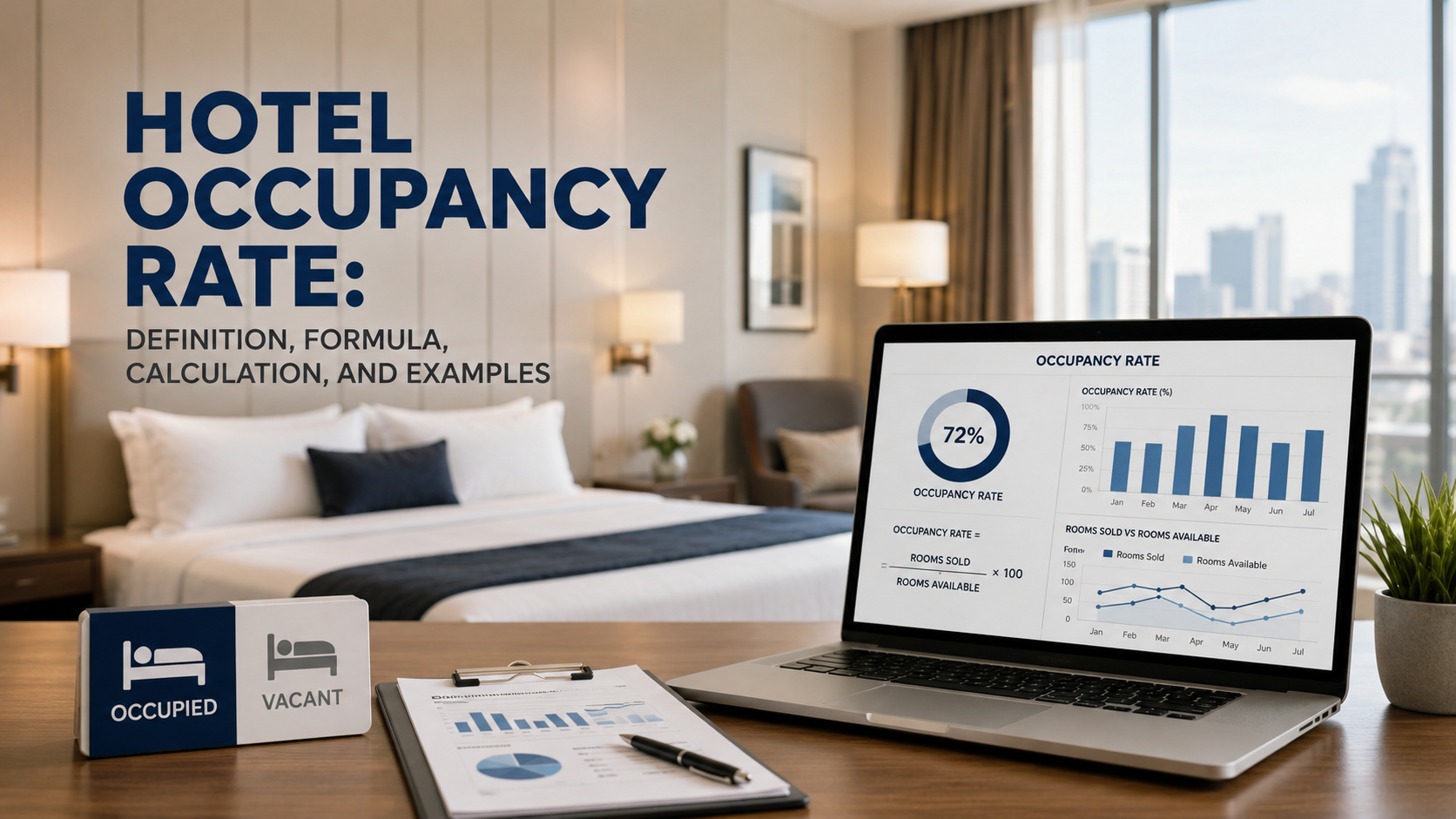
Hotel performance is measured through several core metrics that help owners and operators evaluate pricing, demand, revenue, and profitability. Average Daily Rate (ADR) measures the average room rate earned on occupied rooms, while Revenue per Available Room (RevPAR) combines room pricing and occupancy to provide a broader view of room revenue performance. Hotel Occupancy Rate measures the percentage of available rooms sold during a given period, and Hotel Net Operating Income (NOI) helps measure the property's profitability after operating expenses. Together, these metrics provide a clearer picture of a hotel's operational and financial performance.
5. Logistics, Maintenance & Operational Challenges
“coordinating the delivery and storage of supplies ensures the right items reach the right place on time. Effective logistics reduce delays and keep operations running” (MEWS)
Urban Boutique Logistics
Urban hotels often benefit from easy access to suppliers, staff resources, and municipal services. Challenges include managing peak guest turnover and high expectations for speedy operations.
Resort Boutique Logistics
Resort boutique properties face more complex logistics, especially in remote or destination locations:
- Supply chain complexities for F&B, amenities, and specialized equipment
- Seasonal workforce management
- Greater infrastructure demands (pools, private beaches/trails, spas etc.)
Resort managers must integrate strategic maintenance planning with guest service delivery without sacrificing the boutique experience.
6. Strategic Vision & Leadership Roles
“A meaningful strategic vision defines an organization's aspirations and inspires continuous progress towards important objectives. Developing such a vision requires extensive consultation, research, iterative refinement and persuasive communication. Pursuing an ambitious business plan through consistent efforts and innovation sustains competitive advantage. Overall, a well-defined strategic vision acts as a guiding star, helping navigate challenges while unlocking new opportunities for growth.” (thestrategyinstitute)
Resort boutique leadership requires a broader operational vision, marrying both immersive destination experiences and boutique stylistic nuances. These managers act as experience curators, revenue strategists, and logistical coordinators across larger teams and multifunctional guest offerings.
Final Thoughts
As boutique hotels evolve, partnering with experienced professionals can help maintain a property’s unique character while improving
operational performance and guest satisfaction. With the right guidance, owners can scale successfully without sacrificing the personalized experiences that make boutique stays memorable. By working with trusted partners like
Roam Hospitality and leveraging expert
Boutique Hotel Management Services, hotel owners can confidently position their properties for
long-term growth, operational excellence, and continued guest loyalty.
More Recent Articles