Technology Stack for Boutique Hotels Operations
Technology Stack for Boutique Hotel Management
By Elliott Caldwell —
Technology Stack for Boutique Hotels Management
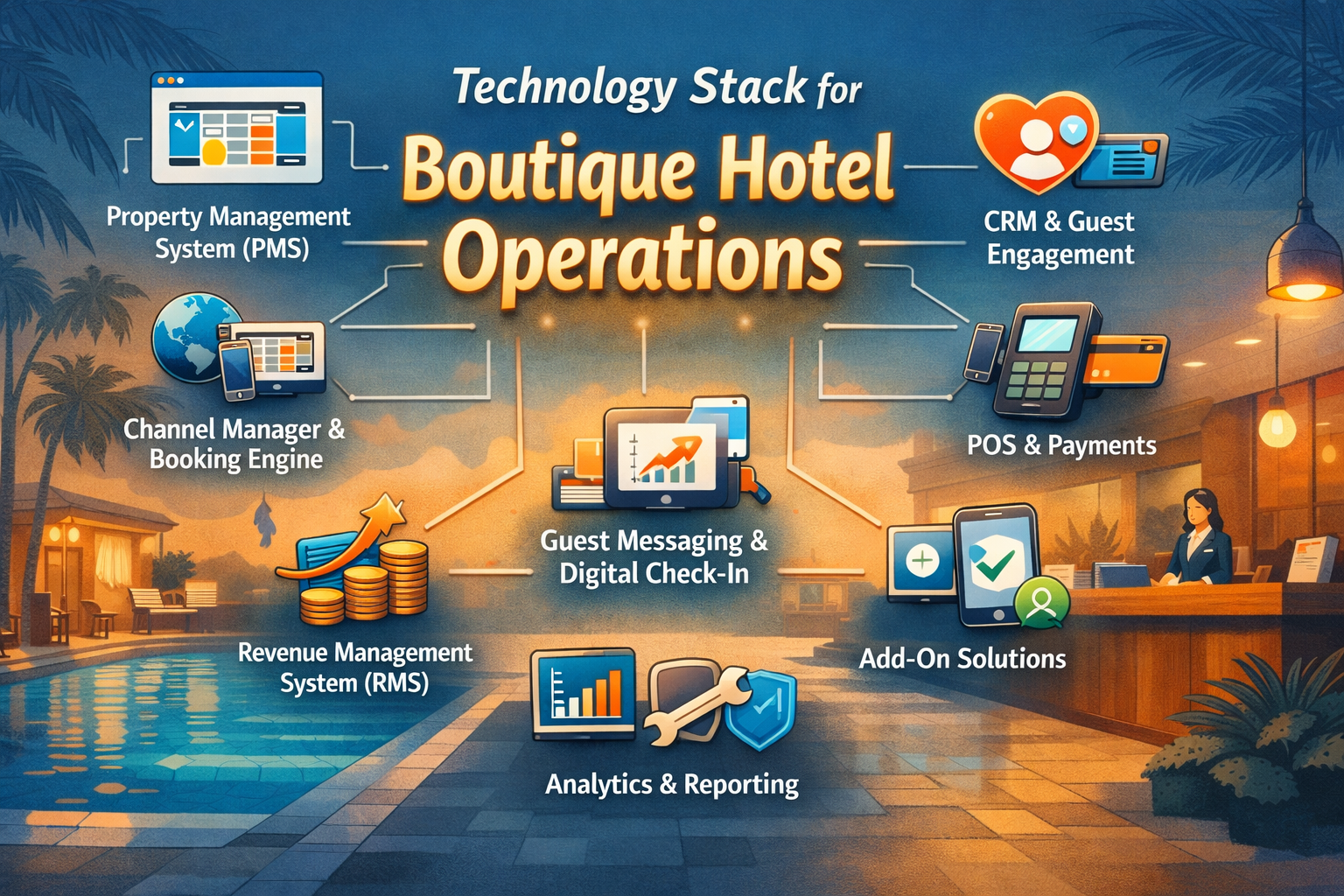
In today’s competitive hospitality landscape, technology isn’t just an add‑on — it’s the backbone of efficient boutique hotel operations. From managing reservations to automating guest engagement and unlocking smarter revenue strategies, the right tech stack helps boutique hoteliers run their properties more profitably and deliver memorable stays that keep guests coming back.
Adopting the right
boutique hotel operations technology is no longer optional — it’s essential for competing in the modern hospitality industry. From hotel PMS and property management tools to revenue technology and operations software, the right tech stack empowers hoteliers to manage rooms, staff, and guest experiences more efficiently. By integrating management solutions across the property, boutique hotels can optimize operations, enhance guest management, and make smarter financial decisions while maintaining their unique character.
Here’s a clear roadmap of the essential technology systems every boutique hotel should consider — whether you’re launching your first property or scaling to multiple locations.
What Is a Hotel Technology Stack — and Why It Matters
“A hotel tech stack is a collection of integrated technologies and software solutions that work together to streamline hotel operations, enhance guest experiences, and optimize overall efficiency. This tech stack typically includes a Property Management System (PMS) or Hotel Management System (HMS) as the core operating system, along with essential platforms for operations, guest engagement, e-commerce, and human resources.
Additionally, point solutions are added to address specific objectives and improve various aspects of the hotel's performance. The goal is to create a cohesive and efficient system that leverages data and automation to meet the evolving needs of the modern hospitality industry” (hoteltechreport).
A hotel technology stack is the combination of software and digital tools that support operations, distribution, guest services, finance, marketing, and analytics. While independent boutique hotels don’t need the same complexity as large resorts, theydo need a foundation that supports:
- Efficient daily operations
- Seamless guest experiences
- Smart pricing and distribution
- Personalised engagement
- Scalable growth
Choosing the right stack reduces manual processes, minimises costly errors (like overbookings), and frees your team to focus on what truly matters: hospitality.
1. Property Management System (PMS): The Heart of Operations
“A Property Management System (PMS) is the backbone of hotel operations. It manages reservations, check-ins, check-outs, and room assignments, providing a centralized platform for operational efficiency. Modern PMS solutions integrate with other systems, ensuring seamless data flow and enhancing guest experiences. Advanced features, like automated housekeeping updates or mobile-friendly interfaces, make operations even more efficient and guest-focused. For instance, mobile-friendly PMS platforms allow staff to manage operations on the go, improving flexibility and responsiveness.”(premiereadvisorygroup)
What a good PMS should do:
- Centralise bookings and guest data
- Manage room inventory and housekeeping status
- Handle guest billing and folios
- Integrate with key distribution channels and third‑party tools
Even small boutique hotels with 10–30 rooms benefit by eliminating spreadsheets and manual tracking, especially as occupancy grows.
2. Channel Manager & Online Booking Engine: Maximise Distribution
Once your PMS is set up, the next priority is ensuring your rooms are visible and bookable across the web.
- A Channel Manager synchronises your room availability and rates across OTAs like Booking.com, Expedia, and niche booking sites, preventing double bookings and rate mismatches.
- An
Online Booking Engine embedded on your own website helps boost
direct bookings
— reducing reliance on third‑party channels and related commission costs.
Together, these systems ensure your inventory is accurately represented everywhere guests look — and that you retain more revenue from bookings that come straight from your brand.
3. Revenue Management System (RMS): Hotel Software for Smarter Pricing, Better Yield
Revenue management isn’t just for big hotel chains. Even boutique properties can benefit from dynamic pricing that adjusts room rates based on demand, seasonality, competition, and market trends.
An RMS analyses data and recommends optimal pricing strategies to:
- Maximise occupancy during slower periods
- Capture higher rates during peak demand
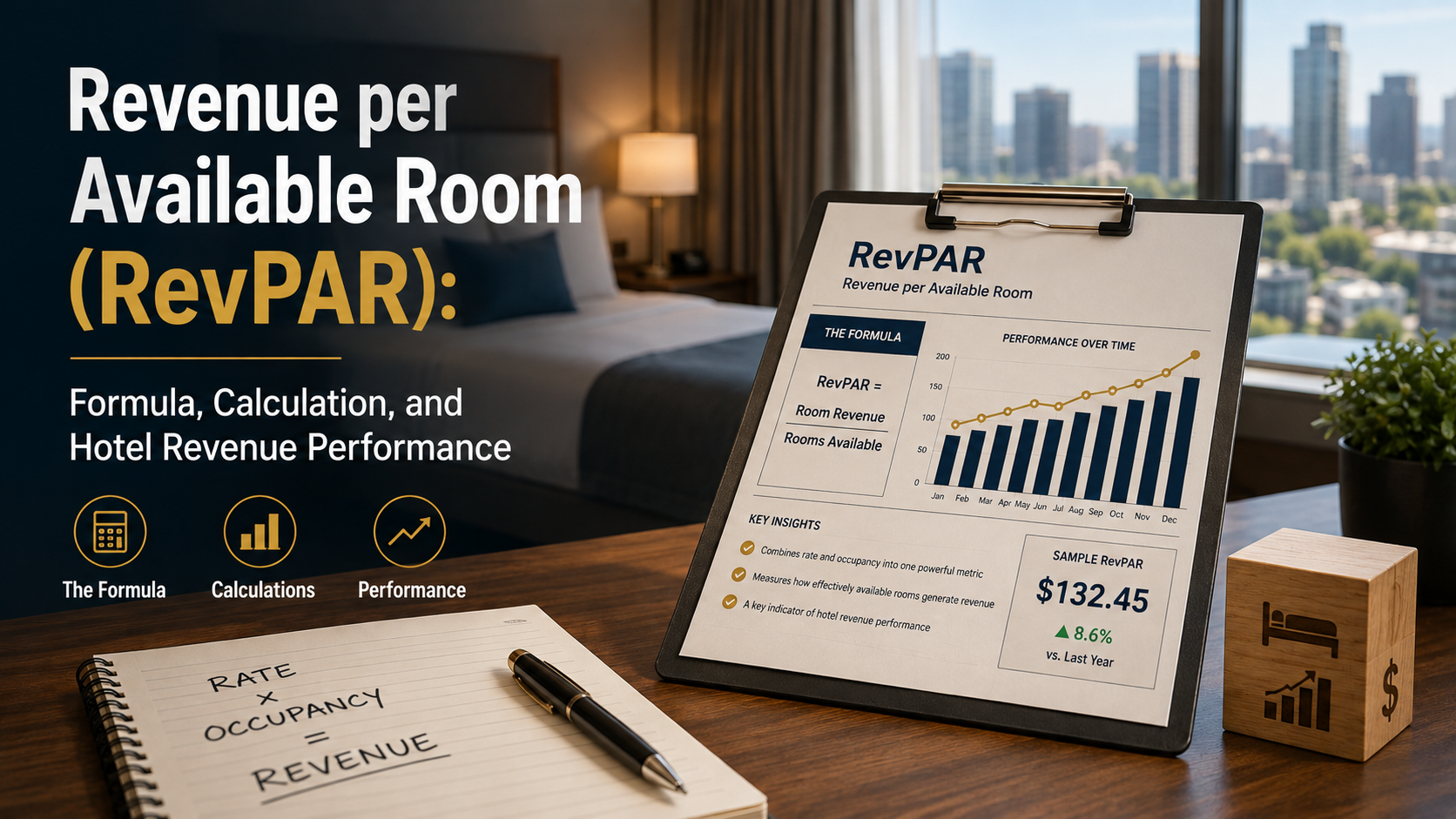
- Improve RevPAR (Revenue Per Available Room)
By connecting with your PMS and distribution channels, revenue tools keep pricing aligned and reactive to real‑time trends.
4. CRM & Guest Engagement Platforms: Personalisation at Scale
Boutique hotels are all about unique guest experiences — and the right CRM (Customer Relationship Management) system helps you deliver exactly that.
With CRM and guest engagement tools, you can:
- Capture guest preferences and stay history
- Automate personalised communications (pre‑arrival, in‑stay, post‑stay)
- Segment and market to guests based on behaviour
- Drive loyalty and repeat stays
This level of personal interaction — once considered “luxury” — is now table stakes for independent hotels looking to compete with larger brands.
5. Point of Sale (POS) & Integrated Payments
Boutique hotels often offer food and beverage, spa, or retail services. A modern POS system that integrates with your PMS ensures:
- All guest charges (restaurant, bar, spa) post directly to the room folio
- Inventory and sales data sync in real time
- Reporting and financial reconciliation become easier
Even if you start with a simple tablet‑based POS, integration matters. It gives you an end‑to‑end view of revenue rather than siloed data.
6. Guest Messaging & Digital Check‑In Tools
Today’s guests expect convenience. Technologies like:
- Mobile or contactless check‑in/out
- Digital keys
- Automated messaging (SMS, WhatsApp, in‑app)
…reduce friction while enhancing guest satisfaction. These systems give guests more control of their stay and free up staff from routine tasks.
7. Analytics, Business Intelligence & Reporting
“Hotel business intelligence aims to give hoteliers insights into guest experience so they can enhance their strategies. It gathers data from various sources to enable fast and smart decision-making.” (hoteltechreport)
Data without insight can’t improve performance. Boutique hotels need dashboard tools that pull together performance metrics — from occupancy and ADR to guest satisfaction scores — so decisions are informed, not guesswork.
A unified analytics layer gives visibility into trends and helps align your strategy across operations, pricing, and marketing.
Understanding Key Hotel Performance Metrics
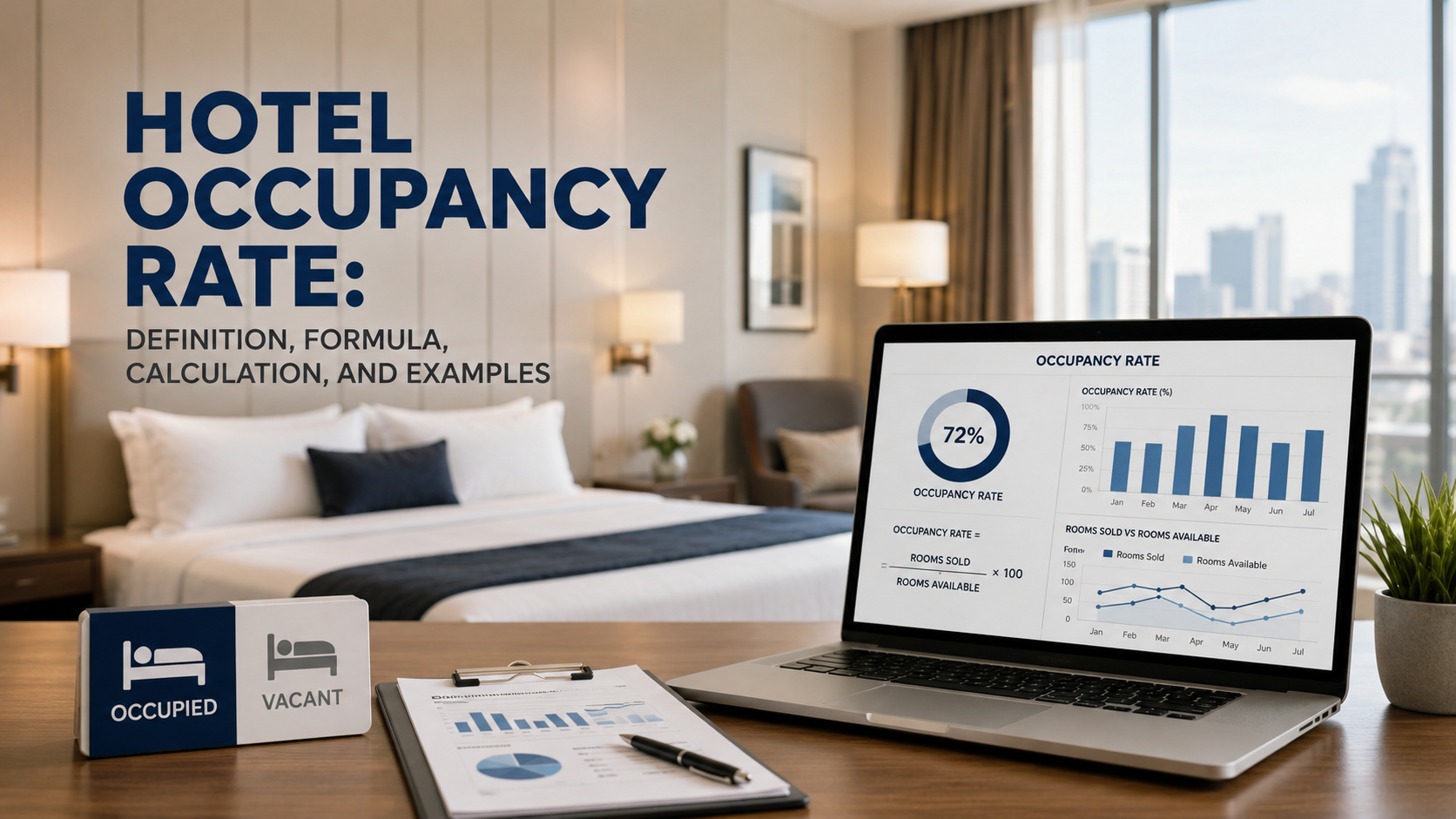
Hotel performance is measured through several core metrics that help owners and operators evaluate pricing, demand, revenue, and profitability. Average Daily Rate (ADR) measures the average room rate earned on occupied rooms, while Revenue per Available Room (RevPAR) combines room pricing and occupancy to provide a broader view of room revenue performance. Hotel Occupancy Rate measures the percentage of available rooms sold during a given period, and Hotel Net Operating Income (NOI) helps measure the property's profitability after operating expenses. Together, these metrics provide a clearer picture of a hotel's operational and financial performance.
8. Optional Add‑Ons to your Boutique Hotels— When You’re Ready
As your hotel matures, you might explore:
- Housekeeping & Maintenance Management tools for work orders
- Staff Scheduling & Labour Management systems
- Energy & IoT Solutions for intelligent utilities control
- Reputation & Review Management tools
- Cybersecurity & Compliance Solutions
to safeguard guest data
These aren’t essentials for every boutique property — but they’re valuable scalability tools as operations grow.
Integration Is the Common Thread
Across every technology layer, integration matters most. Systems that “talk” to each other — via APIs or built‑in connectors — reduce data silos and manual work, offering:
- Unified guest profiles
- Consistent pricing and availability
- Faster, error‑free workflows
- Better performance insights
This is why many boutique hotels aim for a modular stack that’s interoperable from day one.
Final Thoughts
Boutique hotels thrive on delivering distinctive, personalized experiences, but managing operations, technology, and guest expectations can be complex. By partnering with professional Roam Hospitality and leveraging comprehensive
Boutique Hotel Management Services, independent hoteliers can streamline operations,
maximize revenue, and maintain the high standards guests expect. With expert guidance and the right technology stack, boutique hotels can continue offering memorable stays while growing successfully in today’s competitive hospitality landscape.
More Recent Articles