How Boutique Hotel Management Impacts NOI and Long-Term Asset Value
How Boutique Hotel Management Impacts NOI and Long-Term Asset Value
By : Elliott Caldwell —

Boutique Hotel Management Impact on NOI: How Hotel Management Increases Profitability for Hotels
Boutique hotel management is not simply about daily operations or guest service refinement. At the ownership level, it is a commercial discipline that directly influences hotel profitability, Net Operating Income (NOI), and long-term asset performance.
Understanding the boutique hotel management impact on NOI requires viewing the property not just as a lifestyle concept, but as an income-producing investment. Every operational decision inside the hotel — from pricing to staffing — affects revenue, expense control, and ultimately the asset’s financial strength. These decisions are typically structured within a boutique hotel revenue management framework.
Because hotels are valued based on income performance, improving NOI is the most direct way to increase long-term asset value.
What is Net Operating Income (NOI) in the hospitality industry, and why is it important for hotel investors and operators?
Net Operating Income (NOI) in the hospitality industry is a key financial metric that represents the total revenue generated from hotel operations minus the operating expenses incurred, excluding non-operating expenses such as interest, depreciation, and taxes. NOI provides a measure of the hotel's profitability and operating efficiency, serving as an indicator of its financial performance and investment potential.
Hotel investors and operators use NOI to evaluate the property's income-generating capacity, assess its operating expenses relative to revenue, and make informed decisions regarding investment, financing, and
asset management strategies. (chatlyn)
The Financial Framework: How NOI Drives Asset Growth
NOI is calculated as:
Total revenue – operating expenses = NOI
In hospitality investment, value is often determined using capitalization metrics:
Value = NOI ÷ Cap
Or more broadly, based on prevailing cap rates in the market.
This means incremental gains in room revenue, expense efficiency, or ancillary income have a multiplied effect on asset performance. The impact is mathematical, not theoretical.
For example, a $150,000 improvement in NOI at an 8% cap rate can translate into nearly $1.9 million in increased asset value. That is why disciplined management is directly tied to ownership outcomes.
Revenue Optimization and Rate Integrity
A robust revenue management framework is crucial to the performance of boutique hotels. Independent hotels cannot rely solely on brand systems; they must intentionally design pricing models that reflect positioning, demand segmentation, and market dynamics. (BEONX)
Key drivers include:
- Dynamic rate adjustments aligned with demand
- Channel mix optimization
- Strategic segmentation planning
- Protection of
occupancy without excessive discounting
Improving rate while maintaining healthy occupancy strengthens total hotel revenue and protects long-term positioning.
In lifestyle and luxury segments, especially, maintaining rate integrity supports both brand perception and sustainable profitability.
Discounting may temporarily increase volume, but it compresses profit margins and weakens long-term performance.
The goal is not just higher revenue — it is higher-quality revenue that flows efficiently to NOI.
Expense Discipline and Flow-Through
While revenue growth is essential, controlling revenue costs is equally critical. Labor models, procurement systems, utilities, and vendor agreements all influence margin structure.
Effective hotel management focuses on:
- Productivity-based staffing
- Smart scheduling aligned with demand
- Preventative maintenance planning
- Strategic purchasing controls
Improved flow-through — where incremental revenue converts efficiently into hotel profit — strengthens NOI without requiring disproportionate growth in expenses.
For ownership, this means better cash yield and improved refinancing leverage. (prostay)
Brand Positioning, Marketing, and Commercial Strategy
Boutique hotels compete through identity, not scale. That identity must be translated into a measurable commercial strategy.
Effective marketing ensures:
- Clear target segmentation
- Controlled OTA dependency
- Direct booking growth
- Reputation-driven pricing strength
When positioning and marketing align with revenue strategy, the hotel commands premium pricing without sacrificing service standards.
This alignment is where a professional management company can significantly influence performance. The hotel's management must consistently connect brand experience with financial outcomes.
Ancillary Income and Total Asset Performance
Beyond rooms, diversified income streams contribute meaningfully to NOI:
- Food and beverage outlets
- Event and meeting spaces
- Curated guest experiences
- Wellness or spa components
Optimizing these departments improves overall profitability and reduces dependency on room revenue alone.
The key is evaluating each outlet’s contribution to profit margins, not just top-line sales. Strong departmental oversight ensures ancillary services enhance — rather than dilute — total asset performance.
Risk Mitigation and Income Stability
Income stability reduces perceived investment risk in hospitality assets. Boutique hotels that diversify demand segments and maintain strong direct channels are better insulated from market volatility.
Stability improves financing terms, enhances investor confidence, and protects long-term profitability.
A disciplined management structure reduces income swings by aligning pricing strategy, marketing efforts, and operational controls into one cohesive system.
Aligning Operations with Ownership Objectives
Every hotel operates daily — but not every hotel operates strategically.
When hotel operations are aligned with ownership goals, decisions are evaluated through an investment lens:
- How does this affect NOI?
- Does this strengthen long-term positioning?
- Does this improve sustainable hotel profit?
Professional boutique hotel management ensures that operational execution supports financial objectives. While management may earn a fee, the greater objective is performance alignment with the owner’s long-term return expectations.
The Compounding Impact on Long-Term Asset Value
The impact of disciplined boutique hotel management compounds over time:
- Strong revenue management protects rate growth
- Expense efficiency strengthens margins
- Marketing enhances demand quality
- Brand clarity supports pricing power
- Operational discipline protects profitability
Because asset value is income-driven, sustained NOI growth directly improves long-term financial performance.
In competitive hospitality markets, boutique hotels that integrate financial discipline with experiential excellence outperform peers not just in occupancy, but in sustainable profitability.
Understanding Key Hotel Performance Metrics
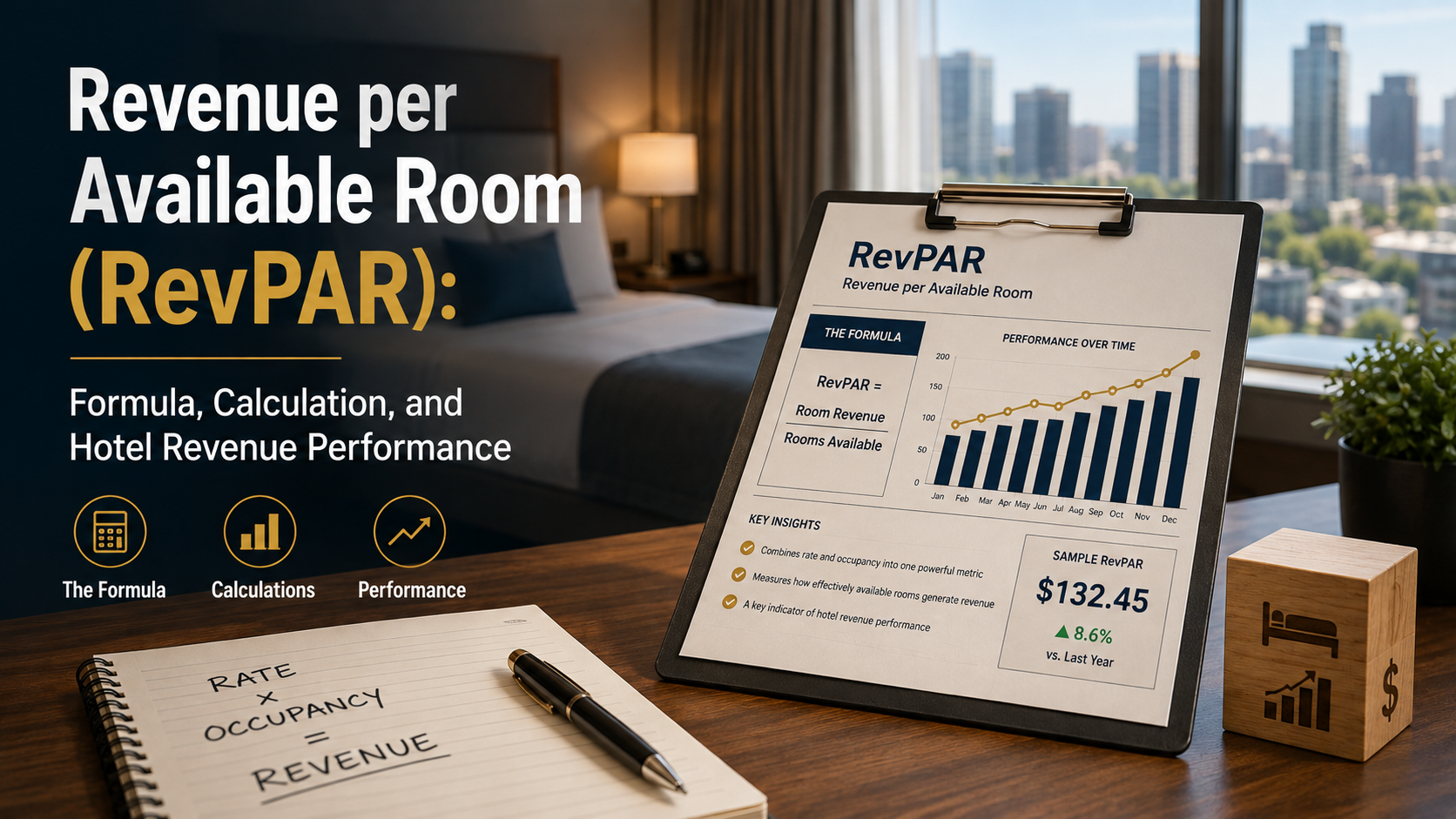
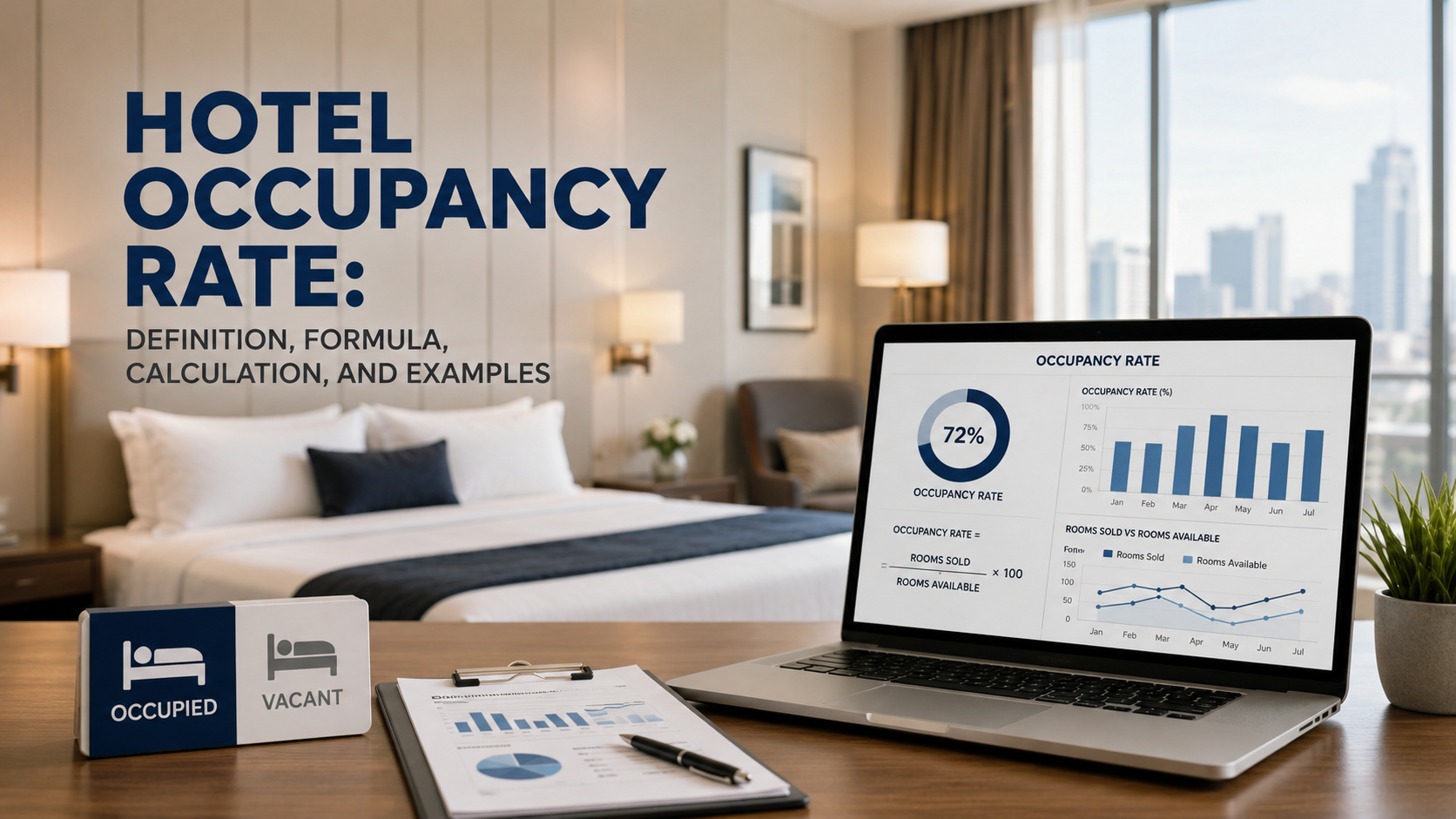
Hotel performance is measured through several core metrics that help owners and operators evaluate pricing, demand, revenue, and profitability. Average Daily Rate (ADR) measures the average room rate earned on occupied rooms, while Revenue per Available Room (RevPAR) combines room pricing and occupancy to provide a broader view of room revenue performance. Hotel Occupancy Rate measures the percentage of available rooms sold during a given period, and Hotel Net Operating Income (NOI) helps measure the property's profitability after operating expenses. Together, these metrics provide a clearer picture of a hotel's operational and financial performance.
Final Thoughts
Boutique hotel management is not simply about delivering service — it is about structuring performance to support investment returns. The boutique hotel management impact on NOI is measurable, repeatable, and directly tied to ownership outcomes. When paired with disciplined boutique hotel revenue management, strategic pricing, cost control, marketing alignment, and operational efficiency, independent hotels can strengthen both immediate cash flow and long-term asset value.
In modern hospitality investment, management is no longer operational overhead — it is the engine that drives performance. Firms like Roam Hospitality demonstrate how specialized boutique hotel management, supported by data-driven revenue strategy and commercial discipline, transforms operations into a structured profitability model designed to maximize NOI and enhance long-term asset appreciation.
More Recent Articles