Hotel Marketing Strategy for Boutique Hotels: A Practical Framework
Hotel Marketing Strategy for Boutique Hotels: A Practical Framework
By : Elliott Caldwell —
Marketing Boutique Hotels: Best Practice Strategies for Boutique Hotel Success
A boutique hotel operates in a distinct competitive landscape compared to large chains. Instead of scale and loyalty programs, boutique hotels compete on identity, storytelling, and curated guest experiences, which ultimately define a boutique hotel in the first place.
That is why a strong hotel marketing strategy for boutique hotels must be structured, brand-driven, and commercially aligned. This is not about random campaigns. It is about building a long-term system that drives direct bookings, strengthens positioning, and improves overall revenue performance.
We know that large, branded hotels benefit from structural advantages such as extensive distribution systems, loyalty programs, and deep marketing budgets that provide visibility and demand stability. However, industry analysis shows that boutique hotels can outperform larger rivals in specific performance measures by leveraging their distinctive character, personalized experiences, and local integration.
For example, a CBRE study found that a basket of boutique hotels delivered significantly higher occupancy rates and average daily rates than larger international luxury competitors, demonstrating that independent properties can command premium pricing and strong demand when they capitalize on their unique positioning.
Why Boutique Hotels Require a Specialized Approach
Aboutique hotel offers a unique, personal touch that you won’t often find with big hotel chains. It may be small in scale, but it punches well above its weight in terms of intent: the goal is to deliver a
unique experience that you simply won’t find elsewhere. The architectural design is thoughtfully planned to spark an emotional response. The furniture isn’t picked from a catalogue, but curated as if the hotel were a living gallery. The atmosphere is a cultural or thematic statement you notice the moment you walk in. (hijiffy)
Boutique hotels succeed when they clearly communicate who they are and who they serve.
Unlike standardized brands, a boutique hotel must focus on:
- Highlighting your unique features
- Designing highly personalized guest journeys
- Integrating into the local culture
- Delivering visually compelling digital storytelling
This is where boutique marketing becomes essential. The goal is not simply to fill rooms but to attract guests who connect emotionally with the property’s brand and identity.
In today’s hospitality environment, marketing boutique properties requires precision. Travelers are searching for unique stays, not generic accommodations.
The Practical Marketing Framework for Boutique Hotels
This hotel marketing framework is built around five interconnected pillars:
- Brand Positioning for Boutique Hotels
- Digital Infrastructure & Direct Optimization
- SEO & Search Visibility for a Boutique Hotel
- Authority, Social Proof & Public Relations
- Revenue-Aligned Campaign Execution
Each pillar supports long-term boutique ROI rather than short-term occupancy spikes.
1. Brand Positioning for Boutique Hotels: Clarifying Identity & Boutique ROI
Strong brand clarity is the foundation of effective hotel marketing.
Boutique hotels must define:
- Ideal guest persona
- Emotional promise
- Design narrative
- Service philosophy
- Connection to the local environment
Your brand messaging should clearly explain why your hotel’s experience is different. This includes highlighting your unique features — whether that’s architectural character, culinary programming, wellness focus, or curated art.
Many innovative marketing strategies luxury hotels can use are already embedded in boutique positioning: storytelling, exclusivity, personalization, and aesthetic consistency.
The clearer the brand, the stronger the marketing performance.
2. Website Optimization & Direct Booking Strategy
Your website is your most important sales channel.
For boutique hotels, the website should feel like an extension of the physical experience. It must:
- Reflect the hotel’s aesthetic
- Be mobile-optimized
- Offer seamless booking
- Clearly communicate value
Driving direct bookings reduces OTA dependency and improves long-term revenue margins.
To increase direct conversion:
- Offer exclusive perks
- Highlight best rate guarantees
- Use strong calls to action
- Showcase compelling lifestyle content
Every element of your hotel’s website should move visitors closer to booking.
3. SEO & Search Visibility for a Boutique Hotel
SEO remains one of the highest ROI channels in hotel marketing.
Target search intent such as:
- Boutique hotel in [City]
- Romantic boutique hotel near [Landmark]
- Luxury design hotel in [Destination]
Optimized content should include:
- Destination guides
- Event-focused landing pages
- Local attraction features
- Frequently asked questions
- Experience-driven blog articles
Strong SEO ensures your boutique hotel appears when high-intent travelers search on Google. Because boutique hotels are deeply connected to their local markets, they often outperform large brands in hyper-local search results.
This visibility directly supports revenue growth without heavy paid acquisition costs.
4. Social Media & Visual Storytelling
Social media is critical for boutique positioning because these properties are inherently visual.
Effective social media management includes:
- Lifestyle photography
- Short-form video
- Behind-the-scenes storytelling
- Guest-experience highlights
- Community features
Platforms like Instagram, TikTok, and Pinterest help boutique hotels showcase design details, mood, and atmosphere.
Influencer marketing can also play a strategic role when aligned with the brand identity. Micro-creators with engaged audiences often drive higher conversion than broad lifestyle influencers.
Beyond influencer marketing, strong public relations placement in travel publications, design magazines, and hospitality media builds long-term authority.
The goal is not just visibility — it’s positioning.
5. Reputation & Trust Signals
Trust directly impacts conversion rates.
Boutique hotels should actively manage:
- Google Reviews
- TripAdvisor
- OTA feedback
Responding to reviews shows accountability and professionalism, and is an important element of running a boutique hotel brand.
Encouraging user-generated content further strengthens brand authenticity. Today’s traveler evaluates social proof before making booking decisions.
This is where boutique marketing becomes powerful — authenticity drives differentiation.
6. Experience-Based Campaigns Instead of Discounting
Competing on price damages brand perception.
Instead of lowering rates, boutique hotels should design packages around:
- Romantic getaways
- Wellness retreats
- Culinary weekends
- Art collaborations
- Seasonal event programming
Experience-driven offers increase perceived value while protecting ADR and revenue integrity. The focus should always remain on storytelling and personalization.
7. Aligning Marketing With Revenue Strategy
Marketing and revenue strategy must operate together.
Promotions should align with:
- Demand pacing
- Shoulder periods
- Local event calendars
- Booking trends
When marketing efforts are synchronized with revenue objectives, boutique ROI improves significantly. At the ownership level, this alignment ultimately feeds into a broader boutique hotel asset management framework that governs long-term performance, capital planning, and value creation.
Understanding Key Hotel Performance Metrics
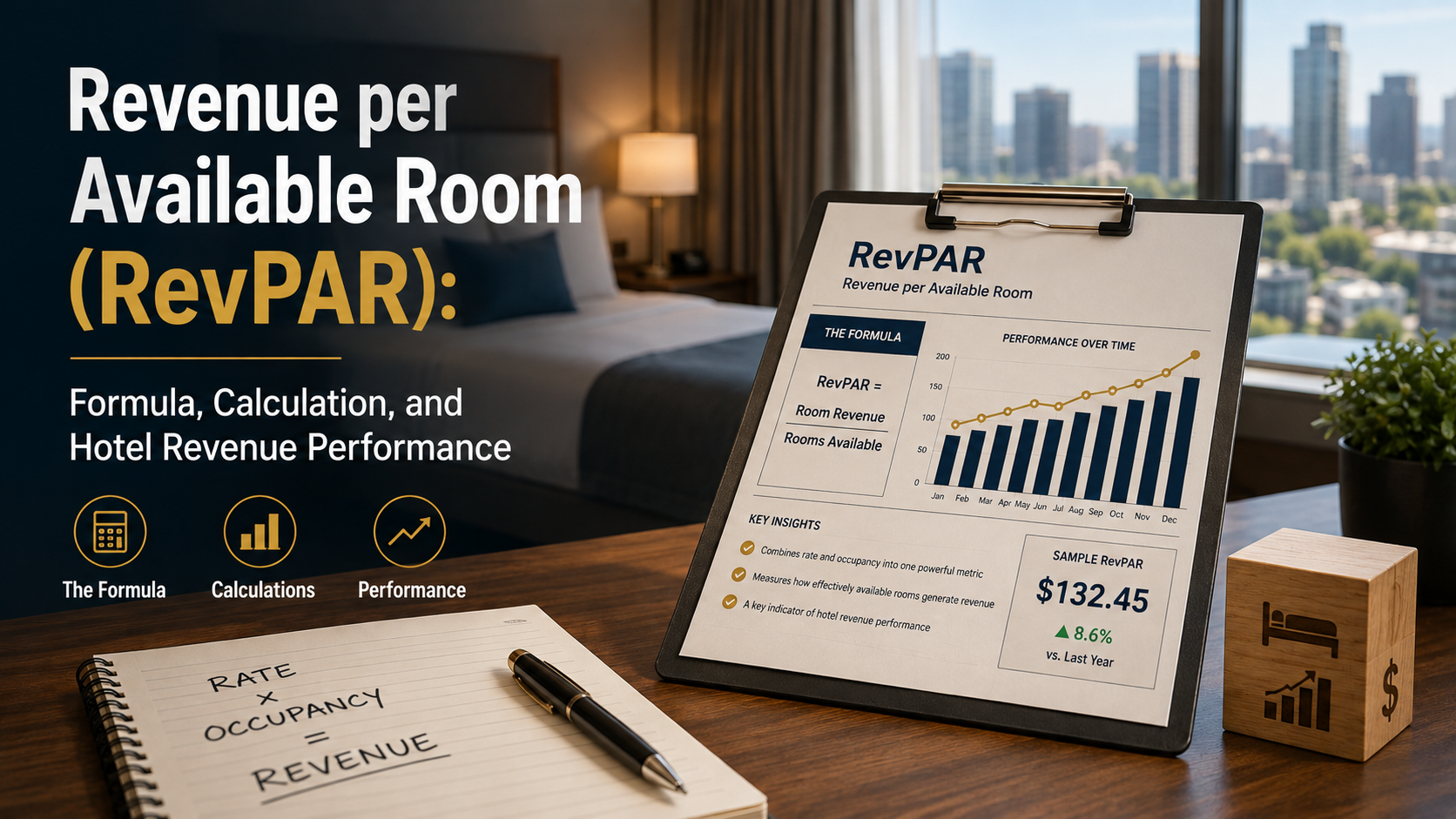
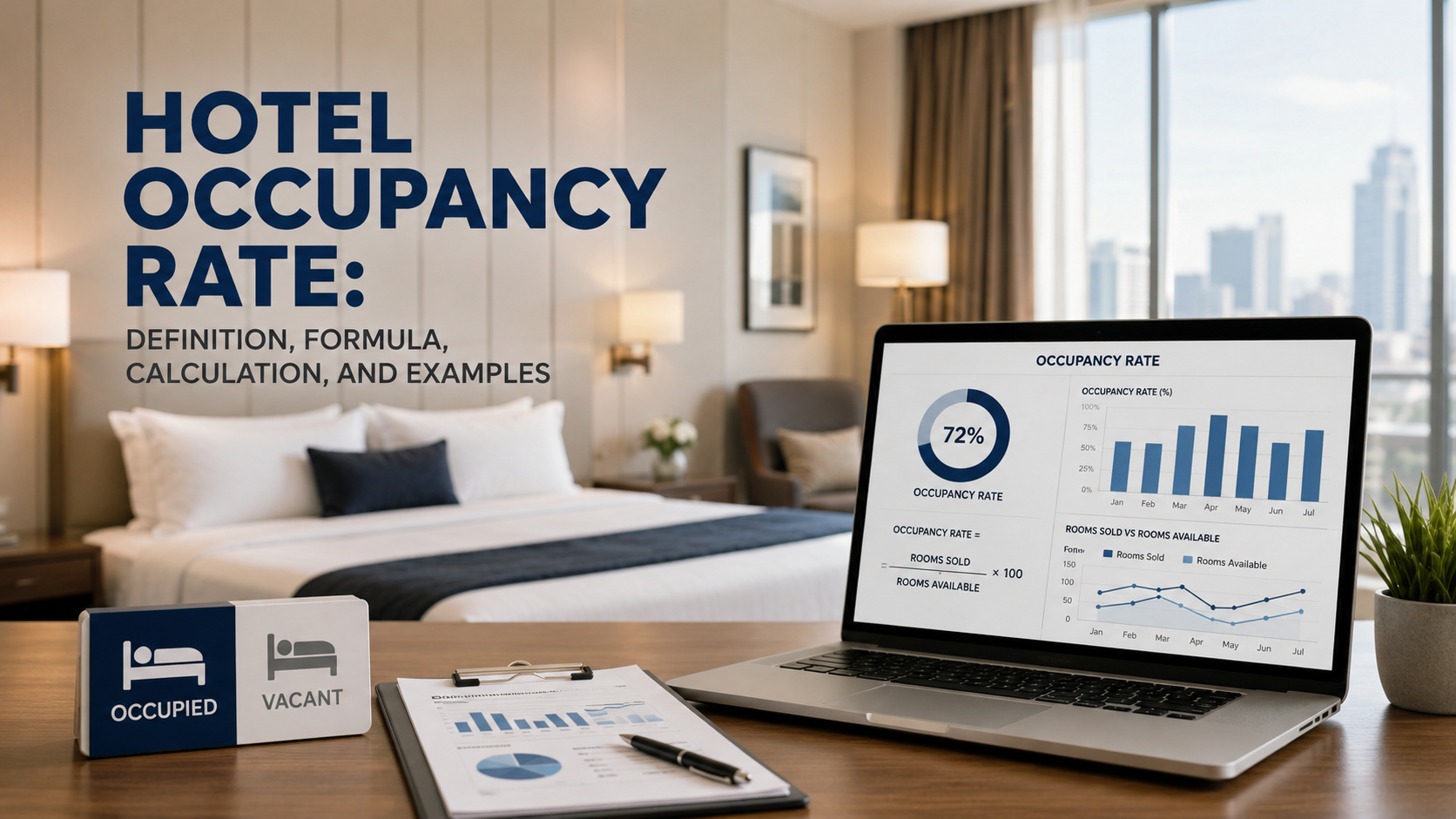
Hotel performance is measured through several core metrics that help owners and operators evaluate pricing, demand, revenue, and profitability. Average Daily Rate (ADR) measures the average room rate earned on occupied rooms, while Revenue per Available Room (RevPAR) combines room pricing and occupancy to provide a broader view of room revenue performance. Hotel Occupancy Rate measures the percentage of available rooms sold during a given period, and Hotel Net Operating Income (NOI) helps measure the property's profitability after operating expenses. Together, these metrics provide a clearer picture of a hotel's operational and financial performance.
Common Marketing Mistakes Boutique Hotels Should Avoid
- Competing purely on price
- Ignoring SEO
- Over-relying on OTAs
- Posting on social media without sa trategy
- Inconsistent brand messaging
- Treating marketing as a one-time project
A strong marketing strategy requires structure, data, and consistent execution.
Building a Sustainable Marketing System in Hospitality
Sustainable hospitality includes combining eco-friendly, socially conscious, and economically independent practices into the industry. According to Booking.com’s 2023 Sustainable Travel Report, which surveyed around 33,000 travelers around the world, 76% of them mentioned they would choose sustainable traveling in the next 12 months. (shms)
In modern hospitality, boutique hotels that win are those that systematize their approach. This requires not only structured marketing, but alignment with a boutique hotel operations framework that ensures consistent execution across guest experience, staffing, and performance systems.
Success requires:
- Clear brand positioning
- Strong digital infrastructure
- Search visibility on Google
- Strategic social media execution
- Public relations exposure
- Revenue alignment
- Ongoing performance insights
Independent hotels that commit to this framework create a competitive advantage without sacrificing identity.
Final Thoughts
A successful hotel marketing strategy for boutique hotels is not built on scale — it is built on clarity, differentiation, and alignment. By integrating SEO, social media, influencer marketing, public relations, and direct optimization into a cohesive system, boutique hotels can attract guests who value unique stays and personalized hospitality experiences.
When brand identity, local relevance, and revenue discipline work together, marketing boutique properties becomes a sustainable growth engine — not just a promotional function. Partnering with Roam Hospitality for expert boutique hotel management services helps ensure long-term success and optimized guest experiences.
More Recent Articles