Running a Boutique Hotel
Running a Boutique Hotel: Operations, Staffing, and Management Realities
By Elliott Caldwell —

Running a Boutique Hotel: Tips for Owning and Opening Your Hotel
The secret of
boutique hotel management is about providing customers with the added value they're looking for when they choose to stay at a smaller property. You want to give guests a reason to choose your hotel over the competition. Small, luxury or "boutique" should mean more personal, more unique amenities and better service, in addition to providing a one-of-a-kind experience. (MEWS)
If you’re interested in opening a boutique hotel or improving an existing property, here’s what it takes to run a thriving boutique hotel business.
Opening a Boutique Hotel: Bringing Your Vision to Life
Opening a boutique hotel is an opportunity to bring a vision to life. From curated design choices to personalized guest experiences, boutique hotels offer a level of individuality and charm that makes every stay memorable. Travelers today crave authentic and unique stays, and the numbers back it up: Grand View Research projects that the global boutique hotel market will surpass $40 billion by 2030. (canarytechnologies)
Key benefits of opening a boutique hotel include:
- Offering highly personalized guest experiences that larger hotels can’t provide
- Creating a property with a unique style and charm that reflects your vision
- Tapping into a rapidly growing boutique hotel market
- Positioning your property as both a creative passion project and a strategic opportunity for hotel owners
1. Understanding Guests for a Boutique Hotel
Successful management of a boutique hotel starts with understanding your guests. Today’s travelers value:
- Personalized service
- Comfort combined with stylish design
- Local culture and immersive experiences
- Seamless booking and digital convenience
Catering to these needs ensures high guest satisfaction and creates loyal repeat visitors. Focusing on guest experience is what makes independent boutique properties memorable.
2. Choosing the Right Hotel Location
A small hotel or boutique property’s location heavily influences bookings and revenue. Consider:
- Accessibility and nearby attractions
- Neighborhood safety and appeal
- How your location aligns with your unique concept
Choosing the right location supports your boutique hotel business plan and strengthens the overall experience for guests.
3. Creating a Unique Concept for Your Boutique Hotel
Every boutique hotel needs a clear, compelling identity. Ask yourself:
- What makes this property unique?
- What story does it tell?
- How do I want guests to feel?
Your concept should guide your décor, service, and branding. Examples include:
- Eco-friendly retreats emphasizing sustainability
- Art-focused or culturally immersive properties
- Luxury-on-a-budget or wellness-themed small hotels
A well-defined concept differentiates your boutique hotel from standard hotels in the hotel market.
Operations, Staffing, and Management Realities
Running a boutique hotel isn’t just about charm and décor—it’s about managing the daily realities of operations, staffing, and overall management. For hotel owners and managers, understanding these challenges is essential to delivering a smooth guest experience while keeping the business profitable.
Key aspects include:
- Staffing Challenges: Small boutique hotels often operate with a lean team, requiring staff to handle multiple roles. Recruiting and retaining trained personnel, managing turnover, and providing ongoing training are crucial to maintain consistent
service
standards.
- Scheduling and Operations: Coordinating shifts, housekeeping, front desk, and food & beverage services requires careful planning. Efficient scheduling ensures hands-on operations run smoothly without overworking staff or compromising guest satisfaction.
- Management Oversight:
Owners and managers must balance creative vision with operational discipline, including budgeting, inventory control, regulatory compliance, and monitoring performance metrics.
- Daily Problem-Solving: In a boutique
hotel, unexpected situations—from last-minute booking changes to maintenance issues—can arise daily. A proactive, flexible approach is essential to keep guests happy.
- Technology Integration: Leveraging modern hotel tech can simplify operations, streamline bookings, and free up managers to focus on the personalized guest experience that sets boutique hotels apart.
Understanding these realities helps hotel owners prepare for the complexities of running a boutique property, ensuring that both the experience for guests and the business operations are top-notch.
4. Daily Hands-On Operations in a Boutique Hotel
Running a boutique hotel successfully requires strong management and operational systems. Key areas include:
- Front Desk & Guest Services: Efficient check-in/check-out, concierge services, and guest communications
- Housekeeping & Maintenance: Clean, functional rooms with preventive maintenance
- Staff Training: Ensuring consistent service and a memorable guest experience
- Hotel Tech: Tools like a Property Management System (PMS), channel management, digital check-in, and automated messaging streamline
hands-on operations
Even small hotels benefit from integrating hotel tech, allowing managers and owners to focus on delivering personalized service rather than administrative tasks.
5. Enhancing Guest Experience in Your Boutique Hotel
Boutique hotels thrive on personal touches. Ways to improve guest experience include:
- Welcome amenities like snacks, drinks, or handwritten notes
- Curated local recommendations or tours
- Thoughtfully designed rooms and communal areas
Design the full guest journey from booking to post-stay follow-up. Exceptional service ensures positive reviews, repeat stays, and higher revenue, which is the core of revenue management for a boutique property.
6. Hotel Marketing and Online Presence
A strong online presence is essential for boutique hotels. Consider:
- Professional websites with high-quality images
- Active social media to highlight your unique property
- Listing on platforms like Booking.com, Airbnb, and Google Travel
- Basic SEO and hotel marketing strategies
- Responding to guest reviews to maintain high guest satisfaction
Effective online marketing attracts the right guests and reinforces your boutique hotel business plan.
7. Revenue Management Strategies for Boutique Hotels
Boutique hotel owners can increase profitability by going beyond room revenue:
- Food and beverage services
- Spa treatments or wellness packages
- Event hosting or local experiences
- Upsells such as romantic packages or curated tours
Strong revenue management ensures your boutique hotel remains profitable even in off-peak seasons.
8. Maintaining Reputation and Continuous Learning
Online reputation is critical in the hotel business. Hotel managers and owners should:
- Monitor reviews across all platforms
- Address guest concerns promptly
- Use feedback to improve service and
operations
Keeping up with trends like sustainability, smart hotel tech, and wellness travel helps your boutique hotel stay competitive and deliver exceptional guest satisfaction.
Understanding Key Hotel Performance Metrics
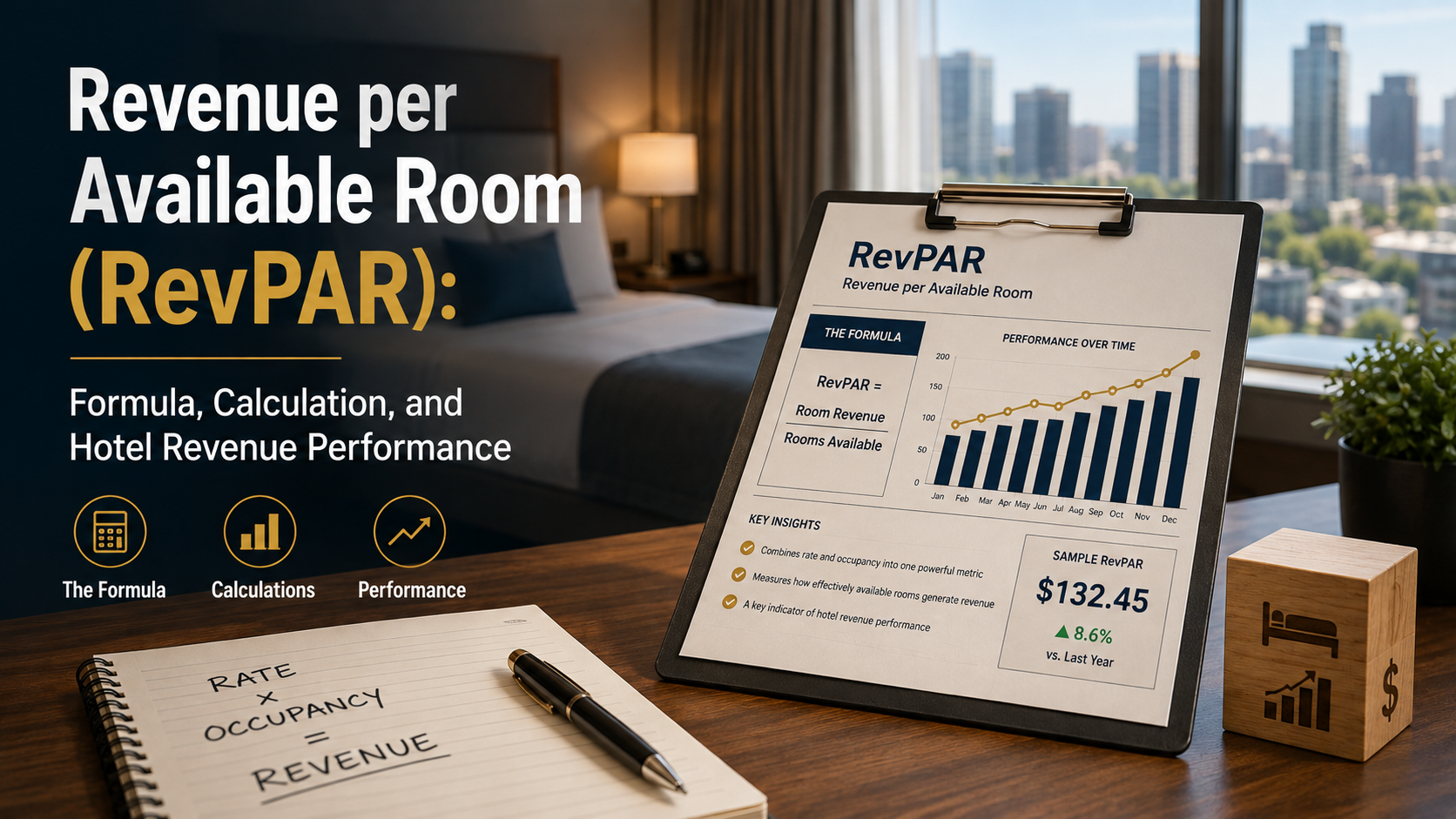
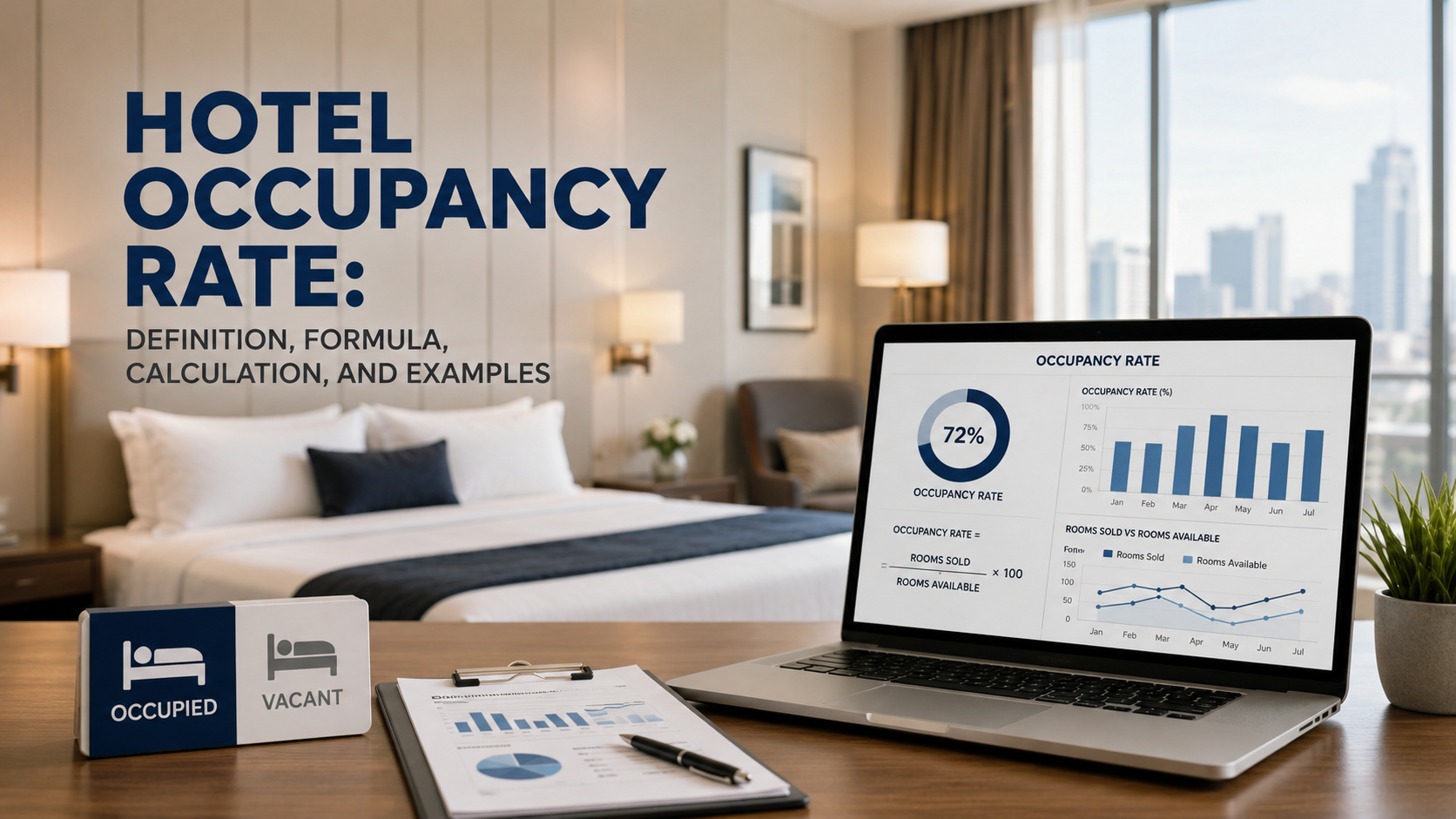
Hotel performance is measured through several core metrics that help owners and operators evaluate pricing, demand, revenue, and profitability. Average Daily Rate (ADR) measures the average room rate earned on occupied rooms, while Revenue per Available Room (RevPAR) combines room pricing and occupancy to provide a broader view of room revenue performance. Hotel Occupancy Rate measures the percentage of available rooms sold during a given period, and Hotel Net Operating Income (NOI) helps measure the property's profitability after operating expenses. Together, these metrics provide a clearer picture of a hotel's operational and financial performance.
Conclusion: Running a Boutique Hotel Successfully
Running a boutique hotel successfully combines creativity, operational skill, and a focus on guest experience. From location and concept to hotel marketing, hands-on operations, and revenue management, every element matters.
For hotel owners and managers, the goal is to provide a unique experience that makes guests feel valued while maintaining efficiency and profitability. Partnering with experts like Roam Hospitality and leveraging professional Boutique Hotel Management Services can help streamline operations, optimize revenue, and enhance overall guest satisfaction.
By carefully planning, staying adaptable, and embracing modern hotel tech, a boutique hotel business can thrive in a competitive hotel market while delivering exceptional service and unforgettable experiences.
More Recent Articles