When Boutique Hotels Outgrow Self-Management
When Boutique Hotels Outgrow Self-Management
By Elliott Caldwell —

When To Hire a Boutique Hotel Management Company
When Boutique Hotels Outgrow Self-Management
Self-managing a boutique hotel can be rewarding in the early stages. Owners maintain creative control, build personal relationships with guests, and closely oversee
daily operations. But as a property becomes more successful, growth often brings operational complexity that makes self-management increasingly difficult—and sometimes costly.
Here’s how to recognize when a boutique hotel has outgrown self-management and why professional management may become the smarter path forward.
Operations Are Consuming All Owner Time for Independent Owners of a Boutique Hotel
Guest Experience Starts to Slip in Boutique Hotels
Boutique hotels rely heavily on reputation and
personalized service. When management becomes overwhelmed, guest experience can suffer—longer response times, maintenance delays, or inconsistent service standards. Even small lapses can impact online reviews and repeat bookings.
As competition in the hotel industry intensifies, travelers expect boutique hospitality experiences that feel effortless and attentive. When service gaps appear, even loyal travelers may choose other boutique properties offering smoother stays. Ensuring consistent service across all guest touchpoints requires dedicated oversight, something that becomes harder as operations scale and more properties or services are added.
Guest Experience Starts to Slip in Boutique Hotels
“Today’s guests expect personalized experiences and seamless interactions. They want convenience, customization, and responsiveness at every stage of their journey. Meeting these expectations can be challenging, especially for properties still relying on traditional methods” (Hotel-Online)
Guest Experience Starts to Slip in Boutique Hotels
Boutique hotels rely heavily on reputation and personalized service. When management becomes overwhelmed, guest experience can suffer—longer response times, maintenance delays, or inconsistent service standards. Even small lapses can impact online reviews and repeat bookings.
As competition in the hotel industry intensifies, travelers expect boutique hospitality experiences that feel effortless and attentive. When service gaps appear, even loyal travelers may choose other boutique properties offering smoother stays. Ensuring consistent service across all guest touchpoints requires dedicated oversight, something that becomes harder as operations scale and more properties or services are added.
Revenue Management Becomes More Complex in a Growing Hotel
“Revenue management is essential for any hotel today. Without it, your business is essentially forfeiting the ability to boost bookings, revenue and profit, offer competitive rates and promotions, and forecast effectively.” (Siteminder)
Revenue Management Becomes More Complex in a Growing Hotel
Pricing rooms effectively now requires constant market monitoring, competitor analysis,
seasonal forecasting, and
dynamic pricing tools. Owners without specialized
revenue management expertise may miss opportunities to maximize occupancy and average daily rates.
Modern hotel operations increasingly rely on specialized revenue managers who analyze trends, competitor performance, and booking patterns across the broader hotel sector. Without expert support, boutique hotel operators may struggle to adjust pricing quickly enough to capture demand shifts. Effective revenue planning also involves optimizing channel distribution strategies and understanding traveler behavior across booking platforms, tasks that grow more complicated as the business expands.
Staff Management Gets Complicated Across the Hospitality Team
Staff Management Gets Complicated Across the Hospitality Team
Hiring, training, scheduling, payroll, and retention become more demanding as the property grows. Boutique hotels thrive on service quality, but high turnover or inconsistent training can damage the guest experience.
As staffing needs expand, independent owners often find themselves acting as recruiters, trainers, and HR managers simultaneously. This added responsibility can strain leadership teams and reduce time available for strategic planning. Maintaining strong hospitality standards across departments becomes particularly difficult when seasonal hiring fluctuates or when multiple properties require coordinated staffing support.
Marketing Needs Become More Advanced
Marketing Needs Become More Advanced
Modern hospitality marketing includes SEO, paid ads, OTA management, social media strategy, email campaigns, and reputation management. Managing all these channels while running operations can overwhelm small teams.
As boutique hotels compete with larger brands and luxury chains, owners must maintain a consistent presence across digital platforms to remain visible. Marketing efforts also need to coordinate with booking channels and online distribution partners to ensure availability and pricing accuracy. Without structured marketing strategies, even well-designed boutique properties may struggle to maintain occupancy despite offering excellent experiences.
Maintenance and Compliance Expand Under Boutique Hotel Management
Maintenance and Compliance Expand Under Boutique Hotel Management
As properties age or expand, maintenance demands increase. At the same time, safety regulations, licensing, and local compliance requirements become more complex and time-consuming.
Owners managing multiple properties often find that maintenance coordination becomes one of the biggest operational burdens. Unexpected repairs, inspections, and renovation cycles can interrupt daily workflows and affect guest satisfaction if not handled quickly. Many growing operators eventually rely on professional property managers to oversee maintenance scheduling and vendor coordination, allowing the business to operate more smoothly as scale increases.
“Implementing a proactive maintenance program, closely monitoring guest feedback, and promptly resolving any issues that arise are key to maintaining a positive guest experience. Complying with health and safety regulations further ensures the well-being of guests and staff.”(hotelweb)
Growth Opportunities Go Unexplored at a Scaling Hotel
Growth Opportunities Go Unexplored at a Scaling Hotel
When owners are trapped in daily operations, they often miss opportunities to expand, renovate, or
optimize profitability. Professional management can free owners to focus on
long-term vision rather than daily problem-solving.
In a competitive industry, successful expansion often requires strategic partnerships, brand positioning, and careful evaluation of new markets. Boutique hotels that once thrived through hands-on management may struggle to pursue new opportunities when operational challenges consume leadership attention. By stepping back from daily pressures, owners can better evaluate how to grow within the evolving hospitality landscape while maintaining the unique identity that sets their property apart.
Why Professional Management Helps
A
professional hotel management company brings specialized expertise, established systems, marketing resources, and operational efficiencies that boutique hotels often struggle to maintain alone. With the
right partner, owners can maintain brand identity while
improving profitability and guest satisfaction.
Professional management teams also help streamline performance tracking, staffing processes, and operational systems across multiple boutique properties, allowing independent hotel operators to compete more effectively in today’s market. By balancing operational excellence with strong hospitality values, owners can scale confidently while ensuring each guest experience continues to reflect the personality and charm that define boutique hospitality.
Understanding Key Hotel Performance Metrics
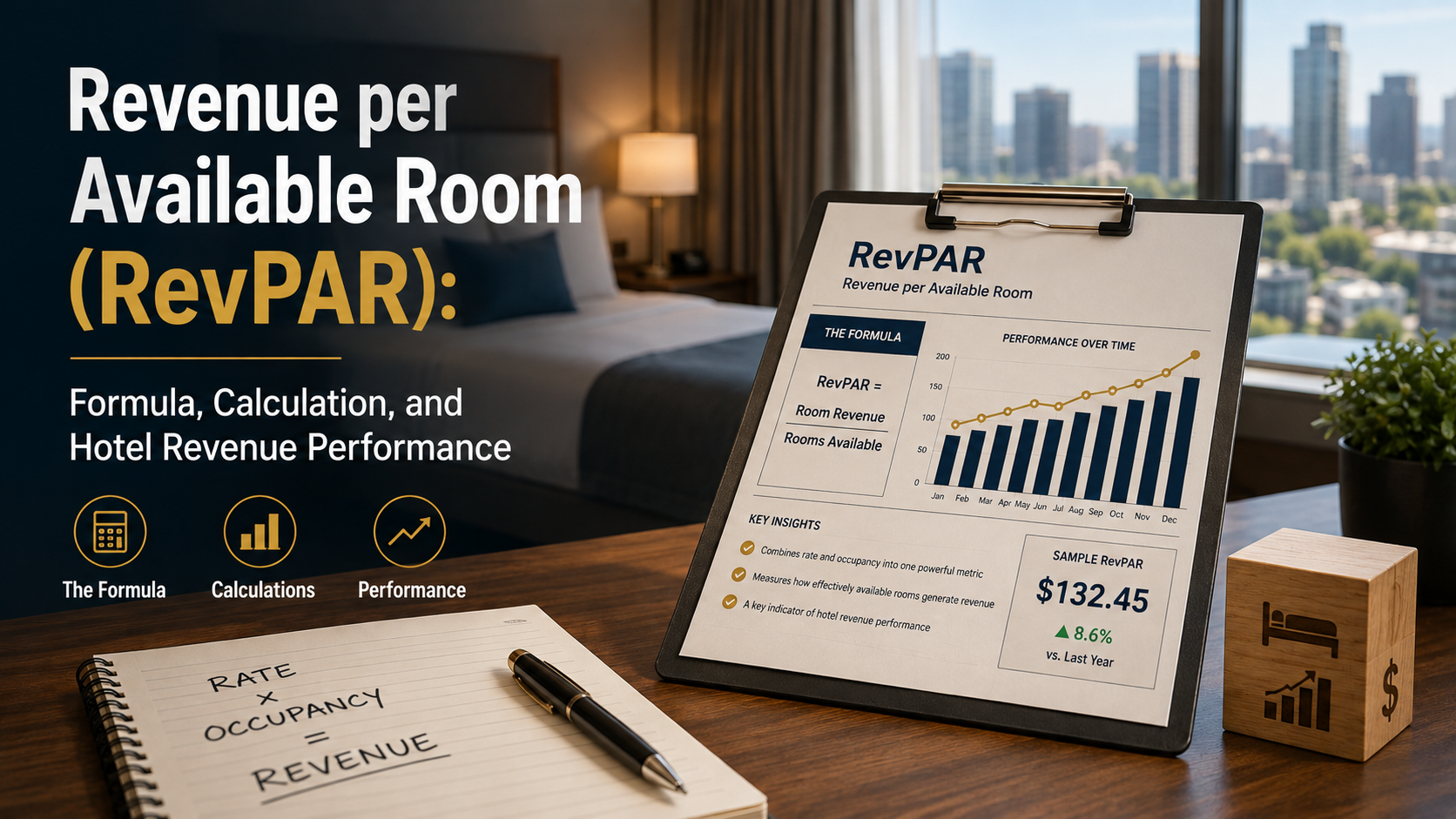
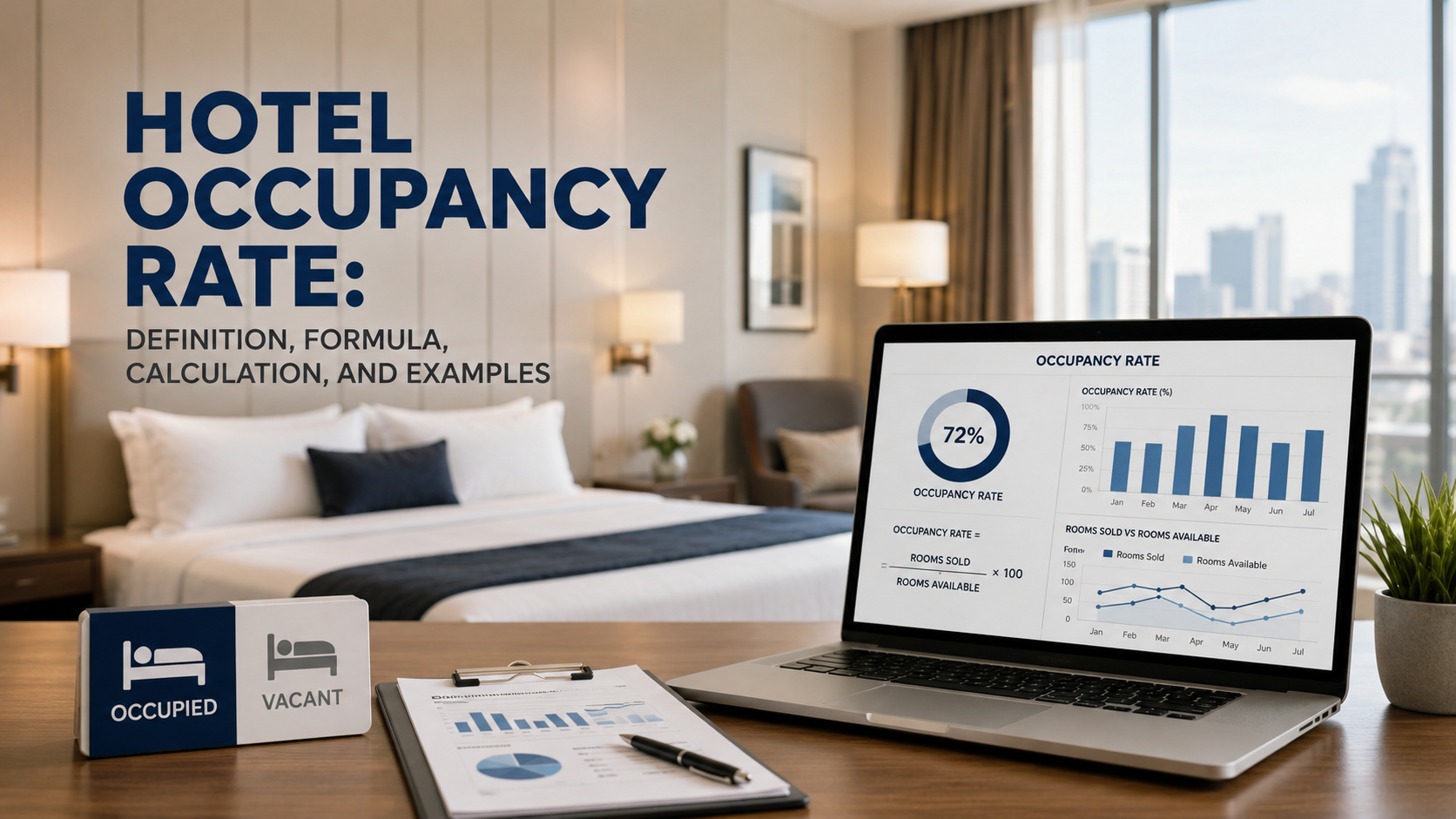
Hotel performance is measured through several core metrics that help owners and operators evaluate pricing, demand, revenue, and profitability. Average Daily Rate (ADR) measures the average room rate earned on occupied rooms, while Revenue per Available Room (RevPAR) combines room pricing and occupancy to provide a broader view of room revenue performance. Hotel Occupancy Rate measures the percentage of available rooms sold during a given period, and Hotel Net Operating Income (NOI) helps measure the property's profitability after operating expenses. Together, these metrics provide a clearer picture of a hotel's operational and financial performance.
Final Thoughts
Travelers and guests increasingly choose boutique hotels for their unique character, personalized service, and authentic experiences. By partnering with professional Roam Hospitality, and leveraging comprehensive
hotel management services
Independent owners can ensure their properties maintain these high standards while optimizing operations, revenue, and marketing. With expert support, boutique hotels can continue delivering the distinctive experiences guests expect—while growing successfully in today’s competitive hospitality sector.
More Recent Articles