How Boutique Hotels Can Increase Revenue
How Boutique Hotels Can Increase Revenue: Boutique Hotel Marketing Tips
By Elliott Caldwell —

How Boutique Hotels Can Increase Revenue: Must-Use Boutique Hotel Marketing Tips
Travelers today seek more than just a place to sleep—they want personalized, authentic, and memorable experiences. Boutique hotels, as a growing segment of the hospitality market, face the challenge of growing revenue while maintaining the distinctive atmosphere and guest experience that sets them apart. Professional hotel management services and tailored solutions help boutique properties achieve this balance, ensuring profitability without compromising uniqueness.
From a business perspective, this shift creates an opportunity for boutique hotels to rethink revenue management strategies by aligning financial decisions with guest expectations, experience, and long-term revenue growth rather than short-term volume.
Understand Your Boutique Hotel’s Unique Value Proposition
Every boutique hotel has a story—signature design, local partnerships, or distinct service style. Clearly defining and communicating this identity is key to attracting high-value guests willing to pay for memorable experiences during their stay.
Key takeaways:
- Define your boutique hotel’s story to attract experience-driven guests.
- Align operations and revenue management strategies with your unique identity.
- Use hotel management services and operational solutions to ensure every initiative reinforces your brand.
The boutique hotel segment is growing fast: valued at USD 26.67B in 2024 and projected to reach USD 50.06B by 2034, reflecting strong demand for personalized, immersive stays. Leisure travelers account for most revenue, with Millennials and Gen Z driving trends for hotels with character, cultural relevance, and curated experiences. (ZION)

Diversify Revenue Streams Without Compromising Experience
Boutique hotels can increase revenue streams by offering curated packages like wellness programs, local experiences, or exclusive events. Additional opportunities include premium in-room amenities, guided tours, and partnerships with local vendors.
Key takeaways:
- Offer curated experiences to increase revenue and guest satisfaction.
- Partner with local vendors to enhance market-driven experiences.
- Leverage hotel management services and tailored solutions for smooth, consistent execution.
Professional management firms, such as Roam Hospitality, help boutique properties implement these offerings efficiently, ensuring they add value without overcomplicating operations. Rising direct booking channels and growth in North America and Asia-Pacific create further revenue opportunities while preserving a hotel’s boutique hotel identity.
Using Personalized Service and Experience to Increase Hotel Revenue
Personalized service drives loyalty, repeat bookings, and guest satisfaction. Boutique hotels can track guest preferences and deliver tailored touches such as welcome gifts, curated mini-bars, or personalized itineraries in each room. (MEWS)
Key takeaways:
- Track preferences for repeat visits and tailored experiences.
- Train staff to anticipate needs and maintain high-touch service.
- Use management systems and solutions to scale personalization efficiently across multiple rooms.
These personalized touches directly support revenue management goals and can significantly boost hotel revenue by increasing loyalty, improving conversion, and helping boutique hotels increase sales without relying on aggressive discounting.
Leveraging Atmosphere, Event Space, and Design for Additional Revenue
A boutique hotel’s atmosphere is a strategic asset. Design, décor, and curated spaces enhance marketing, encourage social sharing, and support revenue-generating events such as workshops or private dinners.
Seasonal or themed programs can boost occupancy during slower periods, creating additional hotel revenue from events, workshops, and private bookings.
Key takeaways:
- Highlight unique design and curated spaces to create memorable experiences in every room.
- Use spaces for revenue-generating events or seasonal programs.
- Partner with hotel management services to maximize atmosphere as a business asset using expert solutions.
Management services help boutique hotels optimize space for guest satisfaction and profitability.
Implement Smart Operational Strategies
Operational efficiency supports revenue growth while maintaining high-quality experiences. Technology and management systems streamline booking, staffing, pricing, and guest feedback while keeping service personalized across all rooms.
Key takeaways:
- Optimize operations with tech while maintaining personal service.
- Monitor KPIs like occupancy, ADR, and ancillary revenue to guide strategic decisions.
- Use hotel management services and operational solutions to ensure efficiency and revenue growth.
Tracking KPIs like occupancy, ADR, and ancillary revenue ensures strategies are data-driven. Professional management partners can implement these systems without compromising boutique identity. (FHA)
Boutique Hotel Marketing Tips
Boutique hotel marketing works best when it highlights experience, atmosphere, and personalized service rather than competing with traditional hotels on price or scale. Clear positioning attracts guests who value quality, intention, and memorable stays, driving stronger revenue without diluting identity.
Key takeaways:
- Lead with experience and atmosphere, not generic amenities.
- Use storytelling and visuals to reflect the boutique hotel’s unique identity.
- Prioritize direct bookings and curated packages to protect margins.
With support from experienced hospitality partners like Roam Hospitality, boutique hotels can align marketing efforts with on-property delivery—ensuring that what’s promised to guests translates into consistent experiences and sustainable revenue growth using strategic solutions.
Marketing That Highlights a Boutique Hotel’s Unique Identity
Marketing reinforces identity and drives bookings. Sharing a property’s story, local partnerships, and curated experiences positions the boutique hotel as a destination, not just lodging.
Key takeaways:
- Highlight the boutique hotel’s story and unique experiences to attract target guests.
- Align marketing with operational capabilities for consistent execution.
- Leverage hotel management services and operational solutions to implement campaigns efficiently.
Management services ensure marketing strategies align with operations, delivering consistent, memorable guest experiences that build loyalty and revenue.
Understanding Key Hotel Performance Metrics
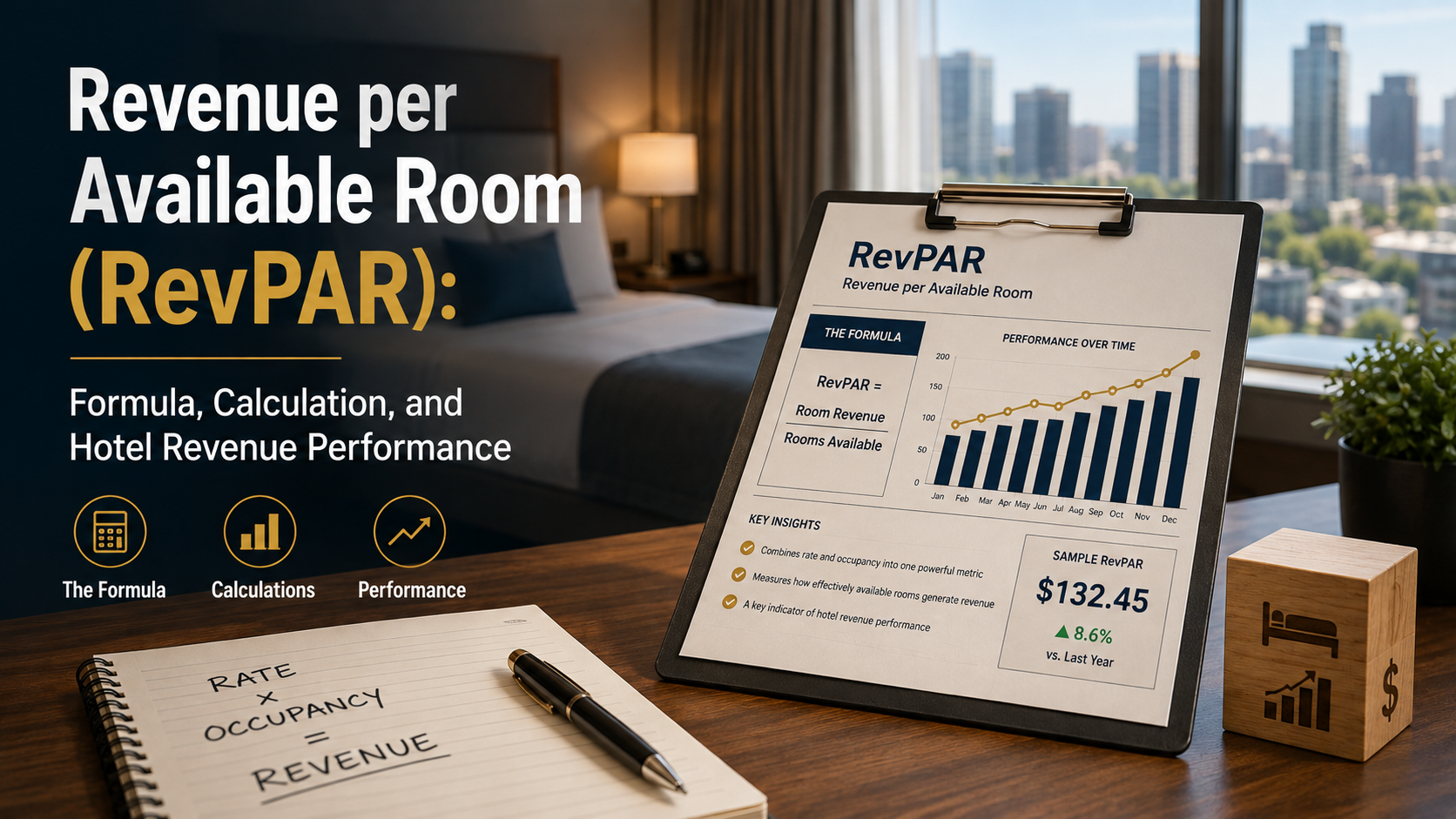
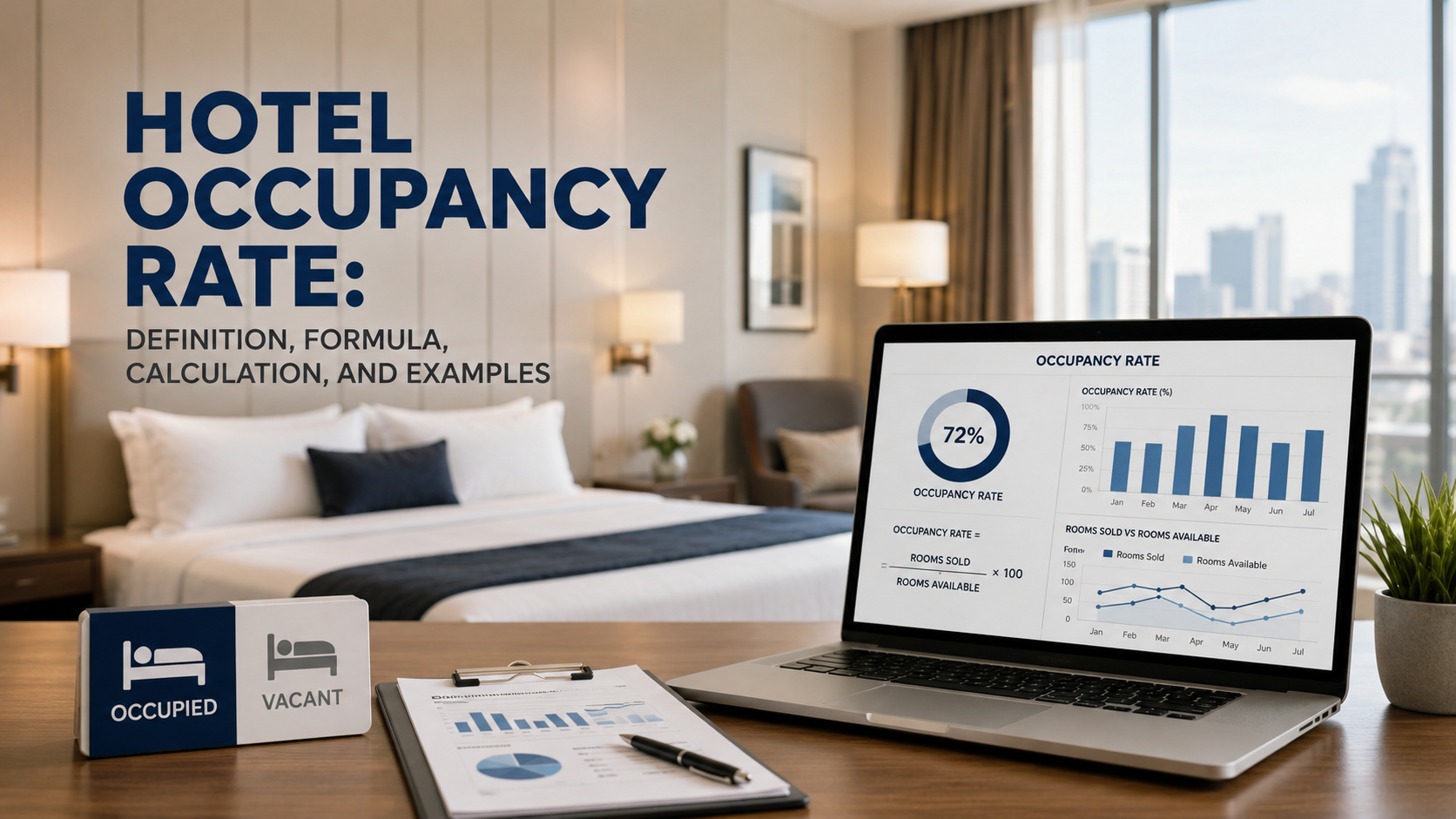
Hotel performance is measured through several core metrics that help owners and operators evaluate pricing, demand, revenue, and profitability. Average Daily Rate (ADR) measures the average room rate earned on occupied rooms, while Revenue per Available Room (RevPAR) combines room pricing and occupancy to provide a broader view of room revenue performance. Hotel Occupancy Rate measures the percentage of available rooms sold during a given period, and Hotel Net Operating Income (NOI) helps measure the property's profitability after operating expenses. Together, these metrics provide a clearer picture of a hotel's operational and financial performance.
Final Thoughts
Revenue growth and a boutique hotel’s unique identity can go hand in hand. By focusing on personalized service, curated experiences, distinctive atmosphere, and operational efficiency, boutique hotels can thrive financially while preserving the elements that make them special. Leveraging professional hotel management services, such as Roam Hospitality, ensures these strategies are executed effectively and consistently.
With expert
hotel management support, boutique properties can maximize revenue, delight guests in every room, and maintain their unique identity in a competitive market across destinations in
California,
New York,
and
Texas. By combining experience-led strategy, pricing discipline, and comprehensive operational support, boutique hotels can significantly boost revenue while safeguarding the characteristics that make them stand out.
More Recent Articles