Adaptive Reuse Boutique Hotels
Adaptive Reuse Boutique Hotels: Transforming Old Spaces into Unique Stays
By Elliott Caldwell —
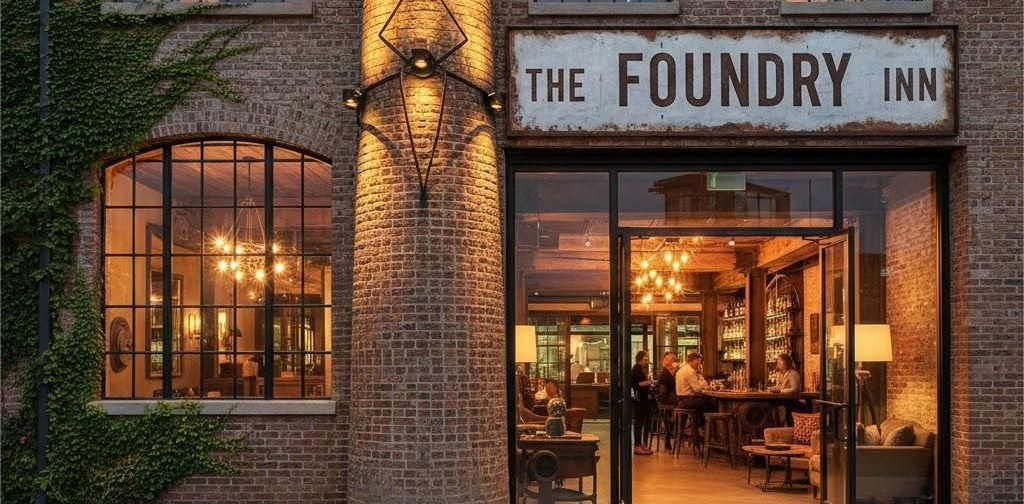
Adaptive Reuse Boutique Hotels: Historic Buildings Reimagined for Modern Luxury
Looking for a unique getaway that blends history, charm, and modern luxury? Adaptive reuse boutique hotels are the perfect choice. These projects transform older buildings and underutilized commercial structures into stunning retreats while preserving their unique character.
Whether it’s a vacant building, a historic mansion, or an old warehouse, adaptive reuse preserves history while creating sustainable built environments that guests can enjoy.
What Is Adaptive Reuse in Historic Preservation?
Adaptive reuse is the process of transforming an existing building into a new, functional space while preserving its original historic structure. Instead of demolishing older buildings, developers convert them into modern boutique hotels—keeping their character, craftsmanship, and cultural identity intact.
This approach blends historic preservation, thoughtful design, and sustainable architecture, allowing historic buildings to be reborn as stunning hospitality experiences. Through reuse architecture, these once vacant buildings or underutilized commercial structures become meaningful spaces that enrich local communities.
Why Stay in an Old House or Historic Building?
Staying in a historic building offers more than just a place to sleep. Guest's experience:
- Timeless Design: Each room can showcase original woodwork, brick walls, or antique details alongside modern interiors.
- Cultural Charm: Adaptive reuse projects often highlight the building’s history, making every corner of the property an engaging story.
- Sustainable Built Practices: Reusing vacant buildings reduces waste and promotes environmentally friendly practices.
As one expert puts it: “The largest trend in hospitality is that people want authentic spaces.” This insight underlines why adaptive reuse boutique hotels are becoming more popular — they deliver authenticity, character, and a sense of place that new builds rarely match.
How Reuse Architecture Shapes Boutique Hotel Design
The concept of reuse architecture allows designers to retain historic charm while introducing creative elements:
- Structural Integrity:
Original beams, floors, and facades become focal points.
- Innovative Spaces: Former
underutilized commercial buildings
can host restaurants, event spaces, or lounges.
- Modern Amenities:
Plumbing, lighting, and technology are updated to meet today’s standards without sacrificing character.
As highlighted by a design firm involved in hotel conversions, converting historic buildings into hotels “provides access to a place of historic importance that otherwise would not be experienced,” turning legacy structures into vibrant hospitality destinations.
This approach combines historic preservation with thoughtful design, creating boutique hotels that feel authentic, luxurious, and memorable.
Why Adaptive Reuse Boutique Hotels Are Growing in Popularity
Adaptive reuse aligns with what travelers want today—authenticity, culture, and sustainability.
1. Preserving Local History Through Reuse Architecture
Adaptive reuse boutique hotels protect architectural heritage by keeping original materials, façades, and historical design elements. These historic structures become living archives of a city’s story, creating immersive guest experiences that modern construction simply can’t replicate.
2. Supporting the Sustainable Built Environment
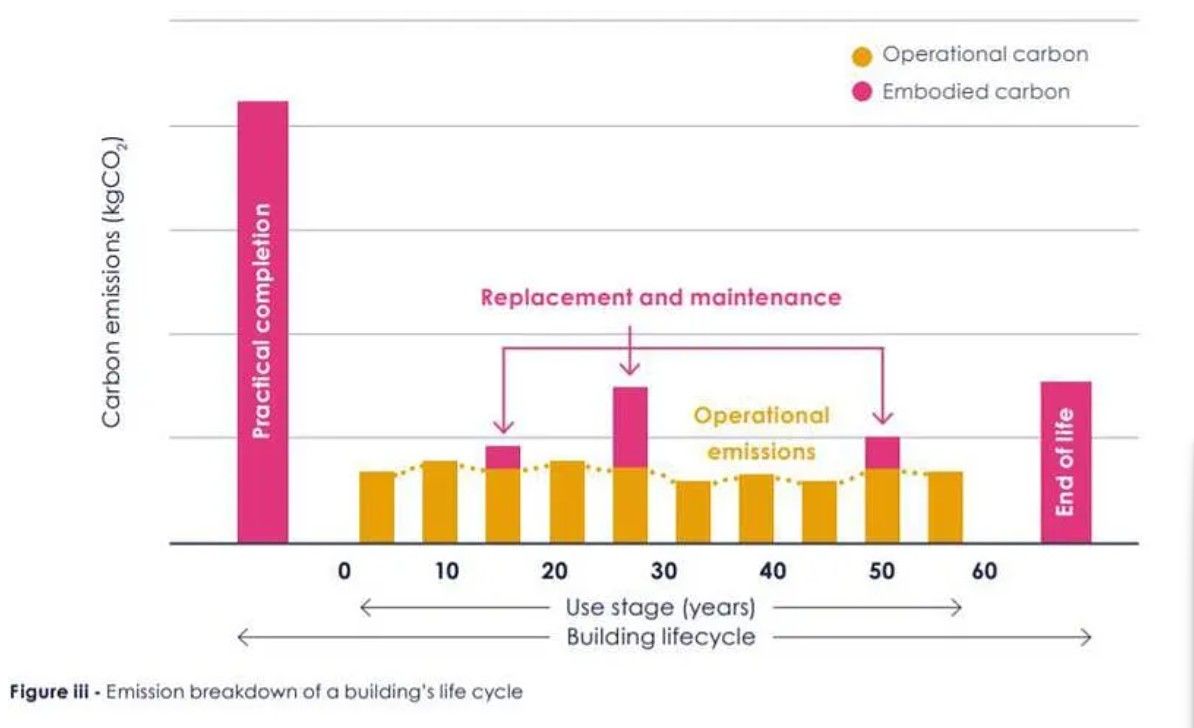
Building reuse significantly reduces waste, carbon emissions, and resource consumption. Instead of tearing down older buildings and starting new construction, adaptive reuse minimizes environmental impact and improves overall sustainability in the built environment.
3. Revitalizing Communities and Older Structures
Turning reused buildings into boutique hotels breathes new life into neighborhoods. Vacant buildings, forgotten warehouses, and underutilized commercial spaces become economic engines—boosting tourism, walkability, and community pride.
4. Faster and More Cost-Effective Than New Construction
Developers increasingly favor adaptive reuse because:
- The structure is already built
- Timelines are shorter
- Costs are more predictable
- Zoning
sometimes becomes easier
This makes adaptive reuse especially valuable in dense urban areas with limited land.
Expert Insights Supporting the Rise of Adaptive Reuse
1. Bruce Ford — (Senior Vice President for Lodging Econometrics (LE)
Bruce Ford highlights significant growth in the hotel development pipeline. While he does not directly endorse adaptive reuse, his analysis shows that market demand for hospitality growth encourages developers to explore creative strategies—adaptive reuse being one of the most efficient. (Sources: Hospitality Design, Lodging Econometrics)
2. Urban Land Institute (ULI) – Adaptive Reuse Report
ULI’s studies reveal that adaptive reuse improves community character, reduces environmental impact, and often outperforms ground-up projects in long-term cultural and economic returns. (Source: Urban Land Institute)
3. National Trust for Historic Preservation
The National Trust emphasizes that adaptive reuse is one of the most impactful ways to protect architectural heritage while contributing to sustainability initiatives. Their research shows that reusing existing structures saves up to 50–75% of embodied carbon compared to new construction. (Source: National Trust for Historic Preservation)
Real Benefits of Adaptive Reuse Boutique Hotels
- They help cities maintain architectural identity
- They reduce demolition waste and environmental impact
- They make hospitality more unique and experiential
- They convert forgotten structures into high-value destinations
- They strengthen surrounding communities by boosting local business activity
Guests enjoy authenticity. Developers enjoy faster timelines and
strong ROI. Cities enjoy preserved heritage.
Everyone wins.
Conclusion: The Future of Boutique Hospitality Is Built on the Past
Adaptive reuse boutique hotels show how historic buildings can be transformed into modern luxury stays without losing their identity. By combining reuse architecture, sustainable design, and smart construction, these projects create meaningful, culturally rich hospitality spaces that benefit both travelers and local communities.
And with brands like Roam Hospitality championing innovative, sustainability-focused reuse projects, the movement is only growing stronger.
If you want a boutique stay that blends history with modern comfort, adaptive reuse hotels offer the perfect experience—where every room tells a story.
More Recent Articles