How to Buy a Boutique Hotel
How to Buy a Boutique Hotel: Step-by-Step Investment Guide
By: Menandro Bacalangco Jr. | December 05, 2025

How to Buy a Boutique Hotel: The Complete CRE Guide for Investors
Buying a boutique hotel blends creativity, lifestyle freedom, and strong long-term investment potential. These uniquely designed hospitality properties offer higher guest satisfaction, premium ADRs, and niche market demand. But purchasing one requires careful planning, thorough due diligence, smart analysis of hotel listings, and a strong understanding of financing options for boutique hotels.
This guide walks you through every step of buying a boutique hotel — from researching the market, evaluating investment opportunities, assessing the property, negotiating the deal, and closing the sale. It’s a complete guide for investors looking to explore boutique hotel investment.
1. Understanding the Boutique Hotel Market
Before buying any hospitality property, you must analyze the local hotel market conditions. Boutique hotels succeed when they serve a specific niche and provide an elevated guest experience.
What Drives Boutique Hotel Success:
- Strong tourism demand
- Walkable, high-traffic locations
- Proximity to attractions, dining, and retail
- Unique branding and design
- Exceptional service that differentiates from chain hotels
The boutique hotel segment thrives because travelers increasingly prefer unique stays over standardized experiences. This creates excellent investment opportunities for creative, design-driven owners. Understanding the market ensures that your hotel investment will perform well and attract repeat guests.
2. Types of Hotels: Why Boutique Hotels Stand Out
Hotels come in many types — luxury, resort, extended stay, midscale, economy, and boutique. Boutique hotels offer something special in terms of design, service, and guest experience.
Characteristics of Boutique Hotels:
- 10 to 100 guest rooms
- Distinctive architectural character
- Curated interior design
- High emphasis on personalized service
- Strong brand storytelling
- Often includes an owner's quarter for on-site management
When evaluating a potential boutique property, look for uniqueness, quality, and potential to elevate the guest experience. This is crucial for boutique hotel investment.
3. Key Financial Metrics & Performance Analysis
Before making an offer, review the financial health of the property using core hospitality metrics. Boutique hotel investors should pay close attention to:
Essential Hotel Investment Metrics:
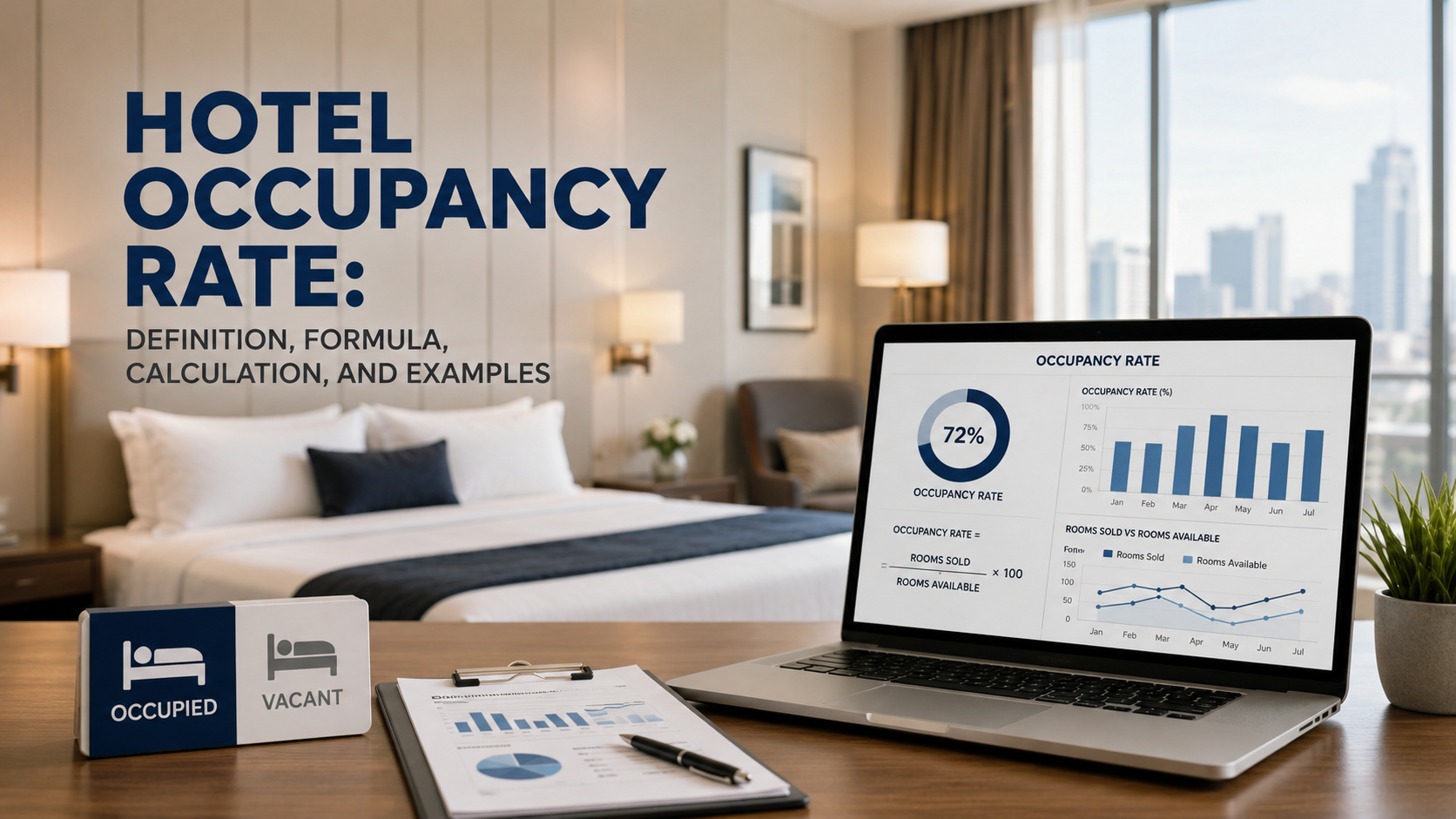
- Occupancy Rate
- ADR (Average Daily Rate)
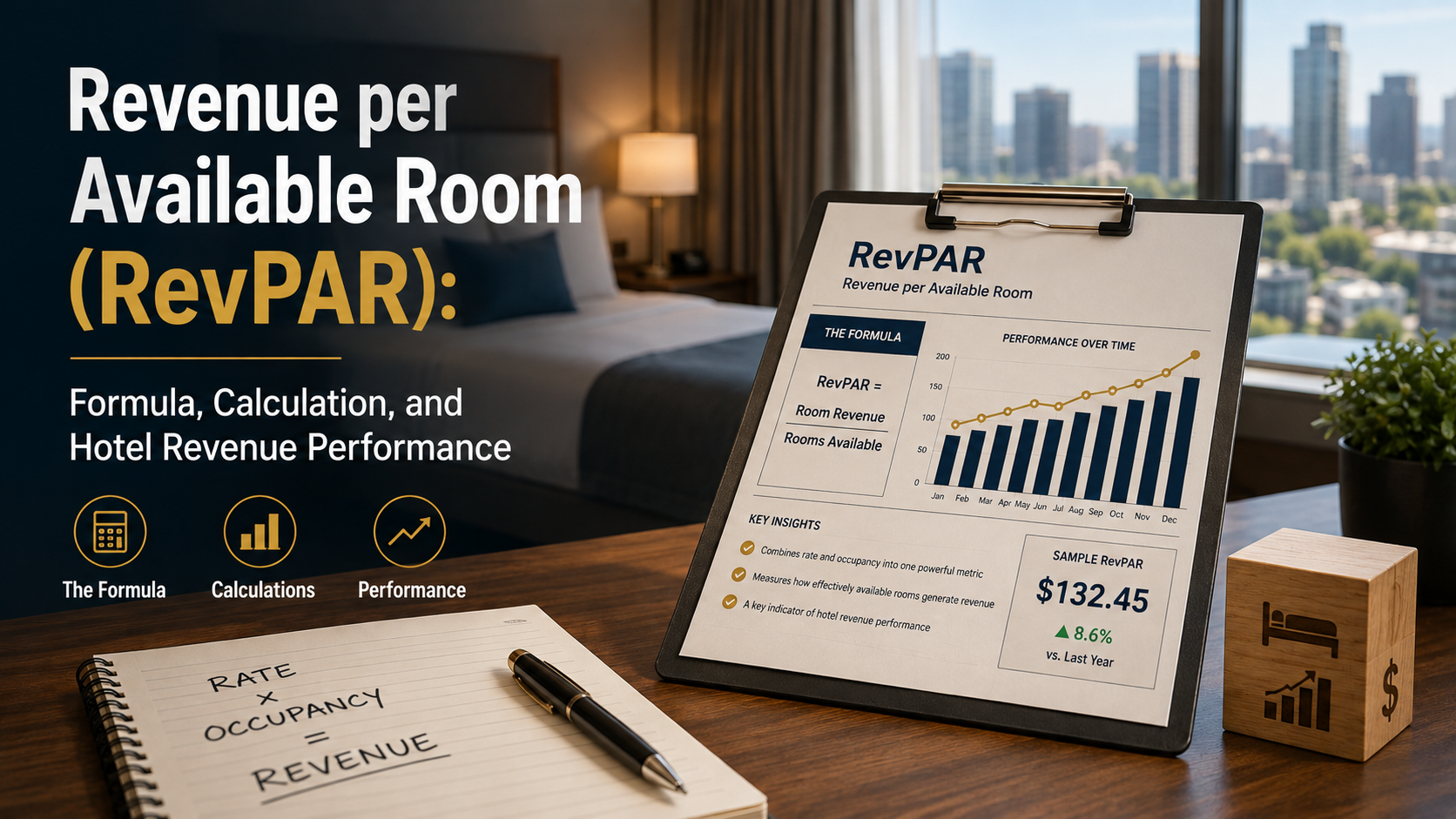
- RevPAR (Revenue per Available Room)
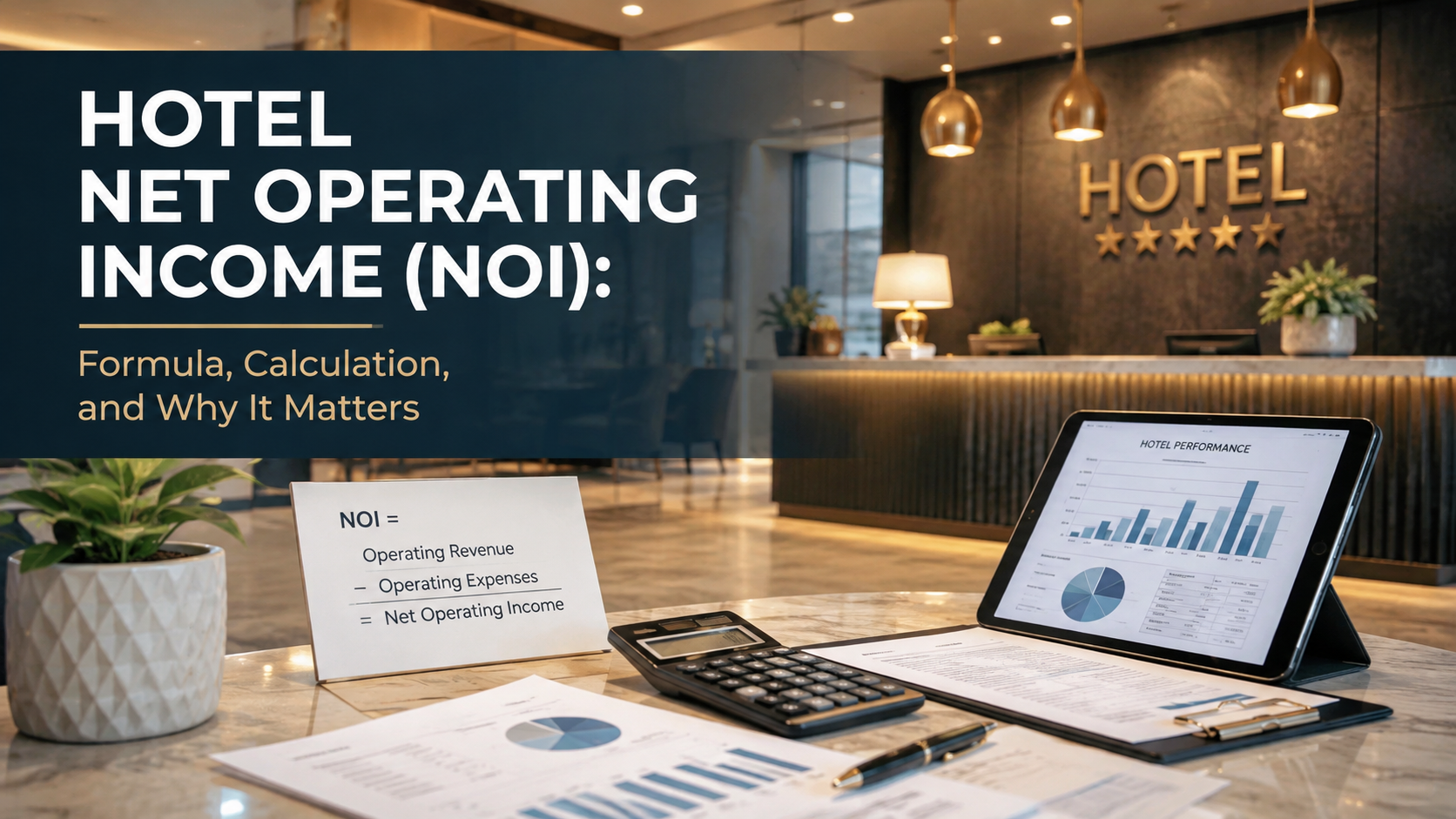
- NOI (Net Operating Income)
- Cash Flow
- Price per Key or price USD
These numbers help determine whether the hotel has consistent revenue, competitive pricing, and long-term investment value. Compare the price or price USD against comparable boutique hotels in the region to ensure a fair valuation.
4. Due Diligence for Boutique Hotel Buyers
Due diligence is where you verify that the property is structurally sound, financially stable, and legally compliant. Skipping this step can jeopardize your hotel investment.
A. Physical & Structural Review:
- Roofing, plumbing, HVAC
- Historic elements and architecture
- Guest room interiors
- Public spaces and amenities
- Safety and accessibility compliance
B. Financial & Business Due Diligence:
- Profit & loss statements
- Booking history
- Guest trends and seasonality
- Existing contracts and vendor agreements
- True operating expenses
- Brand strength
- Staff performance
- Management structure
- Guest reviews and ratings
D. Legal & Compliance Checks:
- Zoning
- Licensing
- Health and safety codes
- Environmental issues
Proper due diligence ensures you don’t inherit costly problems when you acquire the property. Engaging CRE advisors and a listing agent can help guide this process efficiently.
5. Finding Boutique Hotel Listings & Working With a Listing Agent
To find quality hotel listings, explore:
- Boutique hotel brokerage sites
- CRE marketplaces
- Local listing agents
- Commercial listings platforms
- Direct outreach to owners
When reviewing a boutique hotel for sale, evaluate:
- Location
- Condition
- Brand strength
- Inclusions (décor, furniture, inventory)
- The overall market potential
A skilled listing agent who understands boutique hotels can help uncover high-value deals that are not widely advertised. Tracking multiple hotel listings also increases your chances of finding a property with a strong ROI.
6. Financing Options for Buying a Boutique Property
There are multiple financing options available for boutique hotel acquisitions. Choosing the right financing affects your ROI and overall business success.
Loan Types for Buying a Boutique Property:
- SBA loans (SBA 7(a), SBA 504)
- Bank & credit union loans
- Bridge financing
- Commercial real estate loans (CRE loans)
- Estate loans
- Private lender financing
- Seller financing
What Lenders Look At:
- Cash flow strength
- Occupancy history
- ADR & RevPAR
- Management experience
- Condition of the property
- Your financial background
A clear business plan and financial strategy ensure you secure financing options for boutique hotels that align with your boutique hotel investment goals.
7. Making an Offer & Negotiating the Deal
Once you find the right boutique hotel, it’s time to structure a competitive deal.
Key Factors to Negotiate:
- Final price
- Contingencies
- What’s included (branding, furniture, licenses)
- Staffing transitions
- Timeline for closing
- Renovation credits
Boutique hotel deals often include unique style pieces or custom décor — make sure these items are clearly written into the contract. Using your knowledge of the market and property details will help secure the best deal.
8. Closing the Sale & Transitioning Operations
Closing steps include:
- Securing final loan approval
- Completing inspections
- Signing final paperwork
- Transferring the property title
- Updating licensing and business records
After closing, you begin the transition phase:
- Staff onboarding
- Branding updates
- Renovation or repositioning
- Refreshing guest experience touchpoints
This phase turns your boutique hotel vision into a profitable business.
9. Long-Term Growth & Exit Strategy
A boutique hotel is both a business and a long-term investment. Plan for:
- Renovation cycles
- Brand partnerships
- Market shifts
- Revenue optimization
- Refinance opportunities
- Eventual resale or expansion
A smart exit strategy protects your investment and helps you time the market for maximum profit. Proper planning ensures your boutique hotel remains competitive and attractive to future buyers.
10. Adaptive Reuse: A Smart Approach for Boutique Hotels
Adaptive reuse involves converting existing buildings, like historic homes or old commercial spaces, into boutique hotels. This approach preserves character, creates unique guest experiences, and can reduce construction costs compared to building new. It’s a creative strategy that offers additional investment opportunities in the boutique hotel market.
Key Features of Adaptive Reuse Boutique Hotels:
- Preserves historic or architectural character
- Reduces construction costs compared to new builds
- Attracts travelers seeking unique stays
- Enhances sustainability by repurposing existing structures
- Offers creative design flexibility for guest rooms and public spaces
Understanding Key Hotel Performance Metrics
Hotel performance is measured through several core metrics that help owners and operators evaluate pricing, demand, revenue, and profitability. Average Daily Rate (ADR) measures the average room rate earned on occupied rooms, while Revenue per Available Room (RevPAR) combines room pricing and occupancy to provide a broader view of room revenue performance. Hotel Occupancy Rate measures the percentage of available rooms sold during a given period, and Hotel Net Operating Income (NOI) helps measure the property's profitability after operating expenses. Together, these metrics provide a clearer picture of a hotel's operational and financial performance.
Conclusion
With strong due diligence, the right financing options, a deep understanding of boutique hotel operations, and smart management, buying a boutique hotel becomes a profitable and rewarding venture.
Partnering with experienced groups for hotel management services and working with trusted operators like Roam Hospitality can help guide your investment, optimize operations, and ensure long-term success. The boutique segment continues to grow, creating excellent hotel investment opportunities for serious investors.
More Recent Articles