What Is Boutique Hotel Management?
What Is Boutique Hotel Management? How It Drives Revenue, Experience, and Long-Term Asset Value


What Is Boutique Hotel Management? A Complete Guide to Hospitality Management in Boutique Hotel Management
Boutique hotel management is a specialized approach to operating boutique hotels that blends hospitality operations, business strategy, and experience design. It focuses on creating high-performing properties that deliver strong financial results while offering meaningful, personalized guest experiences.
Unlike standardized hotel models, boutique hotel management is built around identity, storytelling, and emotional connection. Every operational decision influences how guests feel, how the property performs, and how long-term asset value grows.
What Is Boutique Hotel Management in the Hotel Boutique Industry?
To understand what is boutique hotel management, it is important to look at how it functions within the hotel boutique industry. It refers to the structured process of running boutique hotels in a way that balances profitability, service quality, and guest experience.
In practice, boutique hotel management focuses on ensuring that every hotel that offers a distinct identity is positioned correctly in the market while maintaining operational efficiency.
Rather than treating properties as standardized units, boutique hotels are managed as individual experiences with their own brand identity and emotional appeal. (MEWS)
How Boutique Hotels Are Managed in Modern Hospitality
Managing boutique hotels requires a different mindset compared to traditional hospitality operations. Each boutique property is treated as a standalone brand with its own personality and target audience.
Effective management focuses on:
- Maintaining strong operational consistency
- Creating unique positioning for each property
- Designing memorable guest experiences
- Aligning service quality with brand identity
Because boutique hotels rely heavily on differentiation, even small operational decisions can significantly impact performance and guest perception.
Boutique Hospitality and the Role of Guest Experience
Boutique hospitality is centered on delivering meaningful guest experiences that feel personal, emotional, and memorable. Instead of focusing only on volume, boutique hotel management prioritizes how guests experience the property from arrival to departure.
A strong guest experience is shaped by:
- Personalized service and interactions
- Thoughtful design and atmosphere
- Seamless operational flow
- Integration of local culture and identity
Each boutique hotel aims to provide guests with more than accommodation—it delivers connection, comfort, and emotional value.
Value Creation in Boutique Hotels and Independent Hotels
Independent hotels and boutique hotels compete through identity rather than scale. This makes value creation highly dependent on design, service quality, and emotional engagement.
Boutique hotel management supports this by focusing on:
- Delivering consistent personalized service
- Building strong storytelling around each property
- Enhancing guest satisfaction through detail-driven operations
- Creating memorable and unique experiences
This approach ensures guests receive the added value they are looking for when choosing boutique accommodations over standardized options.
Operational Structure Behind Boutique Hotel Management
Successful boutique hotel management depends on coordination between multiple stakeholders and operational layers.
This typically includes:
- A hotel management company or a management company overseeing operations
- Staff responsible for delivering daily guest service
- Owners guiding long-term investment direction
- Operational systems supporting efficiency and consistency
Managing boutique hotels effectively requires aligning these elements so that service quality, guest experience, and business performance all work together. (prostay)
Guest Experience Strategy and Service Excellence
Guest experience is one of the most important drivers of success in boutique hotels. Every interaction contributes to how guests perceive the property and whether they return in the future.
A strong guest experience strategy includes:
- Personalized welcome and communication
- High-quality personalized service delivery
- Attention to detail in design and amenities
- Smooth and intuitive service processes
When boutique hotels consistently deliver strong guest experiences, they improve guest satisfaction, strengthen brand reputation, and increase long-term revenue potential.
Revenue Growth and Business Performance in Boutique Hotels
Boutique hotel management also plays a direct role in revenue generation and financial performance. Unlike traditional models that rely heavily on occupancy, boutique hotels focus on maximizing value per stay.
Key revenue strategies include:
- Dynamic pricing based on demand
- Increasing direct bookings
- Enhancing food and beverage profitability
- Creating experience-based upselling opportunities
Firms that shape hospitality strategy often emphasize that experience-driven revenue models are more sustainable and resilient in competitive markets. (Grand View Research)
Long-Term Asset Value and Property Performance
The financial value of boutique hotels is closely tied to operational efficiency and guest satisfaction. Strong boutique hotel management directly impacts long-term asset value.
Key value drivers include:
- Consistent operational performance
- High guest satisfaction levels
- Strong revenue generation
- Effective cost management
- Strong market positioning
Over time, well-managed boutique hotels become more attractive to investors because they generate stable income and maintain strong brand identity in the hospitality market.
Understanding Key Hotel Performance Metrics
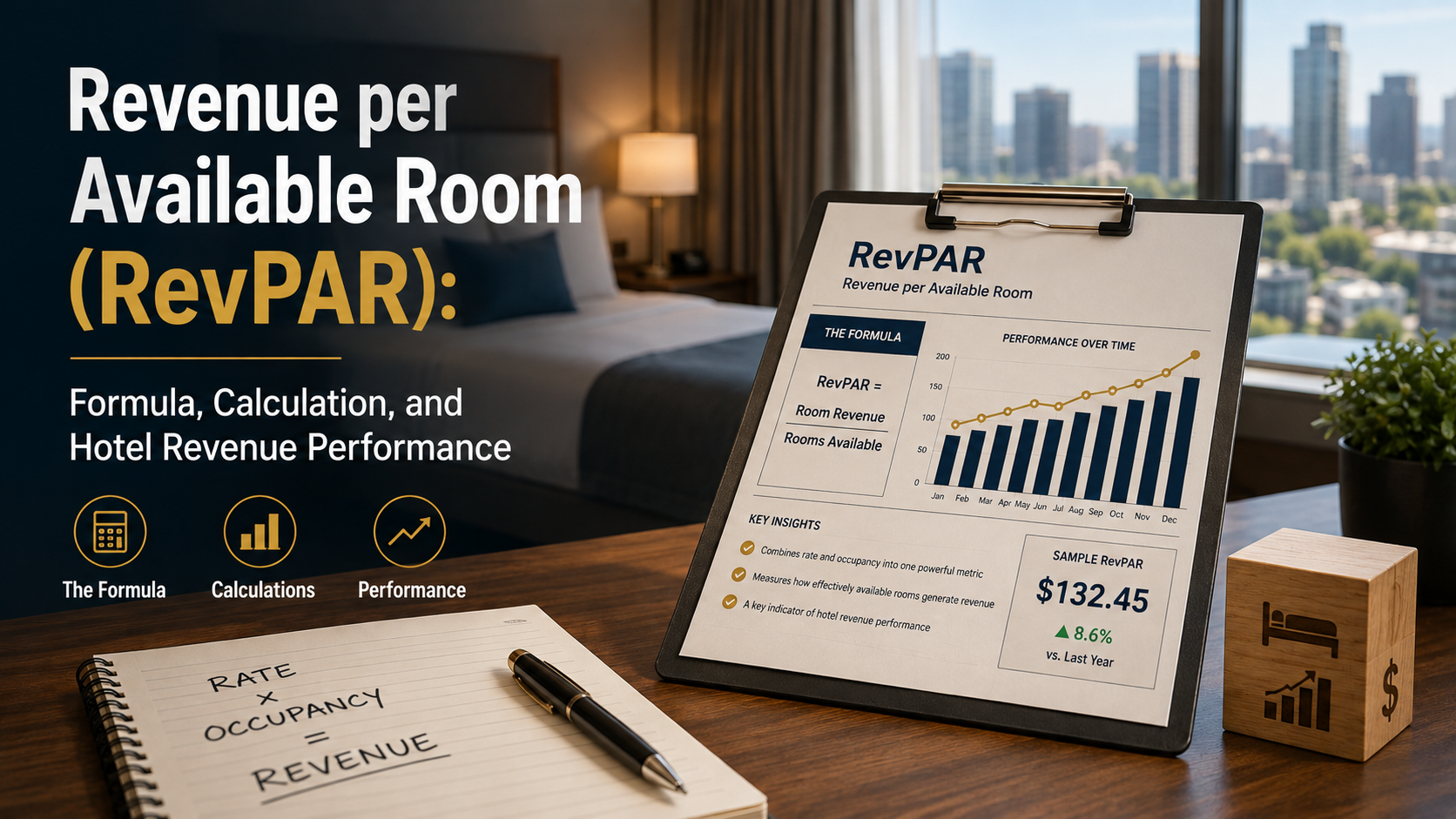
Hotel performance is measured through several core metrics that help owners and operators evaluate pricing, demand, revenue, and profitability. Average Daily Rate (ADR) measures the average room rate earned on occupied rooms, while Revenue per Available Room (RevPAR) combines room pricing and occupancy to provide a broader view of room revenue performance. Hotel Occupancy Rate measures the percentage of available rooms sold during a given period, and Hotel Net Operating Income (NOI) helps measure the property's profitability after operating expenses. Together, these metrics provide a clearer picture of a hotel's operational and financial performance.
Boutique Hospitality and Market Positioning
The demand for boutique hospitality continues to grow as travelers increasingly prioritize authenticity, personalization, and experience over standard accommodation.
Boutique hotels succeed because they:
- Deliver unique experiences instead of standardized stays
- Focus on emotional connection with guests
- Build a strong identity through design and storytelling
- Maintain high-quality service consistency
This positioning allows boutique hotels to stand out in a highly competitive hospitality landscape.
Conclusion
Boutique hotel management is the foundation that connects operations, guest experience, and financial performance in boutique hotels. It ensures that each property is not only well-run but also emotionally engaging and commercially successful.
By combining personalized service, strategic business decisions, and experience-driven design, boutique hotel management creates long-term value for both guests and property owners.
As the hospitality industry continues to evolve, boutique hotels remain one of the strongest models for delivering meaningful experiences and sustainable growth.
More Recent Articles