
Boutique Hotel vs. Traditional Hotel Management
Boutique Hotel vs. Traditional Hotel Management: Key Differences and Considerations

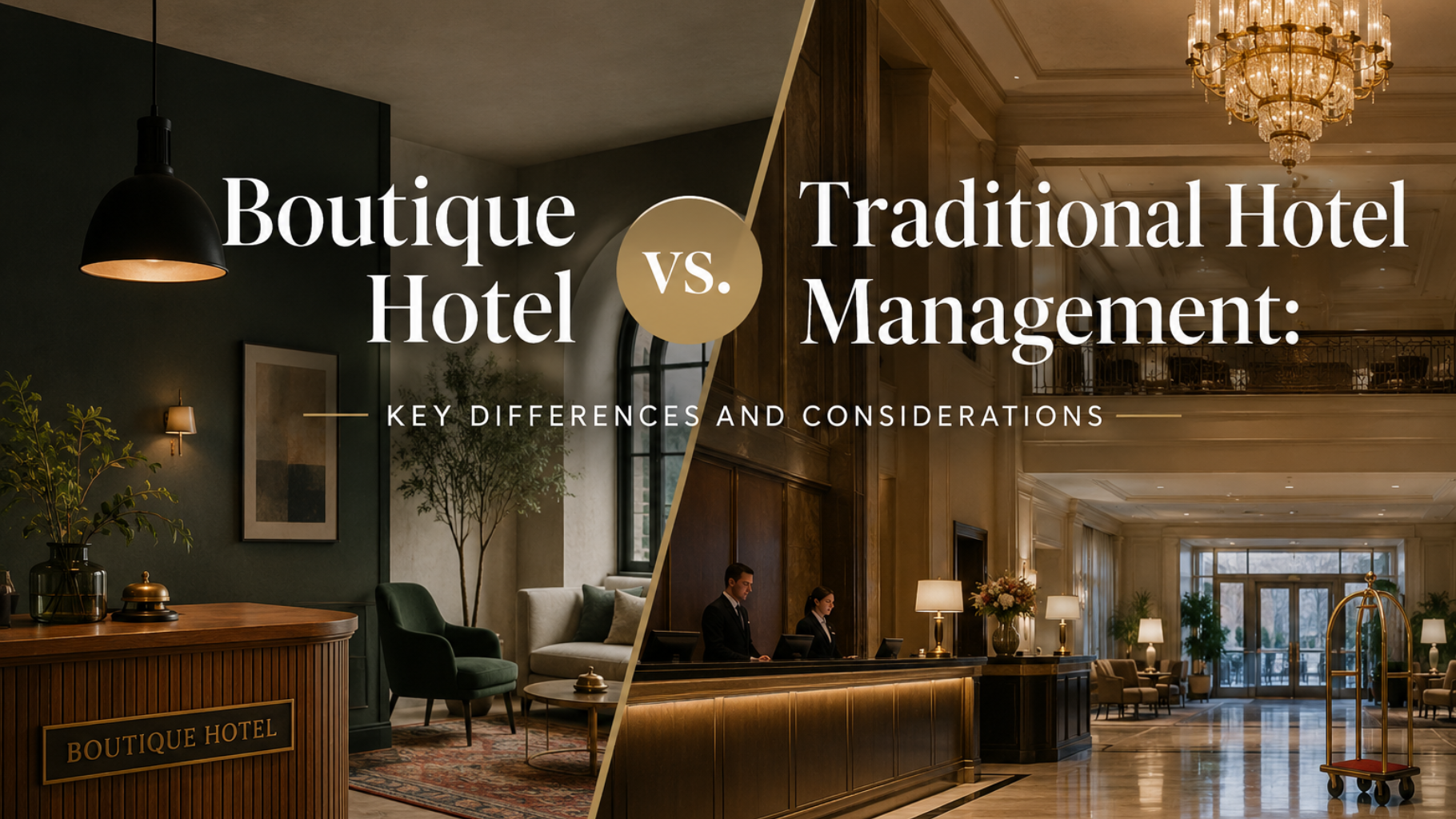
Boutique Hotel vs Traditional Hotel Management: Key Differences for Hotel Owners
Are you thinking about joining the hotel business or improving your current place? This is a big choice, and you’ll need to decide how you want your hotel to run. Should it be small and special, or should it be big and familiar? It’s important to know the difference between boutique hotels and traditional hotels to find what fits you and your guests. Here’s a simple breakdown of how each one works.
Key Takeaways
- Boutique hotels offer a special and personal experience for guests, often in smaller buildings with unique styles. Traditional hotels focus on keeping things the same everywhere, with bigger buildings and services everyone expects.
- Boutique hotels are more flexible and can change quickly for guests. Traditional hotels use set ways of working to make sure everything is the same in every property.
- Boutique hotel staff give very personal service and try to make every visit memorable. Traditional hotel staff provide the same helpful service at each location.
- Boutique hotel marketing is aimed at people who want something unique. Traditional hotel marketing tries to appeal to as many people as possible with a wide range of offers.
- Boutique hotels may change prices more often and try different ways to earn money. Traditional hotels focus on selling lots of rooms and well-known extra services, and this affects how people invest in them.
Management Styles: Boutique Hotels and Traditional Hotels
When you travel, the hotel you choose can really change your experience. It’s not just a place to sleep. It’s about the size and ambiance, service, and how you feel there. Understanding boutique and traditional hotel management helps you know what kind of stay you might have. These hotels have different ideas about what makes guests happy.
What Makes a Boutique Hotel
Boutique hotels are known for their unique personality. Boutique hotels prioritize uniqueness and individuality. Think of them like a local coffee shop instead of a big chain. They’re smaller, with special decor or a local theme. The main idea is to give guests a one-of-a-kind experience—not the standard look you see in lots of big hotels.
Guests get a lot of attention, and staff do their best to make people feel important and welcome. Rooms might have interesting touches, and the whole place can feel much more private. These boutique properties are good for people who want something different when they stay somewhere, often found in busy cities or pretty locations.
Traditional Hotel Operations
Traditional hotels are usually bigger, and many are part of large hotel brands or global chains. Their main strength is that things are predictable and reliable. You know what you’ll get every time you stay there—from the look of the room to the services you can use. This style makes things efficient and serves all kinds of travelers, like business people and families who want a comfortable, familiar place.
Large chains try to offer the same service and rooms at every location, which helps guests feel comfortable no matter where they travel. Regular hotels serve similar functions.
How Guest Service Is Different
Boutique hotels try to connect with guests personally. The staff remember names and may offer special suggestions for things to do nearby. They build real relationships. Regular hotels focus on giving good service using set steps and rules, almost like a well-run machine.
It’s very organized, and you know you’ll get good service the same way every time. Boutique hotels feel more like staying with a friend, while regular hotels focus on professional, steady service. This difference in service can shape how guests feel about their trip.
Let’s quickly compare:
- Size: Boutique hotels are smaller; traditional hotels can be quite large.
- Design: Boutique hotels have unique looks; traditional hotels are more similar, based on the brand.
- Service Style: Boutique: personal; Traditional: the same for everyone.
- Atmosphere: Boutique: quiet and exclusive; Traditional: busy and open to everyone.
Knowing how each type of hotel works helps you see why their staff, marketing, and services are set up the way they are.
How Hotels Run Day to Day
Running a hotel is about more than just nice rooms. A lot happens behind the scenes to keep things smooth. Boutique hotels and traditional hotels often handle daily work in different ways, and it’s important to know these if you want to manage a hotel.
How Boutique Hotel Operate
Boutique hotels are usually more flexible. Because they’re smaller, they’re quick to change things if a guest wants something special. Staff can often say "yes" faster and make things happen without waiting for many approvals. Boutique hotels tend to embrace creativity and offer curated experiences.
- Quick decisions: Less management, so things move faster.
- Custom service: Easy to change things for special guest needs or events.
- Teamwork: Staff often do more than one job and help each other out.
Being able to change quickly helps when things in tourism change, like sudden interest in a new event. Boutique hotels can offer new things to guests right away.
Boutique hotels can change what they offer much faster, which helps when guests want new things or when tourism trends change.
How Traditional Hotels Operate
Traditional hotels often stick to traditional approaches and set rules and steps for everything. That’s not a bad thing—it keeps things running well. You’ll get the same service no matter which branch you go to. The rules are built into their management system, so every guest gets the best service the hotel chain promises. Regular hotels operate with established programs.
- Consistency: Guests get the same good service everywhere.
- Efficiency: Clear rules help avoid mistakes and save time.
- Training: Staff learn standard steps easily.
This is good for busy hotels with lots of guests, and for keeping the brand’s reputation strong.
How Each Uses Technology
Both types of hotels use
technology, but for different reasons. Boutique hotels pick user-friendly systems that make each guest feel special—like smart controls for the room or a simple booking system. Traditional hotels use bigger systems that control everything from reservations to accounting, which helps them run many sites at once. For example:
| Feature | Boutique Hotel | Traditional Hotel |
|---|---|---|
| Guest Facing | Tablet controls, local guides | Mobile check-in, digital key |
| Back Office | Simple sales and guest software | Large property and analytics systems |
| Focus | Improving guest experience | Efficiency and data |
Guest Experience and Service
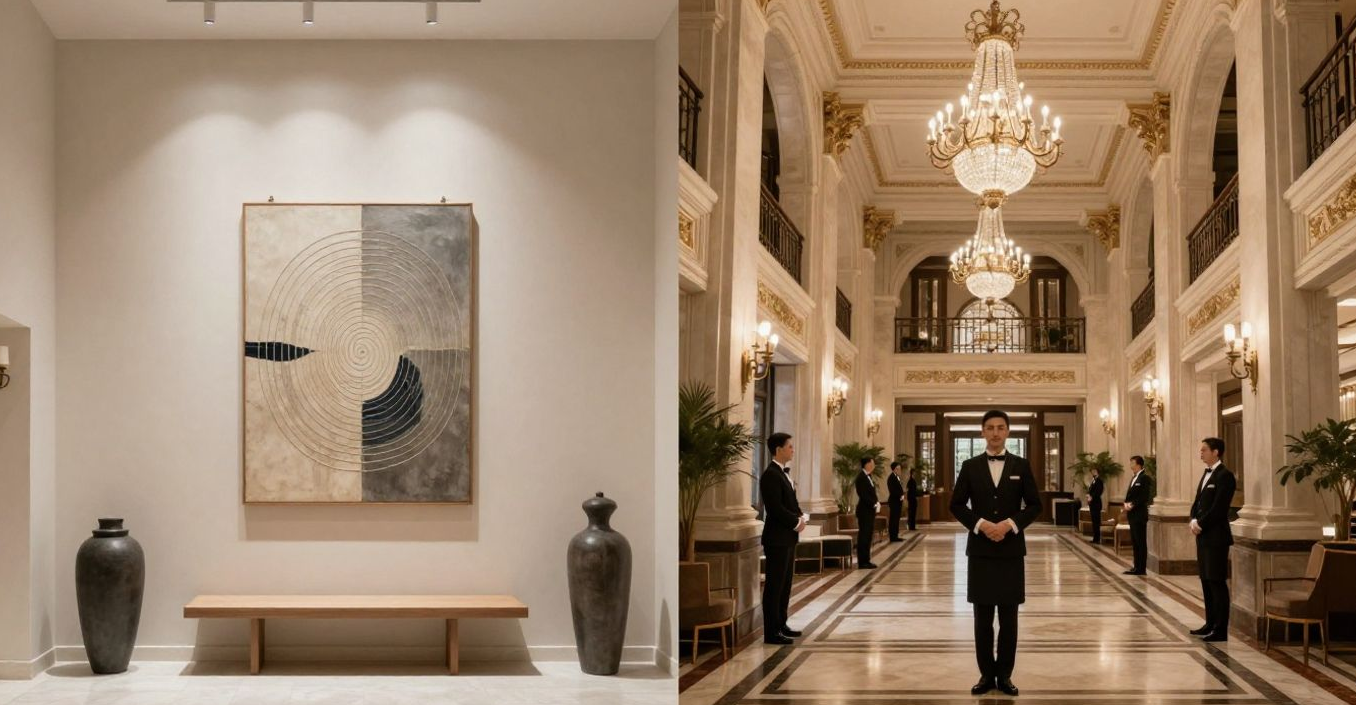
Boutique Hotels: Personal Touch
Boutique hotels treat everyone as an individual, not just a room number. They may remember your favorite snack or help decorate your room for a birthday. Staff look for ways to make guests feel extra special without following a script. Boutique hotels prioritize individuality and offer personalized service.
- Front desk remembers your name.
- Custom welcome cards or local snacks.
- Personalized trip plans.
This approach makes a business trip or vacation feel unique. For more on this, read about the boutique hotel experience.
People who want special experiences and real care often pick boutique hotels, especially in places popular with tourists.
Traditional Hotels: Same Experience Every Time
Traditional hotels focus on dependability. Guests know they will get the same service and things in every property. Staff are trained to follow steps carefully, from check-in to breakfast. Regular hotels aim for consistency.
For example:
- Same process for service, no matter where the hotel is
- Standard items for guests, like breakfast or toiletries
- Clear steps to fix problems for guests
| Service | Boutique Hotel | Traditional Hotel |
|---|---|---|
| Check-in Experience | Personal greeting, local flavor | Fast, standard process |
| Room Setup | Unique decoration, special gifts | Same room setup, standard items |
| Problem Solving | Staff can act quickly | Set process for solving issues |
People who want a smooth, easy stay often choose traditional hotels, especially in places they don’t know well.
What Guests Expect
Boutique and traditional hotel guests want different things. With so many choices, hotels need to be clear about what they offer before the guest even checks in. The hospitality industry caters to diverse guest needs.
For example:
- Boutique hotel guests may expect special touches, even when booking at the last minute
- Families going to traditional hotels look for play areas and reliable basics
- Travelers from other countries might be surprised by friendly service in boutique hotels, or by the formality in a big chain.
It’s important for hotels to explain what kind of service guests will get to avoid disappointment and get great reviews. Read more about personal guest experiences in boutique hotels.
Every hotel’s success comes from meeting guest needs and making them want to visit again.
Marketing and Building a Brand
Special Marketing for Boutique Hotels
Boutique hotels work best by reaching out to specific travelers. For example, a hotel with an art theme will advertise to people who love art. Their marketing is focused and tries to show that a stay is more than just a room—it’s an experience or a story. This helps them stand out against large chains, which usually keep things more general. Read about how boutique hotels attract unique guests.
Marketing for Everyone: Traditional Hotels
Traditional hotels try to welcome all sorts of guests. Their ads highlight how easy it is to stay, the location, and the many services offered. They want to draw in business people, families, or anyone who just needs a simple, comfortable place to sleep. This approach is common for many hotel brands.
What Makes a Hotel Special
No matter which hotel type, knowing what makes your place different is important. For an independent boutique hotel, it could be a rooftop bar or local food. For a traditional hotel, it could be its location or a fun pool. It’s best to talk about these things clearly in marketing—this draws the right guests to your hotel. Learn how branding helps hotels.
- Location: Near fun places or business centers
The way a hotel shares its story matters. Being clear and focused will bring in the guests you want and help avoid confusion. Good branding leads to better reviews and more business.
Focusing on these distinct advantages helps shape your brand identity and attract the right kind of traveler. It’s about making sure your marketing efforts are directed towards guests who will truly appreciate what you have to offer. Strengthening your brand identity is paramount in today's competitive hospitality landscape.
Revenue Management And Financial Considerations
How a hotel makes money is a big deal. It’s not just about selling as many rooms as possible, but finding the best prices and other ways to earn. Boutique hotels and traditional hotels handle money in different ways. The management of finances is crucial for both.
Boutique hotels can change their prices quickly because they offer something special. They may charge more when demand is high or if an event is happening. This helps them earn more when people are looking for unique experiences. Traditional hotels use old data and price rules across many rooms. Both want to get the best room revenue possible. This is a key aspect of hotel management.
Dynamic Pricing In Boutique Hotel vs Traditional Hotel Management
- Boutique Hotels:
- Change prices often, can offer special packages. This flexibility reduces expenses in some areas.
- Can charge more for a unique stay.
- Think about what type of guest they attract when setting prices.
- Traditional Hotels:
- Use past numbers and market info to set prices.
- Usually have set price ranges and deals for big groups.
- Aim for steady bookings and income.
For investors, knowing how a hotel earns and changes prices can be very important, especially if tourism demand changes a lot.
Making Extra Money
Hotels also make money outside of selling rooms. Boutique hotels might offer special drinks, guided tours, or sell souvenirs that fit their brand. Traditional hotels also have shops, restaurants, or event rooms, but they aim for lots of sales and quick service. For boutiques, it’s about making each extra thing part of the overall experience. This is part of the lifestyle hotel concept.
How Investors Think About Each Type
If you want to invest in a hotel, the type of management matters. Boutique hotels can earn more per room if they find their perfect group of guests, but they need closer management and have to keep their look fresh. Traditional hotels bring steadier income and are easier to manage as they grow, but might not make as much per room as boutiques. A hotel’s value depends on its location, reputation, and the reliability of its business style. This impacts the industry.
Understanding Key Hotel Performance Metrics
Hotel performance is measured through several core metrics that help owners and operators evaluate pricing, demand, revenue, and profitability. Average Daily Rate (ADR) measures the average room rate earned on occupied rooms, while Revenue per Available Room (RevPAR) combines room pricing and occupancy to provide a broader view of room revenue performance. Hotel Occupancy Rate measures the percentage of available rooms sold during a given period, and Hotel Net Operating Income (NOI) helps measure the property's profitability after operating expenses. Together, these metrics provide a clearer picture of a hotel's operational and financial performance.
Investment Implications For Each Model
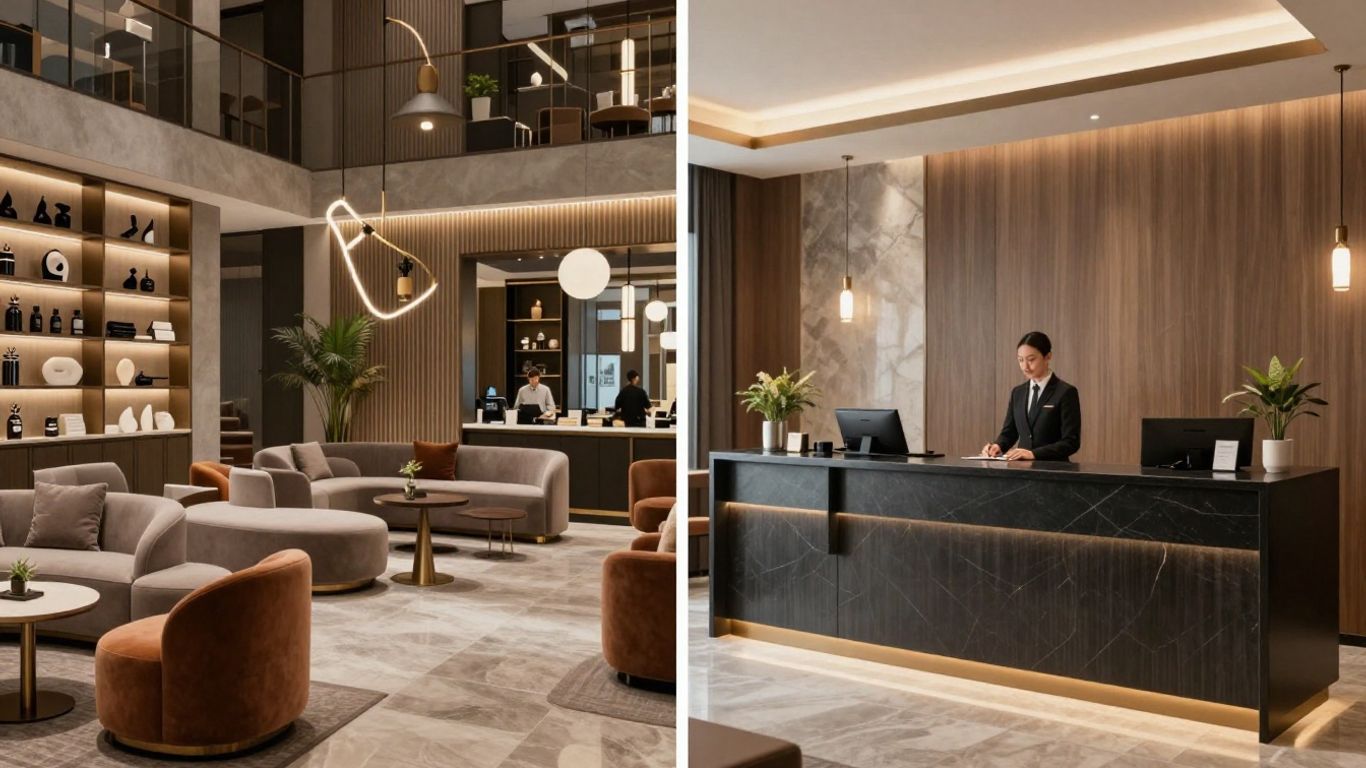
The people working in a hotel make it what it is. You need both enough staff and the right kind of team, and also to make sure they feel valued. This is an area where boutique and traditional hotels differ a lot. The human element is key in hospitality.
Team Culture
Boutique hotels usually have smaller, close teams, where everyone helps out in many ways. It’s more relaxed, and staff might feel like part of a family. Staff often feel proud about making the hotel special.
Traditional hotels have more strict roles and bigger staff groups. There are clear rules and managers for each department. This helps things run smoothly and at scale, but sometimes feels very formal. This is common in chain operations.
Training
Boutique hotels teach staff about the hotel’s story and how to give personal service. Staff need to be able to share information about the hotel and help guests in creative ways, and often need to be able to do different jobs. This is crucial for independent boutique hotels.
Traditional hotels use standard training programs. Staff follow set instructions for check-in, cleaning, and handling guest questions, so things are the same every time. Finding good managers is very important, as they help run the whole team. Hiring managers in hotels needs a different approach.
Making Decisions
Boutique hotel staff can often decide small things on their own to make a guest happy. This helps them give special service and makes guests feel welcome fast. In traditional hotels, there are more rules, and staff might need to ask managers for changes that aren’t usual. This keeps things steady but sometimes slows down service. Read more about how boutique hotels stand out.
In hotels, the attitude and training of the staff are key. Whether in a small hotel or a big chain, happy and skilled workers lead to guests who come back again and again.
Frequently Asked Questions
What’s the difference between boutique and traditional hotel management?
Boutique hotel management is about making each guest’s stay special and different. Each hotel has its own look and feel. Traditional hotel management is about using the same rules at every hotel, so guests always know what to expect. Boutique hotels are unique; traditional ones are the same everywhere.
How does technology use differ in boutique and traditional hotels?
Boutique hotels use flexible technology like smart rooms or simple mobile check-in to make guests happy. Traditional hotels use bigger, standard computer systems to manage many properties. Both use tech, but boutiques focus more on tools guests notice.
Are boutique hotels more expensive to run?
Boutique hotels usually cost more per room because they focus on style and special service. However, they can also charge more per night. Traditional hotels can save money by using the same systems in many locations, but often have to keep prices lower to stay competitive.
What kind of service can you expect?
In boutique hotels, expect personal care—like staff who remember what you like. Traditional hotels keep service the same everywhere. People who want a special memory often choose boutique hotels; those who want reliability pick traditional hotels.
How do boutique and traditional hotels market themselves?
Boutique hotels talk to people who want something different or luxurious. They highlight what makes them unique. Traditional hotels use larger ads and focus on being easy, reliable, and offering rewards to all travelers.
What should an investor think about?
Investors need to think about where the hotel is, who visits, and how involved they want to be. Boutique hotels can attract guests willing to pay more but need more attention. Traditional hotels offer steady returns and are easier to grow but might make less per room in crowded markets.
More Recent Articles