How Boutique Hotels Increase Revenue
Unlock Profitability: How Boutique Hotels Increase Revenue Through Strategic Operations

How Boutique Hotels Increase Revenue Through Strategic Operations
Boutique hotels have a unique charm. They stand out from the big chains by offering something more personal. But how exactly do these smaller places make more money? It's not just about having a cool design. It really comes down to smart planning and running the place efficiently. This article looks at how boutique hotels increase revenue through strategic operations, focusing on what owners and managers can do.
Key Takeaways
- Focus on making each guest's stay special with personalized services and unique local activities to encourage repeat business and positive reviews.
- Use smart pricing that changes based on demand and what guests think the experience is worth, rather than just a fixed rate.
- Get more guests to book directly through your own website by making it user-friendly and offering rewards for loyalty.
- Find extra ways to earn money beyond just room bookings, like selling room upgrades, special packages, or food and drinks.
- Use guest data and performance numbers to understand what's working, predict future bookings, and make better business choices.
Optimizing Guest Experience For Increased Revenue
Making guests feel special isn't just about good service; it's a direct path to more money for boutique hotels. When people have a fantastic stay, they're more likely to spend more during their visit and come back again. It’s about creating memorable moments that turn a simple booking into a loyal customer.
Personalizing Stays Through Bespoke Services
Think about what makes a boutique hotel stand out. It's often the little things that show you've paid attention. This means going beyond a standard welcome and really tailoring the experience to each guest. For investors, this translates to higher guest satisfaction scores and repeat business, which are key metrics for property value.
Here’s how to make it happen:
- Pre-arrival communication: Ask about preferences, special occasions, or any specific needs before they even check in. Did they mention a favorite type of pillow? A dietary restriction? Note it down.
- In-room touches: A small, personalized welcome gift – maybe a local treat or a handwritten note referencing their reason for visiting – can make a big impact.
- Activity recommendations: Instead of generic tourist spots, suggest activities based on their stated interests. If they love art, point them to a small, local gallery, not just the main museum.
The goal is to make every guest feel like they are the only guest. This level of attention builds a strong emotional connection, which is priceless in the hospitality industry.
This personalized approach requires good staff training and a system to track guest preferences. For owners, investing in staff who can execute these details is as important as the property itself. It’s about creating a unique selling proposition that competitors can’t easily copy. This focus on individual needs can significantly boost guest spending on ancillary services and encourage positive online reviews, driving future bookings.
Leveraging Technology For Seamless Guest Journeys
Technology, when used thoughtfully, can make the guest experience smoother and more efficient, freeing up staff to focus on personal interactions. It’s not about replacing human touch, but about making the parts of the stay that can be automated, well, automated. This efficiency can lead to better operational flow and, consequently, improved revenue.
Consider these tech applications:
- Mobile check-in/out: Allowing guests to handle these processes via an app saves time at the front desk and reduces wait times.
- Digital concierge services: Guests can request services, book restaurant reservations, or ask for local tips through a hotel app or messaging system.
- In-room smart controls: Simple controls for lighting, temperature, and entertainment can add a modern convenience that guests appreciate.
The right technology should simplify, not complicate, the guest's interaction with the hotel.
Implementing these tools requires an initial investment, but the long-term benefits in operational efficiency and guest satisfaction are substantial. For investors, this means a more streamlined operation that can handle higher occupancy rates with greater ease. A well-integrated system can also provide valuable data on guest behavior, helping to refine services further.
Curating Unique Local Experiences
Boutique hotels are perfectly positioned to offer guests a taste of the local culture that larger chains often miss. These authentic experiences are a major draw for travelers seeking more than just a place to sleep. They create a narrative around the stay, making it more memorable and shareable.
Think about offering:
- Guided neighborhood walks: Led by a local expert or a knowledgeable staff member, focusing on history, art, or hidden gems.
- Partnerships with local artisans: Arrange for guests to visit studios, attend workshops, or purchase unique local crafts directly.
- Exclusive culinary tours: Collaborate with local chefs or food bloggers for tasting tours that highlight regional specialties.
These experiences not only enrich the guest's visit but also create opportunities for additional revenue through tour fees or commissions from partner businesses. This strategy taps into the growing demand for experiential travel, making the hotel a gateway to the destination rather than just a lodging option. For investors, this adds a unique value proposition that can command premium pricing and attract a discerning clientele.
Strategic Pricing Models For Boutique Hotels
Setting the right price is more than just picking a number; it's a strategic move that directly impacts your hotel's revenue and market perception. For boutique hotels, this means moving beyond simple cost-plus models and embracing strategies that reflect the unique value and experience you offer. Investors are keen on this because smart pricing can significantly boost per-room earnings.
Implementing Dynamic Pricing Strategies
Dynamic pricing is about adjusting your rates based on real-time market conditions. Think of it like airline tickets – prices change based on demand, time of year, and even day of the week. For a boutique hotel, this means looking at:
- Occupancy Levels: Higher demand means you can charge more.
- Local Events: Concerts, festivals, or conferences in town? Bump up those rates.
- Day of the Week: Weekends often command higher prices than weekdays.
- Seasonality: Peak tourist seasons will naturally support higher pricing.
The goal is to capture the maximum revenue possible from each room, every night. This approach requires constant monitoring and a willingness to adapt. It’s not about being greedy; it’s about aligning your prices with what the market is willing to pay for your specific experience. This is where specialized revenue management services can really help optimize pricing.
Understanding Demand Fluctuations
Knowing when demand is high and why is key to effective pricing. Boutique hotels often cater to specific types of travelers, and their demand patterns can be quite distinct. Are you seeing a surge in bookings from wedding parties during certain months? Or perhaps a spike from business travelers during specific industry events? Identifying these patterns allows you to anticipate demand and adjust your pricing proactively, rather than reactively. This predictive capability is a major plus for investors looking for consistent returns.
Understanding demand isn't just about looking at past bookings. It involves analyzing competitor pricing, local tourism trends, and even broader economic factors that might influence travel decisions. For a boutique property, this granular understanding allows for highly targeted pricing adjustments.
Value-Based Pricing For Premium Offerings
Boutique hotels sell an experience, not just a bed. Value-based pricing means setting your rates based on the perceived value your guests receive, not just your operational costs. If your hotel offers unique amenities, exceptional service, or a prime location, you can command a premium. This is where your hotel's unique selling propositions come into play. Consider what makes your property special and price accordingly. This strategy aligns perfectly with the unique experiences boutique hotels are known for, justifying higher rates and attracting guests who appreciate quality and exclusivity.
Enhancing Direct Bookings And Reducing Commissions
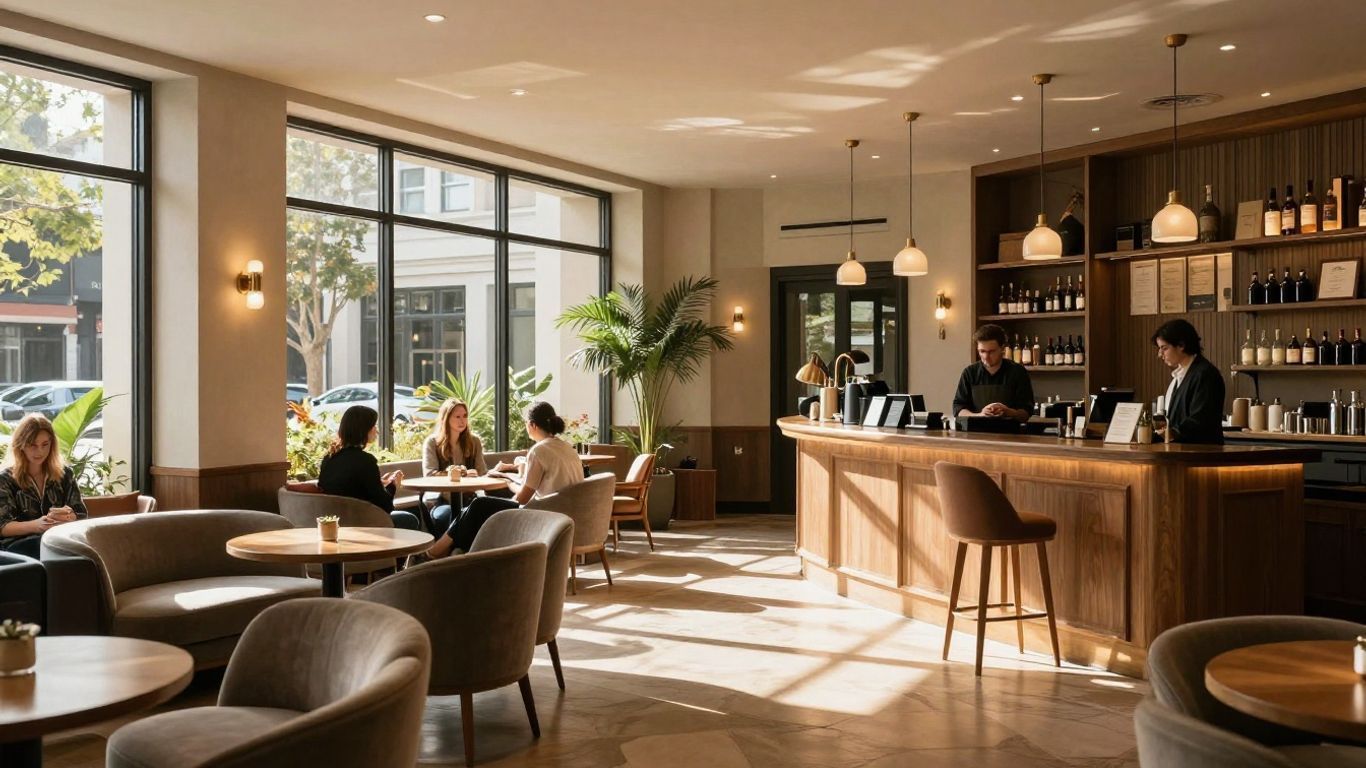
Third-party booking sites, like OTAs, are a necessary evil for many hotels. They get your name out there, sure, but they also take a pretty big slice of your revenue. For boutique hotels, where every dollar counts and the guest experience is paramount, cutting down on these commissions is a smart move. It's all about getting guests to book directly with you, which not only saves money but also builds a stronger relationship with your customers.
Building A Strong Brand Presence Online
Think of your online presence as your hotel's digital storefront. If it's not inviting or easy to use, potential guests will just click away. A strong brand means people recognize you, trust you, and want to book with you. This isn't just about having a nice logo; it's about telling your hotel's story in a way that connects with travelers.
- High-Quality Photography: Show off your unique rooms, amenities, and the local vibe. Good pictures are worth a thousand words, and in this business, they can be worth a lot of bookings.
- Compelling Storytelling: What makes your hotel special? Is it the history, the design, the local partnerships? Share that narrative consistently across your website and social media.
- Consistent Branding: Make sure your logo, colors, and tone of voice are the same everywhere people find you online.
Getting your brand right online helps people feel a connection before they even step foot in your hotel. This makes them more likely to choose you over a faceless chain.
Optimizing Hotel Website For Conversions
Once you've got people interested, your website needs to make booking easy. A clunky or confusing website is a major turn-off. You want the booking process to be as smooth as the check-in.
- User-Friendly Navigation: Guests should be able to find room types, rates, and booking options without a struggle.
- Clear Call-to-Actions: Buttons like "Book Now" or "Check Availability" should be prominent and easy to spot.
- Mobile Responsiveness: Most people browse and book on their phones. Your site must look and work perfectly on any device.
- Streamlined Booking Engine: The actual booking process should be quick, secure, and require minimal steps. Reducing the number of clicks needed can significantly increase your direct booking rate.
A well-optimized website acts as your most effective salesperson, working 24/7 to convert interest into reservations. It's an investment that pays dividends by capturing revenue that would otherwise be lost to intermediaries. Boutique hotel management often prioritizes this direct channel for its profitability.
Developing Loyalty Programs For Repeat Guests
It's almost always cheaper to keep an existing guest than to find a new one. Loyalty programs reward guests for choosing your hotel again and again. This not only encourages repeat business but also turns happy guests into brand advocates.
- Tiered Rewards: Offer increasing benefits as guests stay more often or spend more.
- Exclusive Perks: Give loyal guests special treatment, like room upgrades, late check-outs, or complimentary amenities.
- Personalized Offers: Use booking data to send targeted promotions that appeal to individual guest preferences.
By focusing on direct bookings, boutique hotels can significantly improve their profit margins and build more direct relationships with their clientele. This strategy is key for sustainable growth and attracting investors looking for well-managed, high-performing properties. Reducing reliance on OTAs is a common goal for hotels aiming to boost profitability.
Maximizing Ancillary Revenue Streams
Beyond room rates, boutique hotels have a goldmine of opportunities to boost their bottom line. Thinking creatively about what else guests might want or need during their stay can turn small additions into significant profit drivers. It's about spotting those moments where a little extra service or a unique offering can make a guest's experience better, and your hotel more profitable.
Upselling Room Upgrades And Packages
This is a pretty straightforward way to get more from each booking. When a guest reserves a standard room, there's often an opportunity to offer them something a bit nicer. This could be a room with a better view, a larger suite, or one with special amenities like a private balcony or a soaking tub.
The key is to make the upgrade feel like a genuine enhancement to their stay, not just an extra charge. Packages are also a great tool. Think about bundling a room with a spa treatment, a romantic dinner, or tickets to a local attraction. These curated bundles can appeal to different guest segments and often have higher perceived value, leading to more sales.
Here's a look at potential upgrade revenue:
| Room Type | Base Rate | Upgrade Offer | Additional Revenue | Potential Upsell Rate | Incremental Revenue per Upsell |
|---|---|---|---|---|---|
| Standard Queen | $200 | Deluxe King | $50 | 15% | $7.50 |
| Deluxe King | $250 | Junior Suite | $75 | 10% | $7.50 |
| Junior Suite | $325 | Executive Suite | $100 | 5% | $5.00 |
This kind of structured approach to upselling can add a noticeable amount to your daily revenue. It requires training your front desk staff to identify opportunities and present upgrades in a compelling way. It’s not just about asking if they want to upgrade; it’s about painting a picture of the improved experience they’ll have.
Developing On-Site Food And Beverage Offerings
Food and beverage (F&B) is a classic revenue stream for hotels, and boutiques can really shine here. Instead of just a generic breakfast buffet, think about what makes your hotel unique. Maybe it's a farm-to-table restaurant featuring local ingredients, a craft cocktail bar with a signature menu, or a cozy cafe perfect for a morning coffee and pastry. The goal is to create F&B experiences that are destinations in themselves, drawing not just hotel guests but also locals.
This can significantly increase foot traffic and revenue, especially during off-peak hours for room occupancy. Consider offering unique tasting menus, themed dinner nights, or even cooking classes that highlight local cuisine. This approach transforms your F&B from a simple amenity into a profit center and a key part of the guest experience, which can also drive direct bookings.
Partnering For Local Experiences And Tours
Boutique hotels often attract travelers looking for authentic local experiences. Partnering with local tour operators, artisans, or activity providers can be a win-win. You can offer curated packages that include unique excursions, workshops, or guided tours that guests can book directly through the hotel. This not only provides a valuable service to your guests but also creates a new revenue stream through commissions or markups. Think about partnerships for things like:
- Guided historical walking tours
- Wine or craft beer tasting excursions
- Artisan craft workshops (pottery, painting)
- Outdoor adventure tours (hiking, kayaking)
- Culinary tours focusing on local specialties
These collaborations allow guests to easily access the best of what the local area has to offer, making their stay more memorable. For investors, this diversification of revenue streams shows a well-rounded hotel management strategy that isn't solely reliant on room nights. It demonstrates an understanding of the modern traveler's desire for experiences.
Diversifying revenue beyond room charges is a smart move for any boutique hotel. It spreads risk, increases guest spending, and can even improve overall guest satisfaction by providing more ways to enjoy their stay. Each ancillary revenue stream, when thoughtfully developed, contributes to a more robust and profitable business model.
Data-Driven Decisions For Revenue Growth
Data tells boutique hotels where they can earn more and spend less. Using numbers instead of gut feeling, owners and managers get a real picture of what’s working and what needs changing. This section looks at three ways boutique hotels use data to sharpen operations, attract guests, and boost returns.
Analyzing Key Performance Indicators
Keeping an eye on the right metrics helps identify revenue leaks and areas of opportunity fast.
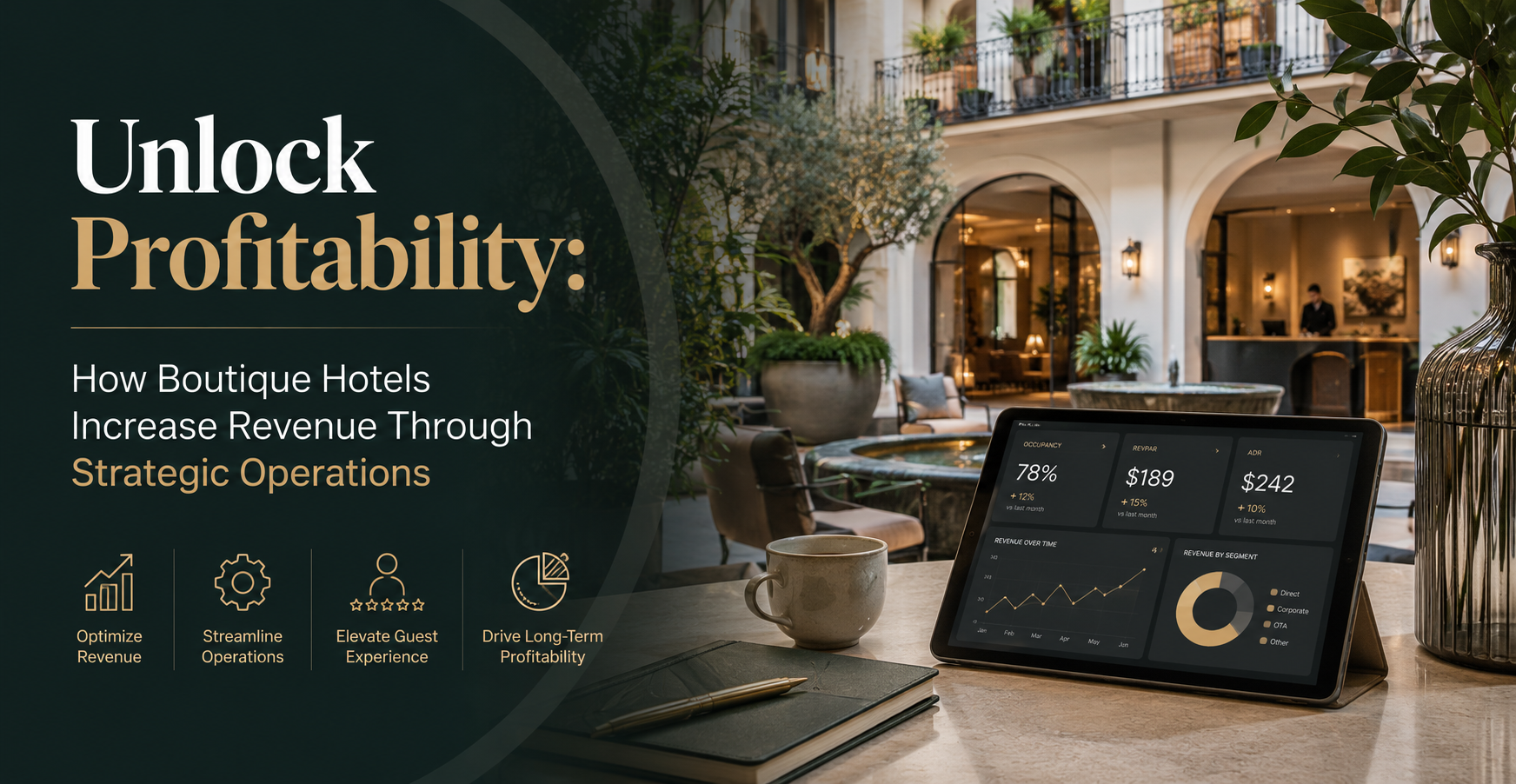
Here's a simple KPIs table for hotels:
| KPI | What It Shows | Why Investors Care |
|---|---|---|
| ADR | Average room price per day | Pricing strength |
| RevPAR | Revenue per available room | Occupancy × pricing |
| GOPPAR | Gross profit per available room | Cost management |
| TRevPAR | Total revenue per available room | Upsell potential |
- Track numbers weekly, not just monthly
- Adjust operational costs as soon as trends turn
- Compare with local competitors
Smart investors look at more than just top-line growth—profit per available room matters most. Metrics like GOPPAR and TRevPAR highlight if extra sales efforts are paying off or just increasing costs. For a closer look at integrating these profit metrics, see this discussion on integrated profit metrics in hospitality.
Utilizing Guest Feedback For Improvement
Every review and comment is free insight. Harvesting guest feedback—structured surveys, online reviews, or even direct chats—helps hotels spot what makes travelers happy and what drives them away. Here are top ways hotels turn guest feedback into revenue:
- Group similar comments to spot trends, not just one-off issues
- Quickly fix repeat complaints (e.g., slow WiFi, noisy rooms)
- Thank positive reviewers to encourage repeat visits and referrals
When hotels close feedback loops fast, guests feel heard, which often translates into stronger loyalty and improved online ratings. Better ratings and repeat business are closely tied to year-round revenue stability.
Forecasting Future Demand And Occupancy
Historical patterns and local tourism trends help managers set prices, plan staff schedules, and launch new offers. Forecasting involves:
- Monitoring seasonality and local event calendars
- Watching changes in competitor rates
- Using booking windows to spot booking pace (how fast rooms sell)
Rolling forecasts can help hotels react to sudden changes in demand, like major events in town or travel warnings.
Forecasting isn’t just about filling rooms; it’s about charging the right price and making sure each guest brings in maximum lifetime value. Hotels that use analytics (see more on revenue management analytics) can respond much faster to shifting tourism patterns, putting them ahead of the curve.
Boutique hotels that put data at the heart of their operations see steadier cash flow, better guest experiences, and far fewer surprises for owners and investors.
Understanding Key Hotel Performance Metrics
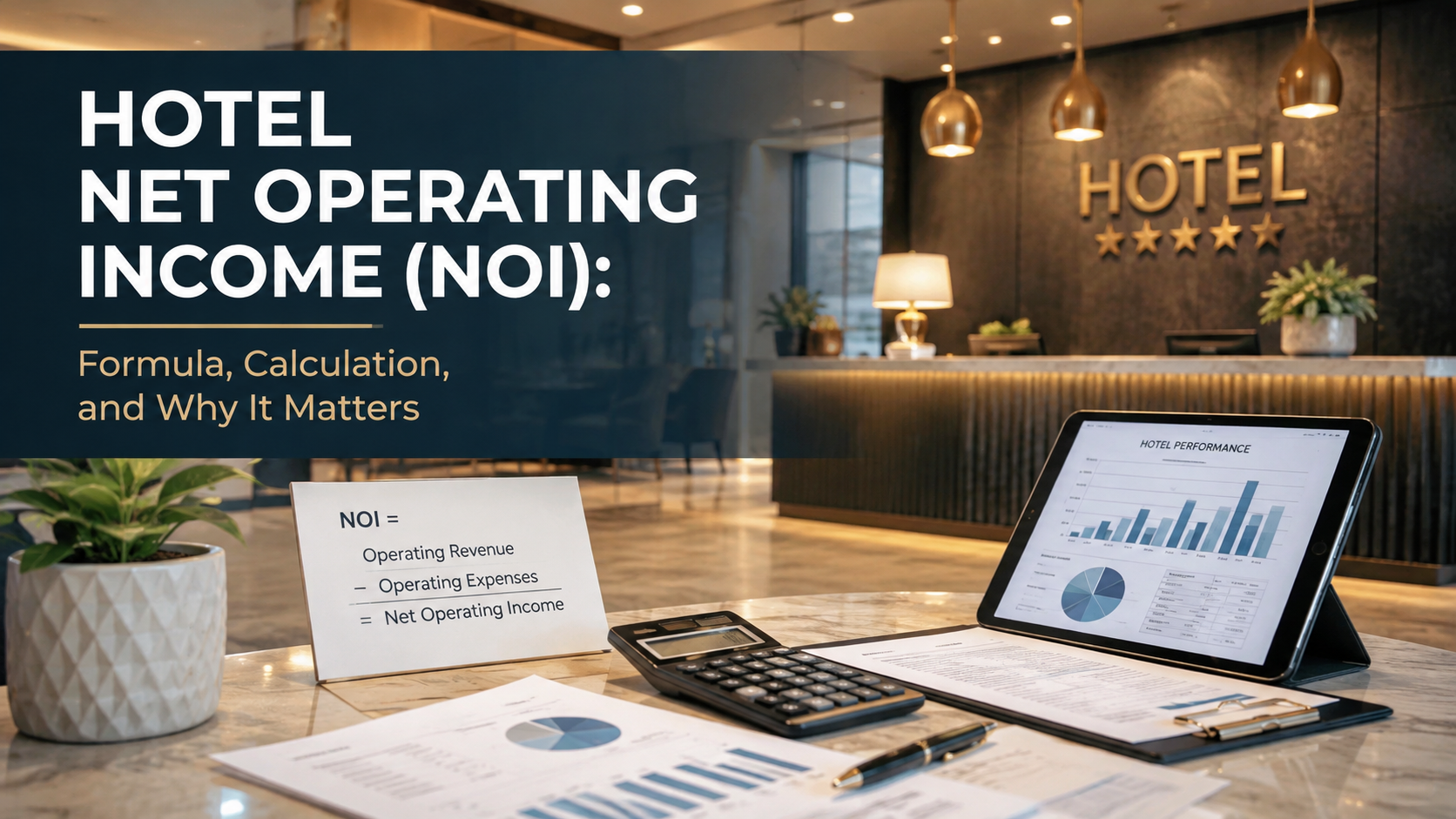
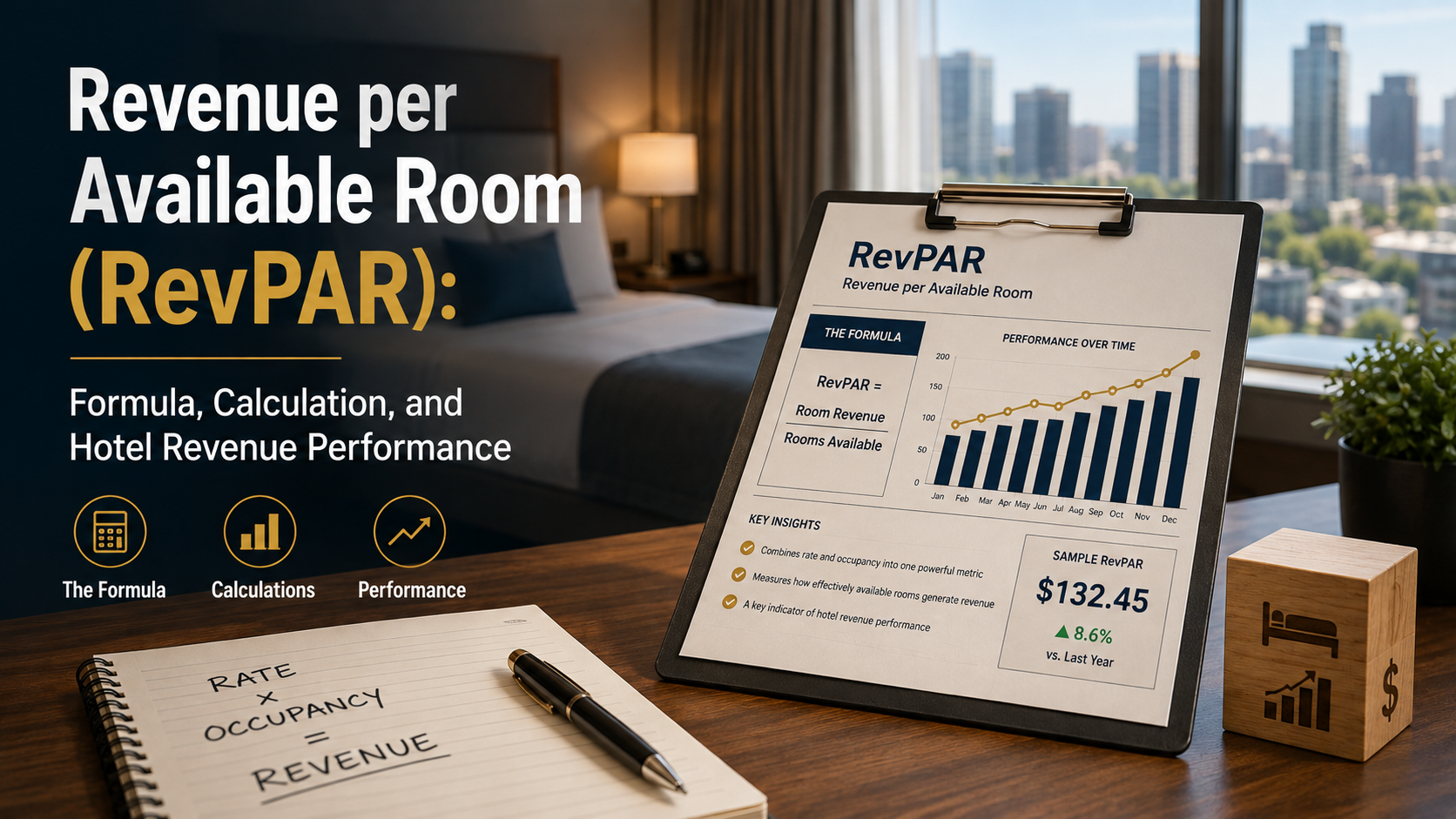
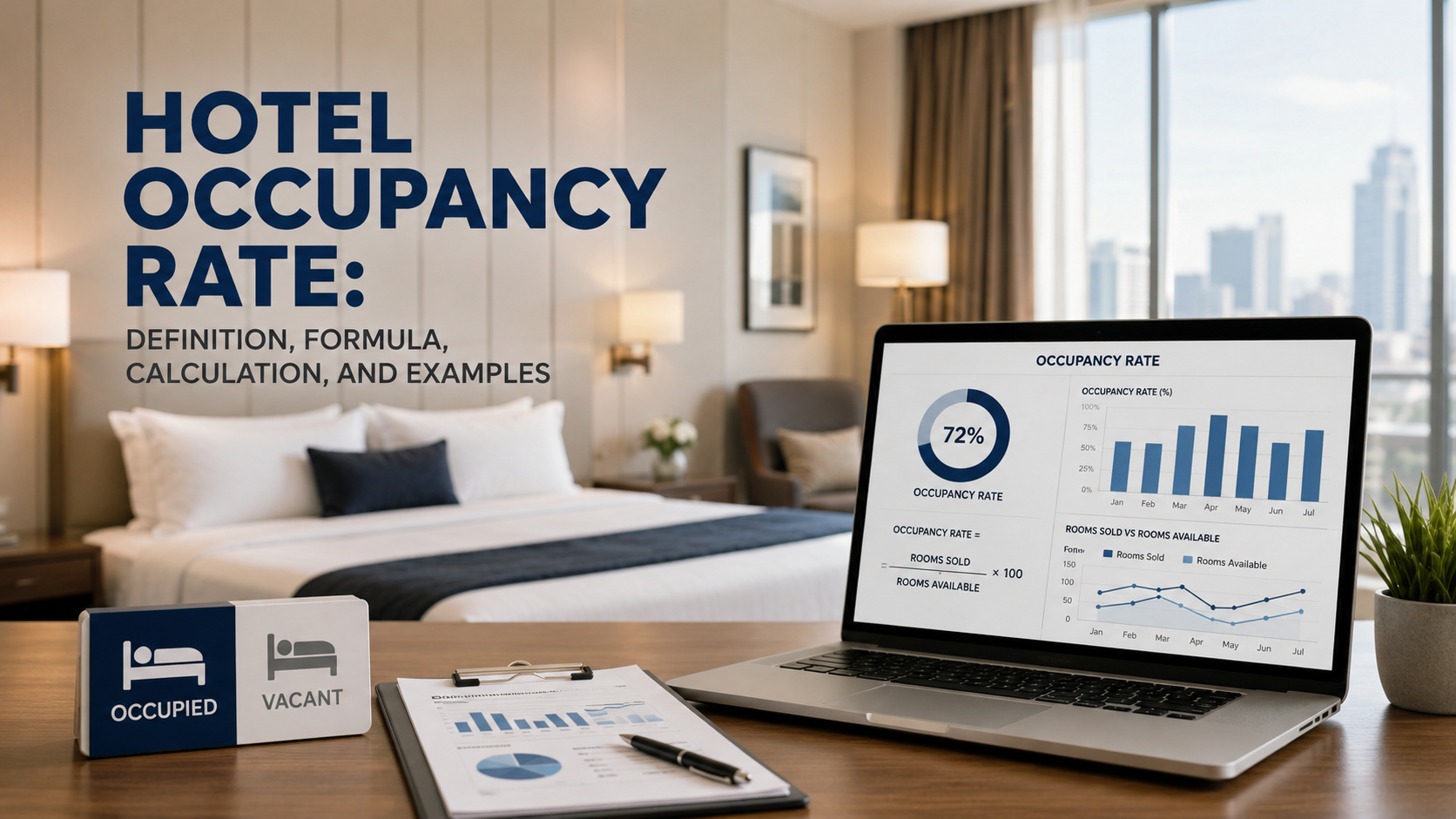
Hotel performance is measured through several core metrics that help owners and operators evaluate pricing, demand, revenue, and profitability. Average Daily Rate (ADR) measures the average room rate earned on occupied rooms, while Revenue per Available Room (RevPAR) combines room pricing and occupancy to provide a broader view of room revenue performance. Hotel Occupancy Rate measures the percentage of available rooms sold during a given period, and Hotel Net Operating Income (NOI) helps measure the property's profitability after operating expenses. Together, these metrics provide a clearer picture of a hotel's operational and financial performance.
Effective Marketing And Market Positioning
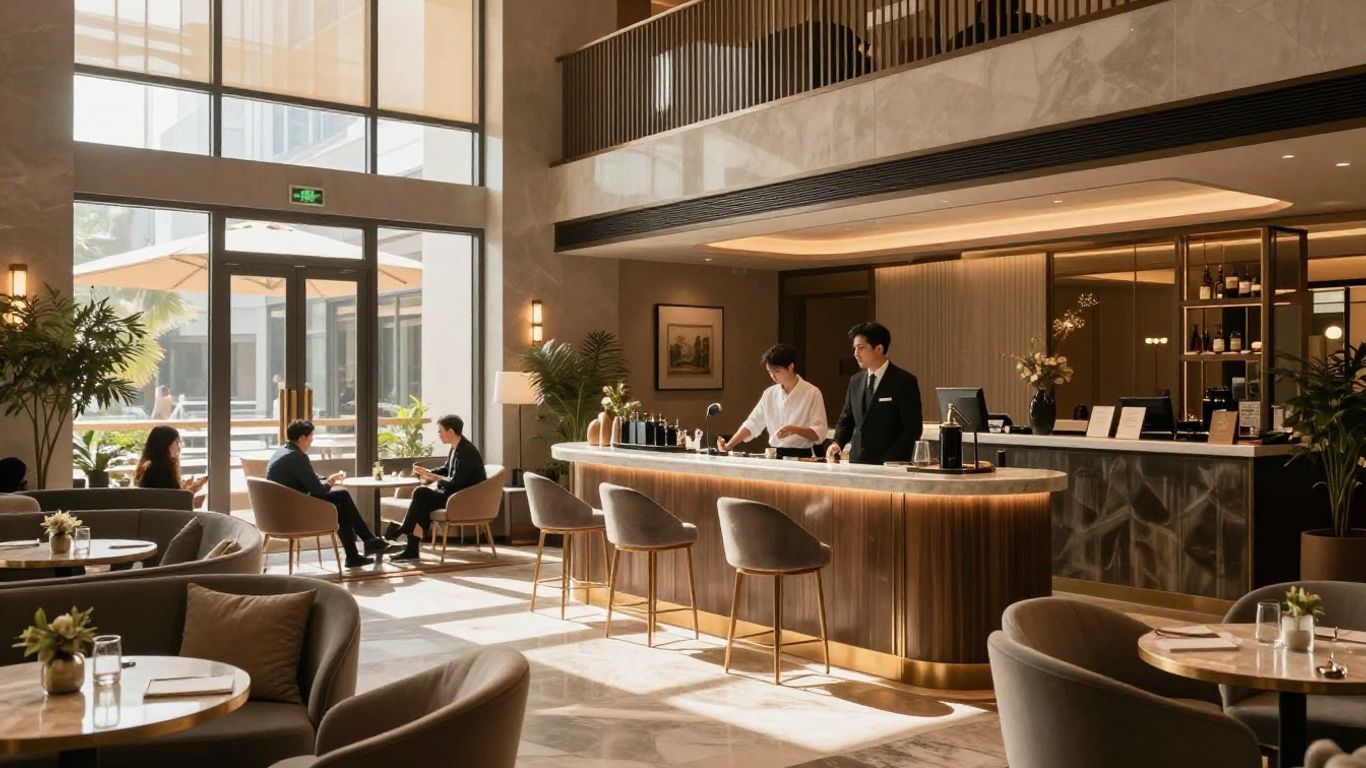
Getting your boutique hotel noticed is half the battle when it comes to boosting revenue. It's not just about having a beautiful property; it's about telling the right story to the right people. This means being smart about who you're trying to attract and how you present your hotel to them. A well-defined market position acts as a magnet for your ideal guests, making marketing efforts far more efficient and profitable.
Targeting Niche Market Segments
Instead of trying to appeal to everyone, boutique hotels thrive by focusing on specific groups of travelers. Think about who would most appreciate your unique style and services. Are you a haven for wellness retreats, a hub for art lovers, or a cozy spot for romantic getaways? Identifying these niches allows for tailored marketing messages that truly connect.
Here are some common niche segments to consider:
- Luxury Travelers: Guests seeking high-end amenities, personalized service, and exclusive experiences.
- Experiential Seekers: Travelers prioritizing unique activities, local immersion, and authentic cultural encounters.
- Business Travelers: Professionals needing convenient locations, reliable Wi-Fi, and comfortable workspaces.
- Wellness Enthusiasts: Guests looking for spas, healthy dining, and tranquil environments.
Understanding these segments helps you craft packages and promotions that directly address their desires. This targeted approach often leads to higher occupancy rates and increased guest satisfaction, as visitors feel the hotel was made just for them. It's about attracting guests who will not only book but also become advocates for your property.
Leveraging Social Media And Influencer Marketing To Increase Revenue
Social media is a powerful way for boutique hotels to attract guests and showcase their unique personality. Sharing high-quality photos, videos, guest experiences, and local attractions can increase visibility and encourage direct bookings. Engaging with followers through comments, reviews, and messages also helps build trust and strengthen relationships with potential guests.
Influencer marketing can further expand a hotel's reach. Partnering with travel bloggers and content creators allows hotels to connect with targeted audiences through authentic recommendations. When influencers share positive experiences, they can generate interest, increase brand awareness, and drive more bookings.
Using Unique Selling Propositions To Reward Customer Loyalty
A boutique hotel's unique selling proposition (USP) is what sets it apart from competitors. This could include personalized service, historic architecture, distinctive design, exceptional dining, or exclusive local experiences. Clearly communicating these strengths helps travelers understand why the property is worth choosing.
Rather than simply listing amenities, hotels should use storytelling to highlight what makes the guest experience special. Consistently promoting these unique features helps attract the right audience, improve guest satisfaction, and support long-term revenue growth.
Putting It All Together for Lasting Success
So, when you look at how boutique hotels make more money, it's really about smart planning and paying attention to the details. It’s not just about having a nice place; it’s about running it well. By focusing on things like guest experience, smart pricing, and keeping operations smooth, these smaller hotels can really stand out. This approach helps them build a loyal customer base and, importantly, boost their income year after year. It shows that with the right strategy, even smaller players can achieve significant financial wins in the hospitality market.
Frequently Asked Questions
How can boutique hotels make more money by improving guest experience?
Boutique hotels can boost their revenue by making each guest feel special. Personal touches like welcome gifts, custom room setups, and local recommendations help guests feel valued. When guests enjoy their stay, they are more likely to spend on extra services, return for future visits, and leave positive reviews, all of which drive higher profits.
What is dynamic pricing, and why is it important for boutique hotels?
Dynamic pricing means changing room rates based on demand, season, or local events. For boutique hotels, this helps capture higher rates when demand is strong and fill rooms during slow periods. Using this strategy can increase occupancy and average daily rate (ADR), leading to better overall revenue.
How can boutique hotels get more direct bookings and pay less in commissions?
To get more direct bookings, boutique hotels should have a user-friendly website, offer special deals for booking directly, and build a strong online brand. Loyalty programs and clear communication with past guests also encourage repeat bookings, reducing the need to pay high commissions to third-party sites.
What are some ways boutique hotels can earn extra income beyond room sales?
Boutique hotels can make extra money by offering room upgrades, selling packages, and providing unique food and drink experiences on-site. Partnering with local tour guides or businesses for exclusive guest activities also adds new revenue streams while making stays more memorable.
Why should boutique hotels use guest feedback and data for decision-making?
Guest feedback and performance data help boutique hotels spot areas for improvement and understand what guests value most. By listening to feedback and tracking key numbers like occupancy and RevPAR, hotels can make smarter choices to improve service, adjust pricing, and plan for future demand.
How does marketing help boutique hotels stand out and attract the right guests?
Effective marketing helps boutique hotels show what makes them unique, like special themes, local partnerships, or exclusive experiences. Using social media, targeting niche groups, and sharing guest stories can attract travelers looking for something different, leading to higher occupancy and better revenue.
More Recent Articles