How Much Do Boutique Hotels Make?
Unveiling the Profits: How Much Do Boutique Hotels Make?


How Much Do Boutique Hotels Make? A Complete Profitability Guide
So, you're curious about how much boutique hotels actually make? It's a question many in the hospitality world ponder. These unique spots aren't your typical chain hotels. They often have a distinct vibe and cater to a specific crowd. Figuring out their financial picture involves looking at a few different things, from what they charge per night to how much they spend to keep the place running smoothly.
Let's break down how much do boutique hotels make and what goes into that number.
Key Takeaways
- Boutique hotel profits depend on more than just room rates; operational costs and occupancy play big roles.
- Location, the quality of the guest experience, and how well the hotel is branded significantly impact earnings.
- Key financial metrics like ADR, RevPAR, and NOI help gauge a boutique hotel's success.
- Strategies like smart pricing, offering extra services, and encouraging direct bookings can boost revenue.
- Tourism trends, especially experiential and luxury travel, directly influence demand and a boutique hotel's profitability.
Understanding Boutique Hotel Profitability Drivers
When we talk about boutique hotels, we're often thinking about unique design and personalized service. But for investors, the real question is about the bottom line. What actually makes these places tick financially? It's not just about looking good; it's about smart operations and understanding the core elements that drive profit.
Key Revenue Streams for Boutique Hotels
Boutique hotels pull in money from a few main places. Of course, there's the room rate, but that's just the start. Think about the food and drinks, any special events they host, and even things like spa services or curated local experiences they might offer. Each of these touchpoints is an opportunity to generate revenue beyond just a place to sleep.
- Room Revenue: This is the bread and butter, directly tied to how many rooms are booked and at what price. Getting this right is step one.
- Food & Beverage (F&B): Restaurants, bars, and even in-room dining can be significant profit centers, especially if they have a strong local following.
- Ancillary Services: This covers everything from spa treatments and fitness classes to gift shops and charging for high-speed Wi-Fi.
- Event & Meeting Spaces: Many boutique hotels have unique spaces that can be rented out for private events, weddings, or small corporate meetings.
Understanding where the money comes from helps in planning and investing. It's about maximizing each stream, not just focusing on one.
Operational Expenses Impacting Margins
Now, let's talk about what costs money. Running a hotel, especially one focused on a high-touch experience, isn't cheap. Staffing is a big one – you need good people to deliver that boutique feel. Then there's marketing to get the word out, keeping the place looking sharp with maintenance and housekeeping, and all the utilities. Controlling these costs without sacrificing the guest experience is the balancing act.
Here's a quick look at common expenses:
- Labor Costs: Salaries, benefits, and training for all staff, from front desk to housekeeping.
- Utilities: Electricity, water, gas, and internet are ongoing necessities.
- Supplies & Inventory: Everything from toiletries and linens to food and beverage stock.
- Marketing & Sales: Advertising, online presence, and sales commissions.
- Repairs & Maintenance: Keeping the property in top condition.
It’s easy to see how these costs can eat into profits if not managed carefully. Smart operators keep a close eye on these numbers.
The Role of Occupancy Rates and ADR
These two metrics are like the heartbeat of hotel performance. Occupancy rate tells you how full the hotel is, and Average Daily Rate (ADR) tells you how much you're making per occupied room. You can't really have a profitable hotel without paying attention to both. A high occupancy with a low ADR might mean you're leaving money on the table, while a high ADR with low occupancy suggests pricing or demand issues. Finding that sweet spot is key. For a deeper look at ADR, you can check out hotel metric ADR.
Ultimately, understanding these core drivers – revenue sources, expenses, and key performance indicators like occupancy and ADR – is the first step to assessing the financial health and potential of any boutique hotel investment. It's about seeing the numbers behind the style.
Factors Influencing How Much Boutique Hotels Make
When we talk about how much money boutique hotels actually bring in, it's not just about filling rooms. A bunch of things play a role, and understanding them is key for any investor looking at this market. It’s a bit like a recipe; you need the right ingredients in the right amounts to get a great dish.
Location and Market Demand
The location of a boutique hotel plays a major role in determining its revenue potential. Properties situated in popular tourist destinations, vibrant downtown districts, or areas with strong business travel demand often enjoy higher occupancy rates and can command premium room prices.
Easy access to attractions, restaurants, entertainment venues, and transportation hubs further enhances a hotel's appeal. Strong market demand creates more opportunities for consistent bookings, making location one of the most important factors influencing how much boutique hotels make.
Guest Experience and Service Excellence
Exceptional guest experiences are often what set boutique hotels apart from larger hotel chains. Personalized service, unique amenities, thoughtful design, and attention to detail can create memorable stays that encourage repeat visits and positive reviews.
Satisfied guests are more likely to recommend the property to others, helping drive future bookings and strengthen the hotel's reputation. Consistently delivering high-quality service can support premium pricing and improve overall profitability.
Branding and Market Positioning
A strong brand identity helps boutique hotels stand out in a competitive hospitality market. Whether positioned as a luxury retreat, design-focused property, wellness destination, or locally inspired getaway, clear branding attracts travelers seeking a specific experience.
Effective market positioning allows hotels to justify higher rates, build guest loyalty, and reduce dependence on third-party booking platforms. Over time, a recognizable brand can contribute significantly to revenue growth and long-term profitability.
Financial Benchmarks for Boutique Hotel Success
When looking at boutique hotels from an investor's perspective, understanding the key financial benchmarks is non-negotiable. These metrics tell the real story of a property's performance and its potential for returns. It's not just about how many rooms are filled, but how effectively the hotel is turning those stays into profit.
Average Daily Rate (ADR) Performance
The Average Daily Rate, or ADR, is a straightforward metric: total room revenue divided by the number of rooms sold. For boutique hotels, a strong ADR often signals successful market positioning and the ability to command premium pricing due to unique offerings or exceptional service. Investors watch ADR closely as a primary indicator of pricing power.
Here's how ADR can vary:
- Luxury Boutique: Can see ADRs well over $500, driven by high-end amenities and exclusive experiences.
- Lifestyle Boutique: Often falls in the $250-$450 range, balancing unique design with accessible luxury.
- Budget-Conscious Boutique: Might operate between $150-$250, focusing on design and location at a more attainable price point.
Understanding where a hotel's ADR sits relative to its competitive set and its own historical performance is key. A rising ADR, especially when occupancy is stable or growing, is a very positive sign for profitability.
Revenue Per Available Room (RevPAR) Insights
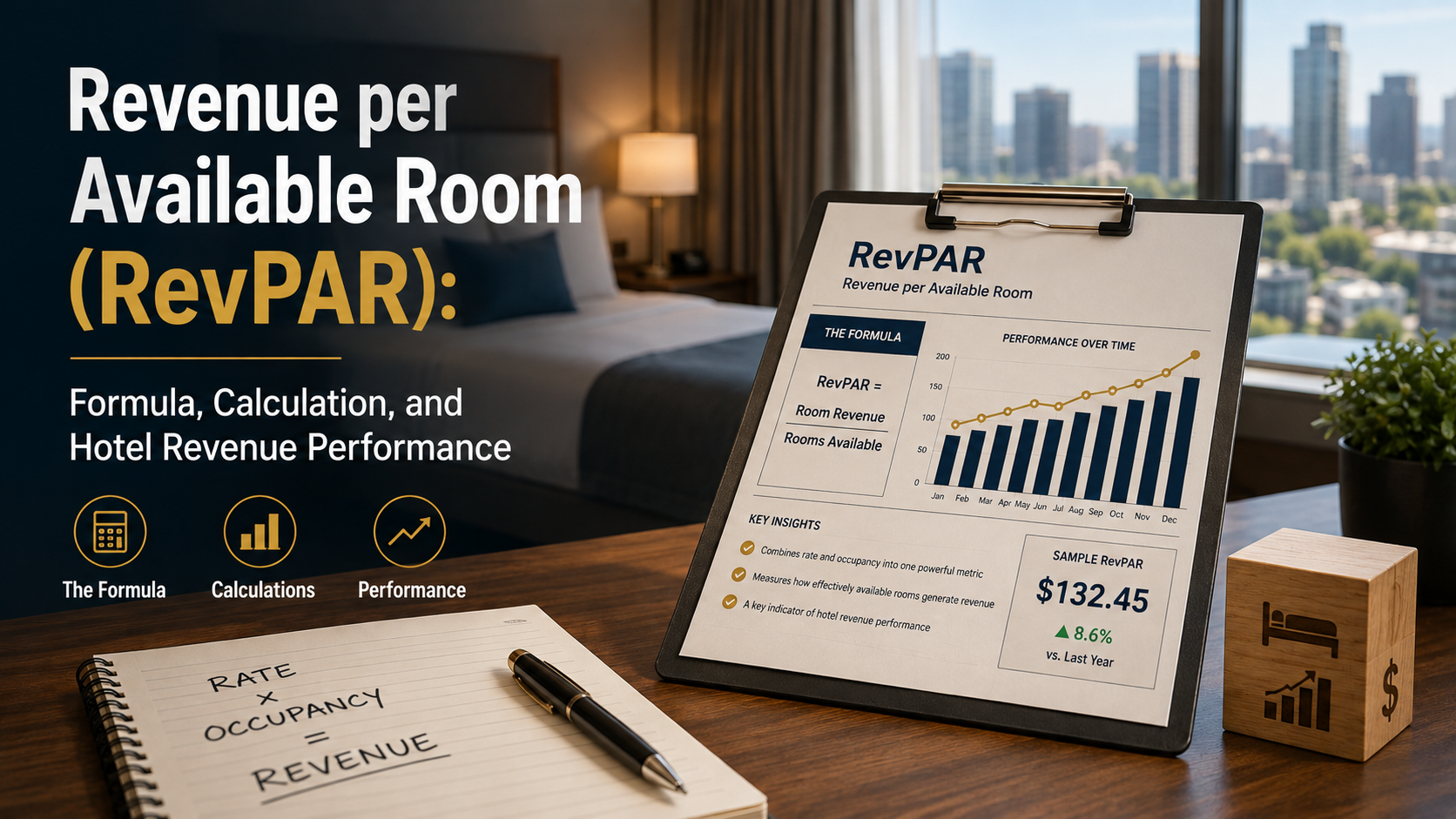
RevPAR (Revenue Per Available Room) takes ADR a step further by factoring in occupancy. It's calculated as ADR multiplied by the occupancy rate, or total room revenue divided by the total number of available rooms. This metric gives a more complete picture of a hotel's ability to generate revenue from its entire room inventory.
For boutique hotels, RevPAR is a critical measure because it reflects both how well they are pricing their rooms and how successfully they are filling them. A high RevPAR suggests efficient operations and strong market demand. It's a benchmark that directly impacts the hotel's overall financial health and its attractiveness to investors looking for consistent returns. Analyzing boutique hotel revenue management strategies is often tied to optimizing this very metric.
Net Operating Income (NOI) Expectations
Net Operating Income (NOI) is arguably the most important metric for investors. It represents the property's profitability after deducting all operating expenses but before accounting for debt service, depreciation, and income taxes. Essentially, it's the cash flow generated by the hotel's operations.
For boutique hotels, achieving a healthy NOI is the ultimate goal. It demonstrates that the business model is sound, the operations are efficient, and the property is generating real profit that can be distributed to owners or reinvested.
When evaluating a boutique hotel investment, investors will look at:
- Gross Potential Rent: The total revenue if all rooms were occupied at market rates.
- Vacancy and Credit Losses: Estimated revenue lost due to empty rooms or non-payment.
- Operating Expenses: Costs like staffing, utilities, marketing, and maintenance.
- Net Operating Income: The final profit figure before financing and taxes.
Expectations for NOI can vary wildly based on location, market conditions, and the specific niche of the boutique hotel. However, a consistent and growing NOI is a strong indicator of a well-managed and profitable asset, reflecting the success of boutique hotel management practices.
Maximizing Revenue in Boutique Hotel Operations
Generating strong returns from a boutique hotel isn't just about having a stylish lobby or comfortable beds. It's about smart operations that squeeze every dollar of potential revenue from your property. For investors, understanding these revenue-boosting tactics is key to assessing a hotel's true earning power.
Dynamic Pricing Strategies
Setting the right price at the right time is a constant balancing act. Boutique hotels, with their unique appeal, can often command premium rates, but this requires a flexible approach. Gone are the days of static room rates. Instead, think about how demand shifts daily, weekly, and seasonally.
- Monitor competitor pricing: Keep a close eye on what similar hotels in your area are charging.
- Adjust rates based on demand: Increase prices during peak seasons, local events, or high-demand weekends. Lower them during off-peak times to attract more bookings.
- Consider length-of-stay discounts: Offer incentives for guests booking longer stays, which can improve occupancy and reduce turnover costs.
- Implement tiered pricing: Different room types or views should naturally have different price points, but ensure these are clearly communicated and justified.
This constant adjustment, often referred to as hotel revenue management, helps capture the maximum possible revenue from each available room.
The goal is to sell the right room to the right customer at the right time for the right price. This requires a deep understanding of market dynamics and guest behavior, moving beyond simple occupancy targets to focus on overall profitability.
Ancillary Revenue Opportunities
Beyond room bookings, boutique hotels have a goldmine of opportunities to generate extra income. These are the services and products guests are willing to pay for, often because they add to the unique experience the hotel provides.
- Food and Beverage: High-quality on-site restaurants, bars, or even curated in-room dining options can be significant profit centers.
- Spa and Wellness Services: If your hotel has a spa, this is a direct revenue stream. Even without one, consider partnerships with local wellness providers.
- Experiences and Tours: Curate unique local experiences, like cooking classes, wine tastings, or guided city tours, and charge a premium for the convenience and exclusivity.
- Retail: Selling local artisan goods, branded merchandise, or travel essentials can add up.
- Parking and Valet Services: Especially in urban areas, these are often expected and can be charged accordingly.
Optimizing Direct Bookings
While online travel agencies (OTAs) are important for visibility, they come with hefty commission fees. A strategic focus on encouraging guests to book directly through the hotel's own website can significantly boost net revenue. This is where strategic distribution and pricing come into play.
- Offer Best Rate Guarantees: Assure guests they won't find a lower price elsewhere.
- Provide Exclusive Perks: Offer direct bookers added benefits like complimentary breakfast, late checkout, or room upgrades.
- Invest in a User-Friendly Website: Make the booking process on your own site as smooth and intuitive as possible.
- Implement Loyalty Programs: Reward repeat guests who book directly, fostering a sense of community and encouraging future direct reservations.
By focusing on these operational levers, boutique hotels can move beyond just filling rooms to truly maximizing their financial performance and delivering attractive returns for investors.
The Impact of Tourism Trends on Boutique Hotel Earnings

Tourism isn't just about people traveling; it's a dynamic force that directly shapes how much boutique hotels can earn. Understanding these shifts is key for any investor looking at this sector. What people want from their travel experiences changes, and boutique hotels, with their focus on uniqueness, are often the first to feel these effects, both positively and negatively.
Experiential Travel and Guest Segmentation
The rise of experiential travel means guests are looking for more than just a bed. They want authentic local experiences, unique design, and a story to tell. Boutique hotels are perfectly positioned for this, often offering curated activities or being located in vibrant neighborhoods. This focus allows them to attract specific guest segments willing to pay a premium for a memorable stay. This shift towards 'doing' rather than just 'seeing' is a significant driver of higher occupancy and average daily rates (ADR) for well-positioned boutique properties.
- Local Immersion: Guests seek out hotels that act as gateways to local culture, food, and activities.
- Unique Design & Ambiance: Distinctive architecture, art, and interior design become major draws.
- Personalized Service: Tailored recommendations and attentive, individual service are highly valued.
- Authentic Experiences: Opportunities for hands-on activities, like cooking classes or artisan workshops, are increasingly popular.
These elements allow boutique hotels to differentiate themselves from larger, more standardized chains. By catering to travelers who prioritize these aspects, boutique hotels can command higher rates and build a loyal customer base. This segmentation is vital for revenue optimization.
The modern traveler, especially the kind drawn to boutique properties, isn't just booking a room; they're investing in an experience. This means the hotel's ability to provide a narrative and connect guests with the local fabric of a destination is directly tied to its earning potential.
Seasonality and Demand Fluctuations
Tourism patterns and seasonal demand can greatly impact boutique hotel earnings throughout the year. Hotels located in beach destinations, ski regions, or event-driven markets often experience peak and off-peak periods that influence occupancy and room rates.
Successful operators adapt their pricing strategies, marketing efforts, and promotional offers to maximize revenue during high-demand periods while maintaining bookings during slower seasons. Understanding these fluctuations is essential for maintaining stable financial performance.
Luxury Tourism's Influence on Profitability
Luxury tourism is a significant segment that often overlaps with the boutique hotel market. Travelers in this segment have high expectations for service, amenities, and exclusivity. Boutique hotels that can consistently deliver a high-end, personalized experience can capture a substantial share of this lucrative market.
The ability to offer bespoke services, from private dining to curated excursions, allows these properties to justify premium pricing. This focus on quality and exclusivity can lead to impressive revenue per available room figures, making them attractive assets for investors seeking strong returns, provided the operational standards are meticulously maintained.
Investment Perspectives on Boutique Hotel Returns
When looking at boutique hotels from an investor's standpoint, it's all about the potential return on investment. These aren't your average chain hotels; they're unique properties that can command higher rates if they hit the right notes with guests. But like any investment, there are costs and risks involved.
Capital Expenditures and Renovation Costs
Getting a boutique hotel ready for guests, or keeping it competitive, often means significant upfront investment. Think about the unique design elements, high-quality furnishings, and specialized amenities that define a boutique experience. These aren't cheap.
- Initial Property Acquisition: The purchase price of a well-located property is the first hurdle.
- Renovation and Design: This is where the boutique charm is built. Custom interiors, unique art, and specialized lighting can add up fast.
- Technology Upgrades: Modern guests expect seamless Wi-Fi, smart room features, and efficient booking systems.
- Ongoing Maintenance: Keeping a unique property looking its best requires constant attention and budget.
These costs directly impact how quickly an investment can become profitable. A poorly planned renovation can eat into profits for years, while a well-executed one can set the stage for premium pricing and guest loyalty.
Investors need to see a clear plan for how these capital expenditures will translate into higher revenue and a stronger market position. It's not just about spending money; it's about strategic investment in the guest experience.
Valuation Metrics for Boutique Properties
How do you even figure out what a boutique hotel is worth, or what kind of return you can expect? It's not as simple as looking at square footage. Several key metrics come into play.
- Revenue Per Available Room (RevPAR): This is a standard industry metric, combining occupancy and average daily rate (ADR). For boutique hotels, a high RevPAR often signals strong demand and effective pricing.
- Net Operating Income (NOI): This shows the property's profitability after operating expenses but before debt service and taxes. A healthy NOI is a strong indicator of a well-run hotel.
- Cash-on-Cash Return: This measures the annual return on the actual cash invested. For boutique hotels, investors often look for cash-on-cash returns of 8-12% if the property is managed and staffed effectively.
Understanding these numbers helps investors compare different opportunities and assess the financial health of a potential acquisition. It's about looking beyond the aesthetics to the underlying financial performance.
Investor Appetite for Boutique Hotel Assets
Investor interest in boutique hotels continues to grow as travelers increasingly seek unique and experience-driven accommodations. Well-managed boutique properties with strong financial performance, distinctive branding, and favorable locations can attract significant investment attention. Investors often evaluate metrics such as revenue growth, occupancy, ADR, RevPAR, and NOI when assessing opportunities. A strong market position and proven operational success can increase asset value and make boutique hotels attractive additions to hospitality investment portfolios.
The Bottom Line on Boutique Hotel Profits
So, what's the real story with boutique hotel earnings? It's not a simple number, that's for sure. While some boutique spots can pull in serious cash, especially those with a unique vibe and prime locations, others struggle to keep the lights on. It really comes down to smart management, understanding your guests, and keeping those rooms booked.
The market is competitive, and just having a cool design isn't enough. Owners need to focus on operational efficiency and guest experience to see those profits grow. It's a balancing act, but when it works, it really works.
Frequently Asked Questions
What makes a hotel a 'boutique' hotel?
A boutique hotel is a small, stylish hotel with a unique theme or personality. Think of it as a cozy, personalized alternative to large, impersonal hotels. They often focus on offering a special experience rather than just a place to sleep.
How do boutique hotels make money?
Boutique hotels earn money mainly from selling rooms, just like any hotel. They also make extra cash from things like their restaurants, bars, spas, or by offering special packages and services that guests want to pay for.
What costs do boutique hotels have?
Running a boutique hotel involves many costs. These include paying staff, keeping the place clean and well-maintained, buying supplies, marketing to attract guests, and paying for utilities like electricity and water. The unique style also means higher costs for decor and upkeep.
Does the hotel's location affect how much money it makes?
Absolutely! A hotel in a popular tourist spot or a bustling city center will likely attract more guests and can charge higher prices. If fewer people want to visit the area, the hotel might struggle to fill its rooms and make as much profit.
How important is the guest experience for profits?
The guest experience is super important for boutique hotels. When guests have a fantastic stay, they're more likely to return, recommend the hotel to friends, and leave good reviews online. This all helps bring in more business and allows the hotel to charge what it's worth.
Can boutique hotels make as much money as big hotels?
It depends! While big hotels benefit from having many rooms, boutique hotels can make a lot of money by offering a special, high-quality experience that guests are willing to pay a premium for. Their smaller size means they need to be smart about pricing and services to be highly profitable.
More Recent Articles