Guest Communication Strategies for Hotels
Guest Communication Strategies for Hotels

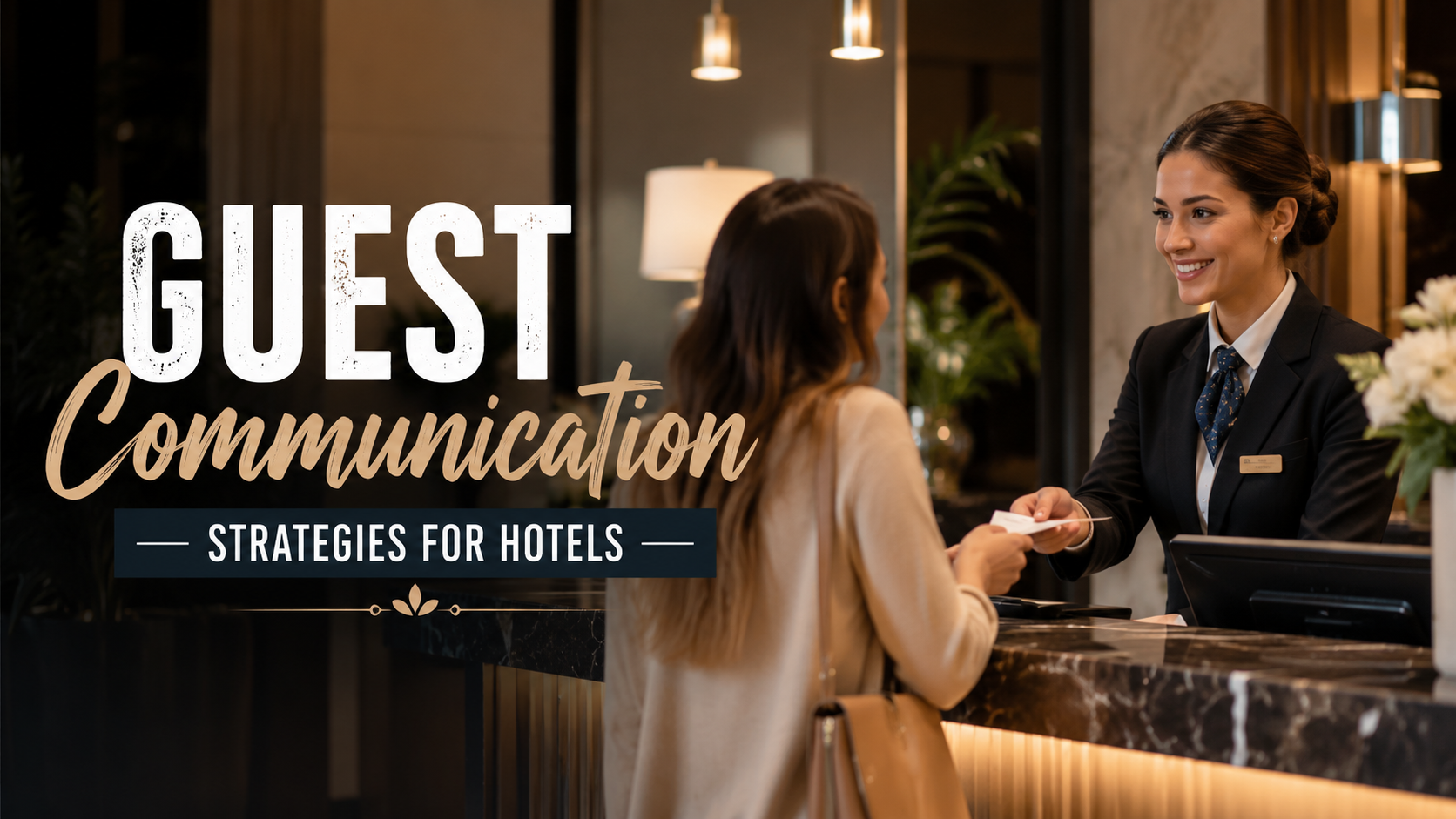
Improve the Guest Experience Through Effective Hotel Communication
Effective guest communication is at the heart of exceptional hospitality. Every interaction—from booking confirmations and pre-arrival updates to in-stay support and post-stay follow-ups—helps shape the guest experience. Clear, timely, and personalized communication builds trust, strengthens relationships, and encourages repeat visits.
For hotel owners, managers, operators, and investors, communication is more than customer service. It improves operational efficiency, supports guest satisfaction, strengthens online reputation, and contributes to long-term business performance. Hotels that communicate proactively are better equipped to meet rising guest expectations while creating a consistent experience at every touchpoint.
This guide explores practical guest communication strategies that help hotels improve service, streamline operations, and build lasting guest relationships.
Creating Better Guest Experiences Through Communication
Communication influences every stage of the guest journey. Before arrival, guests expect clear information and confidence that everything is ready for their stay. During their visit, they value quick responses, accurate information, and personalized service, while thoughtful follow-up after checkout helps encourage loyalty and repeat bookings.
Poor communication can negatively affect even an excellent stay. Delayed responses, unclear instructions, or inconsistent information often create unnecessary frustration that leads to complaints or negative reviews. By communicating proactively, hotels reduce uncertainty, improve guest confidence, and create a smoother overall experience.
Strong communication also benefits hotel operations. When guests receive the right information at the right time, staff spend less time answering repetitive questions and more time delivering exceptional hospitality.
The Psychology of Hospitality Communication
Successful communication is about more than sharing information—it shapes how guests feel throughout their stay. Friendly, proactive, and personalized interactions create confidence before arrival, provide reassurance during the stay, and leave a lasting positive impression after departure.
Guests often remember how a hotel made them feel more than individual amenities. Recognizing returning guests, responding with empathy, and following up after resolving concerns show genuine care while strengthening trust and loyalty.
Communication also plays a critical role during service recovery. When unexpected issues arise, honest updates, active listening, and sincere apologies help restore guest confidence. Hotels that handle challenges with transparency often turn disappointing situations into opportunities to build stronger relationships.
The Complete Guest Journey
Effective communication should support guests before, during, and after every stay. A consistent communication strategy helps hotels reduce uncertainty, improve efficiency, and create a seamless guest experience from reservation to checkout.
Before Arrival
The guest journey begins as soon as a reservation is confirmed. Early communication helps guests feel prepared while reducing common questions before arrival.
Hotels should provide:
- Reservation confirmation and booking details
- Check-in and check-out information
- Parking and transportation instructions
- Hotel policies and frequently asked questions
- Room upgrades or special packages
- Recommendations for nearby attractions and dining
Providing these details in advance creates a smoother arrival experience while helping guests feel confident about their upcoming stay.
During the Stay
Communication shouldn't stop after check-in. Guests expect timely responses, accurate information, and personalized service throughout their visit.
Hotels can enhance communication by:
- Responding quickly to guest requests
- Sharing hotel events and local recommendations
- Providing updates about maintenance or service changes
- Following up after resolving guest concerns
- Remembering guest preferences for future interactions
Proactive communication helps hotels anticipate guest needs rather than simply reacting to them.
After Departure
The guest relationship continues after checkout. Following up with personalized communication demonstrates appreciation while encouraging future stays.
Hotels should consider:
- Sending thank-you emails
- Requesting guest feedback and online reviews
- Sharing exclusive offers or loyalty rewards
- Promoting seasonal packages and upcoming events
- Inviting guests to book directly for their next visit
Maintaining communication after departure strengthens loyalty while providing valuable insights that help improve future guest experiences.
Develop Stronger Guest Communication Practices
Effective communication benefits every part of a hotel's operation. Beyond improving guest satisfaction, it helps streamline workflows, strengthen teamwork, and support long-term business growth. Hotels that invest in clear communication often experience higher guest loyalty, better online reviews, and improved operational performance. (CHENNAIS)
Higher Guest Satisfaction
Guests appreciate knowing what to expect before, during, and after their stay. Clear instructions, timely updates, and personalized recommendations reduce uncertainty while helping guests feel welcomed and valued.
When expectations are met through consistent communication, guests are more likely to leave positive reviews and recommend the hotel to others.
Stronger Guest Loyalty
Loyalty begins with positive experiences. Guests who feel recognized and cared for are more likely to return, book directly, and recommend the property to friends and family.
Simple gestures like remembering guest preferences, sending personalized follow-ups, or acknowledging special occasions help strengthen long-term relationships.
Improved Online Reputation
Many negative reviews stem from communication issues rather than the accommodations themselves. Delayed responses, unclear policies, or inconsistent information can quickly affect a guest's perception of the hotel.
Proactive communication helps manage expectations, resolve concerns quickly, and encourage more positive online reviews.
Better Hotel Operations
Strong communication doesn't only benefit guests—it also improves day-to-day hotel operations. Providing clear information before arrival reduces repetitive questions, while efficient coordination between departments helps prevent service delays.
When every team member communicates consistently, hotels deliver a smoother and more reliable guest experience.
Stronger Financial Performance
Satisfied guests are more likely to return, recommend the hotel, and book directly in the future. Higher guest retention, positive reviews, and repeat business all contribute to sustainable revenue growth.
For owners and investors, communication is not simply a customer service function—it's an important part of building a profitable and resilient hotel business.
Measuring the Success of Your Guest Communication Strategy
An effective communication strategy should produce measurable results. Tracking performance helps hotels identify opportunities for improvement while ensuring communication supports both guest satisfaction and business objectives.
Useful metrics include:
- Guest satisfaction scores (CSAT)
- Online review ratings
- Average response time
- Guest request resolution time
- Repeat guest percentage
- Direct booking rate
- Guest feedback survey results
- Staff response consistency
Reviewing these metrics regularly helps hotels refine communication processes and deliver more consistent guest experiences.
Communication Challenges Hotels Must Overcome
Even with well-designed communication strategies, hotels face challenges that can affect the guest experience. Recognizing these obstacles helps teams respond more effectively while maintaining consistent service across every stage of the guest journey.
Meeting Rising Guest Expectations
Today's travelers expect fast responses, personalized service, and accurate information across every communication channel. Hotels that fail to meet these expectations may experience lower guest satisfaction and negative online reviews.
Setting clear service standards and responding proactively helps build confidence while creating more positive guest experiences.
Maintaining Consistency Across Departments
Guests interact with multiple teams throughout their stay, including the front desk, housekeeping, maintenance, concierge, and food and beverage staff. Inconsistent communication between departments can create confusion and unnecessary service delays.
Regular team meetings, standardized procedures, and shared communication tools help ensure every employee delivers accurate and consistent information.
Managing High Communication Volumes
Busy seasons often bring increased reservations, guest inquiries, and service requests. Without efficient processes, response times may slow while important details become easier to overlook.
Hotels can improve efficiency by using communication tools, automating routine messages, and establishing clear workflows for handling guest requests.
Overcoming Language and Accessibility Barriers
Hotels welcome guests from diverse backgrounds with different communication preferences and accessibility needs. Providing multilingual resources, visual instructions, and accessible communication options helps create a more inclusive guest experience.
Clear, easy-to-understand communication also reduces misunderstandings while making every guest feel welcome and supported.
Balancing Technology with Personal Service
Technology improves efficiency, but hospitality should always remain personal. Automated messages, self-service options, and digital communication tools should complement—not replace—genuine human interaction.
Hotels that combine technology with empathy, professionalism, and personalized service create stronger guest relationships while improving operational performance.
Build a Consistent Communication Culture
Great guest communication starts behind the scenes. Every employee should understand how to communicate professionally while delivering the same level of service across every department.
Hotels can strengthen communication by:
- Developing clear communication standards.
- Training employees in active listening and empathy.
- Standardizing responses for common guest questions.
- Sharing important guest information between departments.
- Encouraging collaboration when resolving guest concerns.
Consistency helps guests receive the same high-quality experience regardless of who assists them.
Communicate Across Multiple Channels
Today's travelers expect flexibility. Some guests prefer email, while others choose text messages, phone calls, mobile apps, or online messaging platforms.
Hotels should maintain consistent communication across every channel by:
- Using the same tone and messaging.
- Providing timely responses.
- Keeping reservation details accurate.
- Updating guests immediately when plans change.
An omnichannel approach creates a seamless experience while reducing confusion throughout the guest journey.
Prioritize Accessibility and Guest Privacy
Every guest should be able to communicate comfortably with the hotel. Providing accessible communication options, multilingual resources when appropriate, and clear visual information helps create a more inclusive experience.
Hotels should also protect guest information by using secure communication practices and respecting privacy when collecting personal preferences or sending emails and text messages. Responsible data handling builds trust while supporting long-term guest relationships.
10 Guest Communication Strategies Every Hotel Should Use
1. Personalize Every Message to Strengthen Guest Relationships
Personalization helps guests feel recognized rather than treated as another reservation. Address guests by name whenever possible and tailor communication based on their booking details, previous stays, or special requests.
Hotels can further personalize communication by remembering guest preferences, such as room location, dietary requirements, accessibility needs, or special occasions. Small details demonstrate genuine care and help create memorable experiences that encourage repeat visits.
2. Get Ahead with Clear Pre-Arrival Communication
Guests should feel informed before they arrive. Sending reservation confirmations, check-in instructions, parking information, hotel policies, and local recommendations helps reduce uncertainty while creating a smoother arrival experience.
Pre-arrival communication is also an opportunity to answer common questions, offer room upgrades, promote hotel amenities, or recommend nearby attractions. Proactively sharing information reduces repetitive inquiries while helping staff prepare for guest arrivals.
3. Offer Multiple Communication Channels
Today's travelers expect the flexibility to communicate using their preferred method. Hotels should provide consistent support through email, phone, SMS, mobile messaging, guest apps, or other approved communication platforms.
Regardless of the channel, guests should receive timely, accurate, and consistent information. An omnichannel communication strategy creates a seamless experience while improving convenience throughout the guest journey.
4. Respond Promptly Throughout the Guest's Stay
Fast responses demonstrate professionalism and reassure guests that their needs are a priority. Whether answering a simple question or resolving a maintenance issue, timely communication builds confidence and improves the overall experience.
Hotels should establish response time standards for guest requests and ensure departments communicate effectively when assistance is required. Quick updates are often just as valuable as immediate solutions because they show guests their concerns are being addressed.
5. Handle Guest Concerns with Empathy and Transparency
Even the best hotels occasionally encounter service issues. How staff communicates during these moments often has a greater impact than the problem itself.
Listen carefully, acknowledge the guest's concerns, explain the next steps, and provide regular updates until the issue is resolved. Effective service recovery, combined with honest communication and sincere follow-up, can restore guest confidence and strengthen long-term loyalty.
6. Establish Consistent Communication Standards
Consistency helps guests know what to expect regardless of who they interact with. Every department should follow the same communication standards, tone, and service expectations to deliver a reliable guest experience.
Hotels can improve consistency by creating communication guidelines, documenting common responses, and conducting regular staff training. A unified brand voice builds trust while reinforcing professionalism throughout the guest journey.
7. Anticipate Guest Needs Before They Ask
Exceptional hospitality is proactive rather than reactive. Anticipating guest needs helps reduce questions, prevent common issues, and create a more personalized stay.
Hotels can anticipate guest expectations by sending weather updates, notifying guests about maintenance work, sharing local event information, or providing dining recommendations before they're requested. Taking the initiative demonstrates attentiveness while improving the overall guest experience.
8. Use Guest Feedback to Improve Communication
Every interaction provides valuable insight into what guests appreciate and where communication can improve. Reviews, surveys, and direct feedback help hotels identify recurring issues while recognizing opportunities to enhance service.
Look for patterns rather than isolated comments. If multiple guests mention unclear check-in instructions, slow responses, or inconsistent information, updating communication processes can significantly improve future guest experiences.
9. Continue the Conversation After Check-Out
Guest relationships shouldn't end at checkout. Following up with a personalized thank-you message, requesting feedback, or sharing future offers helps strengthen loyalty while keeping your hotel top of mind.
Post-stay communication also creates opportunities to encourage direct bookings, promote seasonal packages, and invite guests to return for future visits. Staying connected demonstrates appreciation while supporting long-term guest retention.
10. Continuously Evaluate and Refine Your Strategy
Guest expectations, technology, and communication preferences continue to evolve. Hotels should regularly review their communication strategy to ensure it remains effective, relevant, and aligned with business goals.
Monitor guest feedback, response times, review ratings, and operational performance to identify opportunities for improvement. Continuous refinement helps hotels adapt to changing expectations while delivering consistently exceptional service.
Hotel Operations & Internal Communication
Exceptional guest communication begins behind the scenes. Front desk teams, housekeeping, maintenance, food and beverage, reservations, and management must communicate effectively to provide guests with accurate and consistent information.
Hotels can strengthen internal communication by:
- Standardizing shift handoffs.
- Sharing guest preferences across departments.
- Using centralized communication platforms.
- Providing regular staff communication training.
- Encouraging collaboration when resolving guest concerns.
Strong internal communication reduces service delays, minimizes errors, and ensures every department contributes to a seamless guest experience.
Luxury Hospitality Communication
Luxury hospitality is built on personalization, anticipation, and attention to detail. Guests expect more than fast responses—they expect thoughtful communication that feels genuine, effortless, and tailored to their individual needs.
Hotels can elevate the guest experience by recognizing returning guests, remembering personal preferences, celebrating special occasions, and offering customized recommendations throughout the stay. These small but meaningful interactions create memorable experiences that encourage loyalty and positive word-of-mouth.
Luxury communication also emphasizes discretion, professionalism, and consistency. Whether serving leisure travelers, business guests, or VIP visitors, every interaction should reflect the hotel's commitment to exceptional service.
Communicating During Unexpected Disruptions
Unexpected situations can happen even in well-managed hotels. Severe weather, power outages, water interruptions, maintenance emergencies, system outages, or building evacuations can quickly disrupt the guest experience if communication is delayed or unclear.
During these situations, hotels should provide timely updates, explain what guests can expect, and communicate any available alternatives or safety instructions. Honest, transparent, and consistent communication helps reduce uncertainty, maintain guest trust, and demonstrate professionalism until normal operations resume. (IHI)
Common Guest Communication Mistakes Hotels Should Avoid
Even experienced hotels can lose guest trust through poor communication. Identifying common mistakes helps teams deliver more consistent service while improving the overall guest experience. (cloudbeds)
Waiting for Guests to Ask Questions
Guests shouldn't have to search for basic information. Sharing check-in details, hotel policies, parking instructions, and frequently asked questions before arrival helps reduce uncertainty and unnecessary inquiries.
Sending Generic Messages
Standard templates save time, but overly generic communication can feel impersonal. Whenever possible, personalize messages with the guest's name, booking details, or relevant recommendations to create a more meaningful experience.
Delayed Responses
Slow responses often leave guests feeling overlooked, especially when they need immediate assistance. Establishing response time standards and keeping guests informed throughout the resolution process demonstrates professionalism and builds confidence.
Inconsistent Information
Nothing frustrates guests more than receiving different answers from different employees. Standardized communication procedures and regular staff training help ensure every department shares accurate and consistent information.
Ignoring Guest Feedback
Guest feedback provides valuable opportunities for improvement. Reviewing comments, identifying recurring concerns, and making meaningful changes demonstrates a commitment to continuous improvement.
Communication Tools That Improve Hotel Guest Communication
Technology supports faster, more consistent communication without replacing genuine hospitality. The right tools help hotels stay organized while creating a smoother experience for both guests and staff.
Hotels commonly use:
- Property Management Systems (PMS)
- Guest messaging platforms
- Email automation
- SMS notifications
- Mobile check-in and digital key solutions
- Live chat and website messaging
- Customer Relationship Management (CRM) software
The best technology supports—not replaces—personal service. Combining digital tools with genuine human interaction creates a more efficient and memorable guest experience.
Final Thoughts
Exceptional guest communication is more than sending timely messages—it's about building trust at every stage of the guest journey. From the initial reservation to post-stay follow-up, clear, personalized, and proactive communication helps hotels improve guest satisfaction, strengthen loyalty, and create memorable experiences that encourage repeat visits.
For hotel owners, managers, operators, and investors, communication is a strategic advantage. Hotels that invest in consistent processes, well-trained teams, and the right technology are better positioned to improve operational performance, strengthen their reputation, and achieve long-term success in an increasingly competitive hospitality industry. At Roam Hospitality, we believe exceptional guest communication is the foundation of outstanding hotel operations, helping properties deliver memorable experiences while supporting sustainable growth and long-term success.
Frequently Asked Questions
Why is guest communication important for hotels?
Effective communication builds trust, improves guest satisfaction, reduces misunderstandings, and encourages repeat bookings. It also supports smoother hotel operations and a stronger online reputation.
What communication channels should hotels use?
Hotels should communicate through the channels guests find most convenient, including email, phone, SMS, mobile messaging, and in-person interactions. Providing multiple options makes communication more accessible and responsive.
How can hotels personalize guest communication?
Hotels can personalize communication by using guest names, remembering previous preferences, acknowledging special occasions, and tailoring recommendations based on individual interests or booking details.
How should hotels handle guest complaints?
Listen carefully, acknowledge the concern, apologize when appropriate, explain the next steps, and keep the guest informed until the issue is resolved. Following up afterward helps rebuild trust and demonstrates accountability.
How can hotels measure communication success?
Hotels can evaluate their communication strategy by tracking guest satisfaction scores, online reviews, response times, resolution times, repeat bookings, direct bookings, and guest feedback trends.
More Recent Articles